

October 23, 2026 | Economy and Personal Finance
Consumer confidence in the United States remained close to a historic low in October, reflecting continued concerns about rising prices and the cost of everyday living.

The University of Michigan’s final Consumer Sentiment Index registered 48.0 in October, slightly below September’s 48.1. The reading was 10.4% lower than a year earlier and was the second-lowest final reading in the survey’s 74-year history. The record low was 44.8, recorded in May.
Americans remain concerned about purchasing power
The survey indicates that consumers continue to feel pressure from household expenses and the affordability of major purchases.
The Current Economic Conditions Index fell to 46.7 from 50.9 in September, an 8.3% decline. The Consumer Expectations Index, however, increased to 48.8 from 46.3, suggesting some improvement in views about the months ahead.
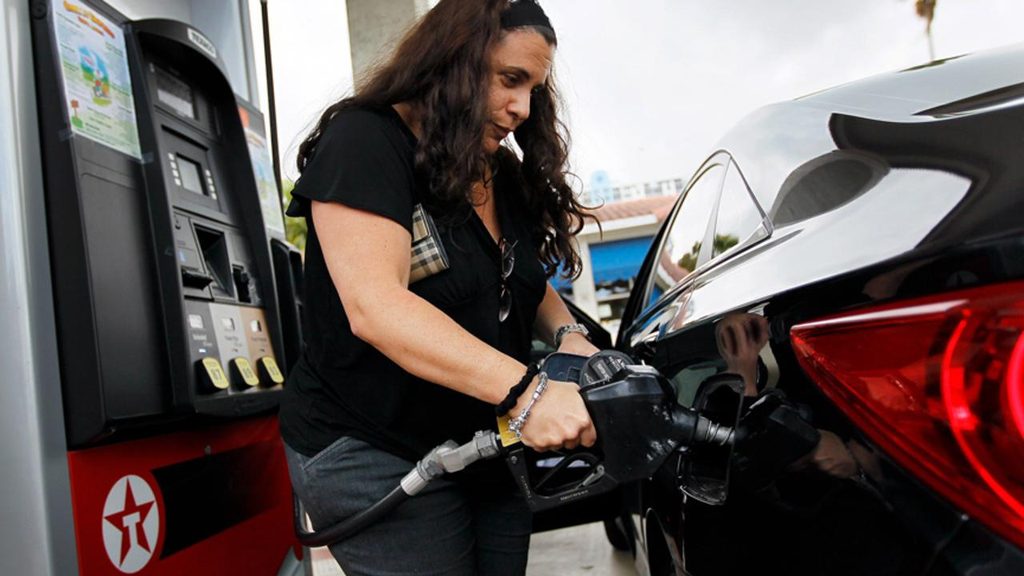
University of Michigan Surveys of Consumers director Joanne Hsu said purchasing power remained central to how people viewed the economy. She also noted that sentiment gains among Republicans and Democrats were offset by declines among independents.
Inflation expectations move higher
Consumers’ expectations for inflation over the next year increased to 4.7%, up from 4.6% in September. Their long-term inflation expectations also rose, reaching 3.5% compared with 3.4% the previous month.
Both measures increased for a second consecutive month and reached their highest levels since May, according to the University of Michigan survey.
Higher expected inflation matters because it can influence household spending, saving and borrowing decisions. If consumers anticipate higher prices, they may bring purchases forward or become more cautious about their finances.

What this means for the economy
Consumer sentiment is an important indicator of how households feel about their finances and economic conditions, but it does not directly measure actual spending or prove that a recession is underway.
The October results show a mixed picture: expectations improved from September, while assessments of current economic conditions weakened. Economists and policymakers will continue to monitor consumer spending, employment and inflation data to understand how household concerns may affect economic activity.

For families, the findings underline the importance of budgeting for essentials, reviewing borrowing costs and preparing for possible changes in everyday expenses.
Source: CNN, October 23, 2026, with economic figures from the University of Michigan’s final October 2026 Surveys of Consumers. This is a rewritten summary, not an official CNN publication.
October 23, 2026 | Economy and Personal Finance