
October 19, 2026 | Business and Consumer News
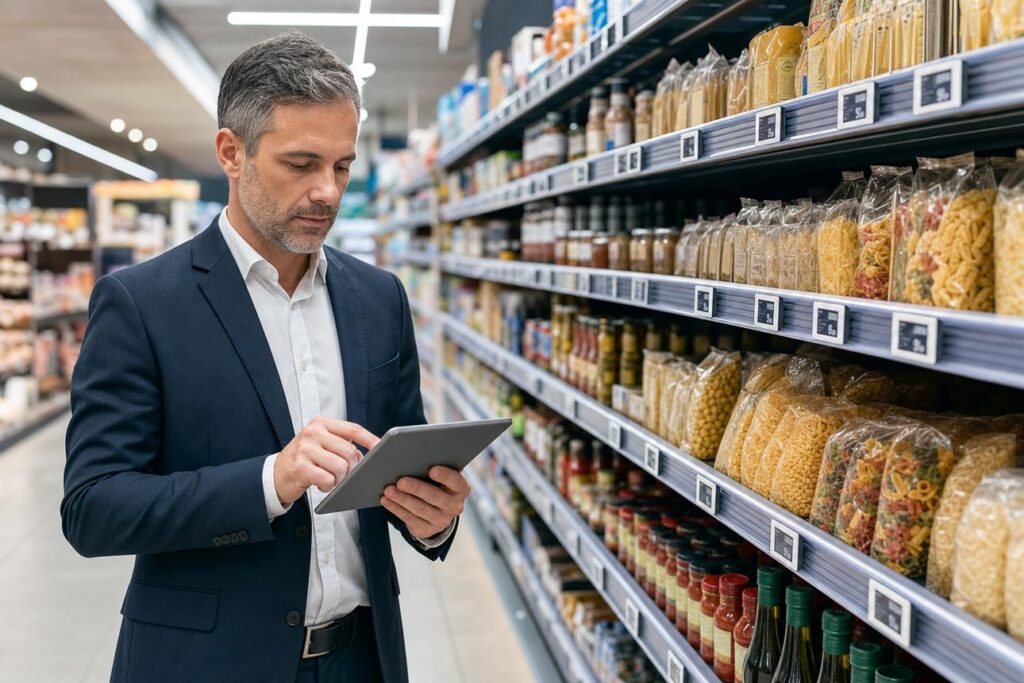
Lawmakers across the United States are taking steps to restrict how companies use consumers’ personal information to determine prices. The practice, known as “surveillance pricing,” has raised concerns that shoppers could pay different amounts for the same product based on their browsing history, location, income or other personal data.
The issue has attracted growing attention as businesses adopt artificial intelligence and digital pricing tools. However, debate continues over how these technologies affect consumers and whether broad restrictions could have unintended consequences.
What is surveillance pricing?
Surveillance pricing generally refers to using personal information to tailor prices or discounts to individual consumers or groups. For example, a retailer might use information about a shopper’s behavior or location to decide which price or promotion to display.
This differs from dynamic pricing, which adjusts prices in response to factors such as supply, demand, season or time. Airlines and ride-hailing services have used dynamic pricing for years, and some businesses use it to offer discounts during quieter periods.

States take different approaches
Colorado lawmakers passed a bill intended to restrict the use of personal data for individualized pricing, but Governor Jared Polis vetoed it in June 2026. He argued that the proposal could prevent consumers from receiving certain lower prices and discounts.
Meanwhile, Maryland, New Jersey and Connecticut have enacted restrictions on certain uses of personal data in pricing. Their laws differ in scope, exceptions and enforcement, with some focusing on grocery purchases and others covering a broader range of retail activity. New York has also introduced disclosure requirements for certain personalized algorithmic prices.
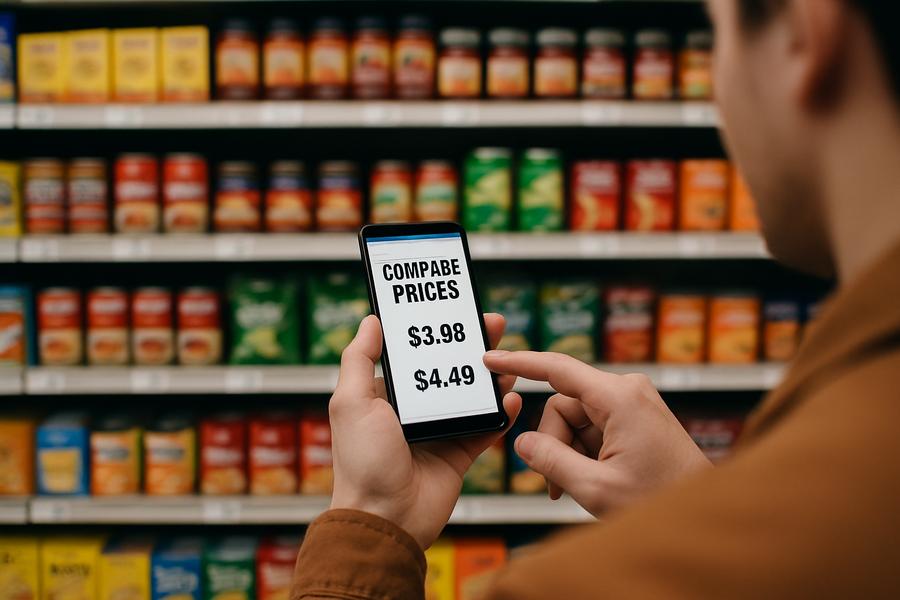
Why retailers and economists disagree
Supporters of restrictions say consumers deserve transparency about how their information is collected and whether it affects the prices they pay. They argue that shoppers should not be disadvantaged by data-driven pricing practices they cannot easily see or challenge.
Some economists and industry experts, however, warn that broadly written bans could prevent businesses from using pricing technology to offer discounts, attract customers during slow periods or reduce food waste.
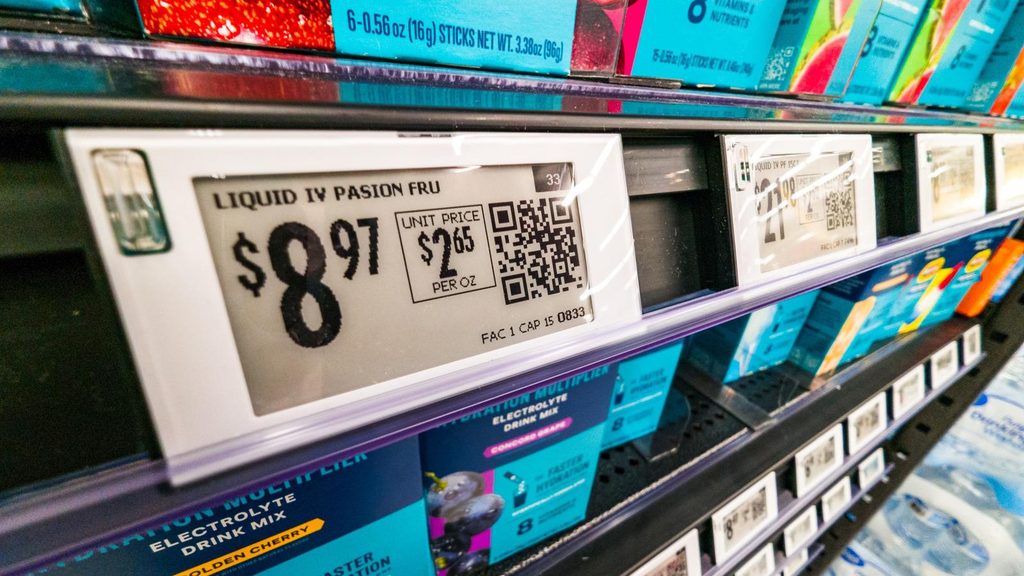
Research cited in CNN’s report found no overall increase in grocery prices following the introduction of electronic shelf labels in the stores studied. Electronic labels make price changes easier, but their presence does not by itself prove that retailers are charging different prices to individual customers.
Walmart has also said its pricing practices do not set different prices according to an individual shopper’s identity or the time of day.

What consumers should know
The debate highlights the importance of understanding how personal data is used in retail. A price difference does not automatically mean a company has used surveillance pricing; promotions, loyalty programs, store locations and operating costs can also explain differences.
As lawmakers continue to examine the issue, the challenge will be to protect consumer privacy and promote transparent pricing while preserving legitimate discounts and other potential benefits.
Source: Nathaniel Meyersohn, CNN Business, October 19, 2026. This is a rewritten summary of CNN’s reporting, not an official CNN publication.
October 19, 2026 | Business and Consumer News