
📅 Date: September 29, 2026
📍 Location: Washington, D.C.
📰 Source: CNN
🏷️ Topic: Trump tariffs, pharmaceutical imports, drug prices and US manufacturing
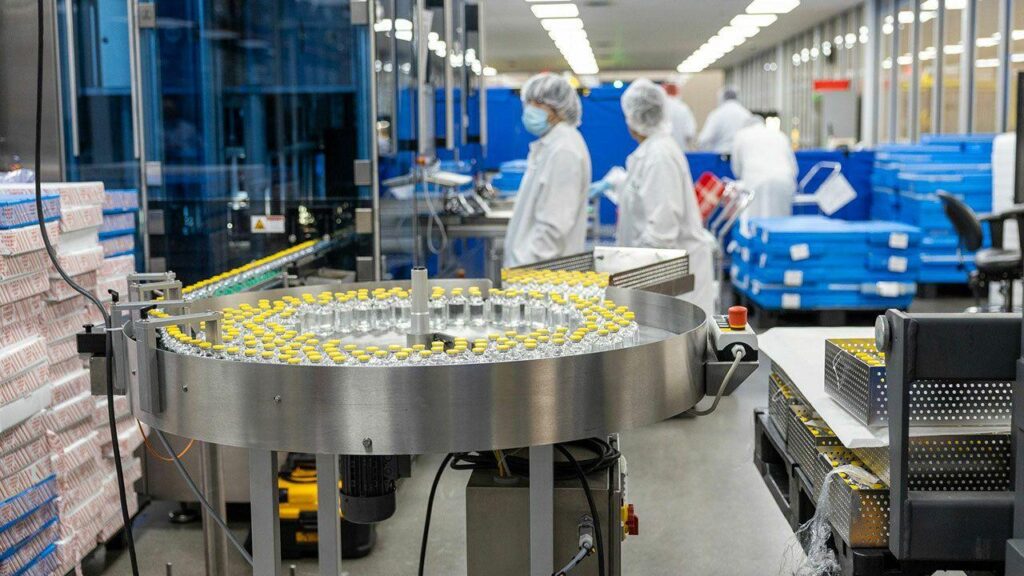
President Donald Trump’s 100% tariff on certain imported patented pharmaceutical products and their ingredients takes effect Tuesday, escalating the administration’s effort to push drug companies toward manufacturing more medicines in the United States.
The tariff does not apply universally to all medicines. Generic drugs are largely outside the current measure, while certain specialty products and medicines from qualifying jurisdictions can receive exemptions or zero-duty treatment under specific conditions.
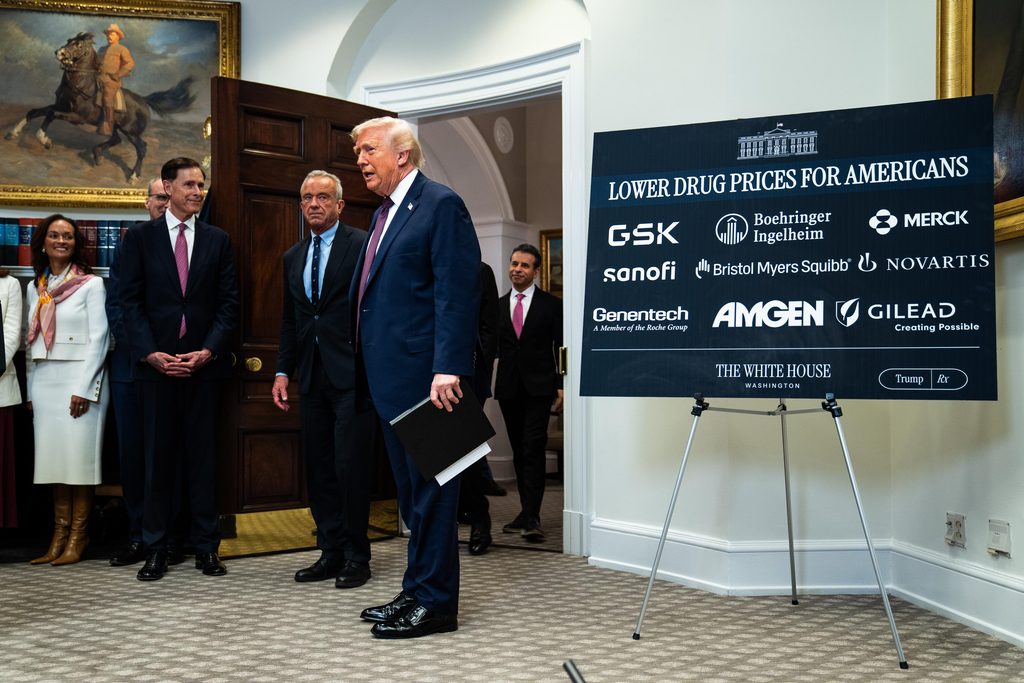
The administration has argued that tariffs can encourage pharmaceutical companies to expand production inside the United States, strengthen domestic supply chains and reduce the country’s reliance on overseas manufacturing. Trump has also sought lower US drug prices through agreements with major pharmaceutical companies.
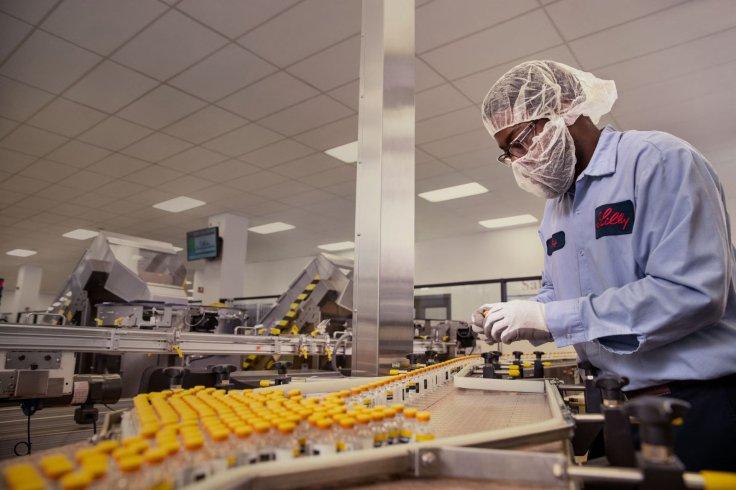
However, economists and pharmaceutical-industry experts cited by CNN have questioned whether the tariff will achieve those goals without creating unintended consequences. The burden could fall particularly heavily on smaller and midsize drug companies, which may have fewer resources to build or expand US manufacturing facilities.
Some experts warn that smaller companies could respond by reducing the number of medicines they produce, merging with larger competitors or leaving certain markets. Such changes could potentially reduce competition and availability of some medications and put upward pressure on prices.
The policy could also affect pharmaceutical innovation. Some researchers argue that smaller biotechnology and pharmaceutical companies play an important role in developing new medicines but may be less capable of absorbing the cost of rapidly shifting production to the United States.
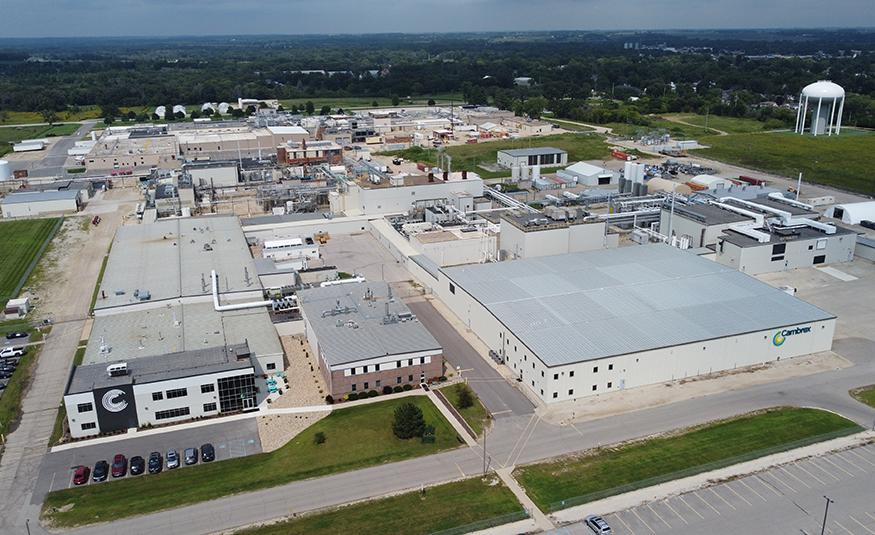
The administration’s broader tariff strategy has already encouraged major drugmakers to announce large US investments. Companies including Eli Lilly, Pfizer, AstraZeneca, Roche, Johnson & Johnson and Novartis have announced plans involving billions of dollars in domestic manufacturing and research.
Trump has also negotiated pricing agreements with major pharmaceutical companies. Under those arrangements, companies can receive tariff relief in exchange for commitments involving lower drug prices and increased US investment. Reuters reported that 17 large drugmakers reached such agreements with the administration.
The new tariffs therefore represent a significant test of Trump’s pharmaceutical strategy: whether higher import costs will accelerate domestic production without reducing competition, limiting medicine availability or increasing costs for patients.
CNN Original Article
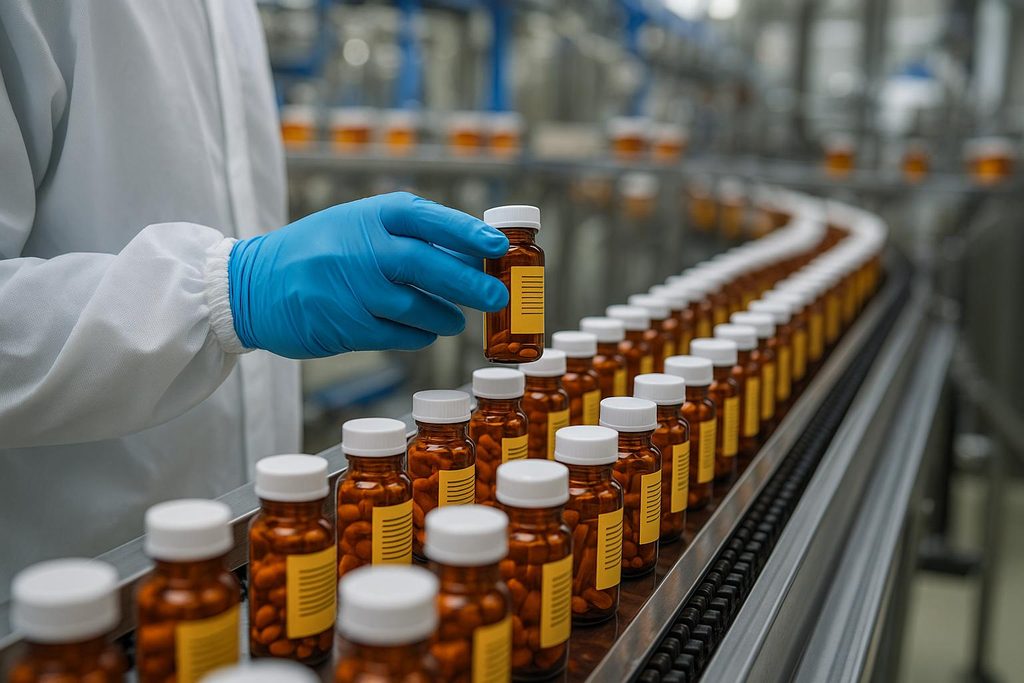
#TrumpTariffs #Pharmaceuticals #DrugPrices #BigPharma #USManufacturing #Healthcare #Economy #TradePolicy #USNews #CNN
📷 Photo note: Images above are related visual references and may not be CNN’s original photographs. Verify copyright, licensing and photo-credit requirements before publication.
📅 Date: September 29, 2026
📍 Location: Washington, D.C.
📰 Source: CNN
🏷️ Topic: Trump tariffs, pharmaceutical imports, drug prices and US manufacturing