

Publication date: October 17, 2026
Source: CNN Business — Jeanne Sahadi
Original article: https://edition.cnn.com/2026/10/17/business/savings-challenge-457b-vs-roth-compounding-tip
Understanding the Difference Between a Roth IRA and a 457(b)

Choosing the right retirement savings account can make a meaningful difference to long-term financial security. In a CNN Savings Challenge report, financial planner Douglas Boneparth explains the key differences between a Roth IRA and a 457(b) retirement plan.
A 457(b) is an employer-sponsored retirement plan commonly available to employees of state and local governments and certain tax-exempt organizations. Traditional 457(b) contributions generally reduce taxable income today, while withdrawals are generally taxed as income.
A Roth IRA works differently. Contributions are made with money that has already been taxed, but qualified withdrawals—including investment growth—can be tax-free in retirement.
Which Account Should You Prioritize?
According to the expert advice reported by CNN, savers should first consider whether their employer offers a matching contribution to a 457(b). If a match is available, taking advantage of it can be an important first step.
If someone must choose between the two accounts, Boneparth favors the Roth IRA for its potential to provide tax-free income in retirement. Roth withdrawals also generally do not count toward the income thresholds used to determine how much of Social Security benefits may be taxable.
However, the best choice depends on individual circumstances, including current and expected future tax rates, eligibility, employer benefits, and retirement plans. A governmental 457(b) may also offer useful early-access flexibility after leaving an employer.

Small Savings Can Grow Over Time
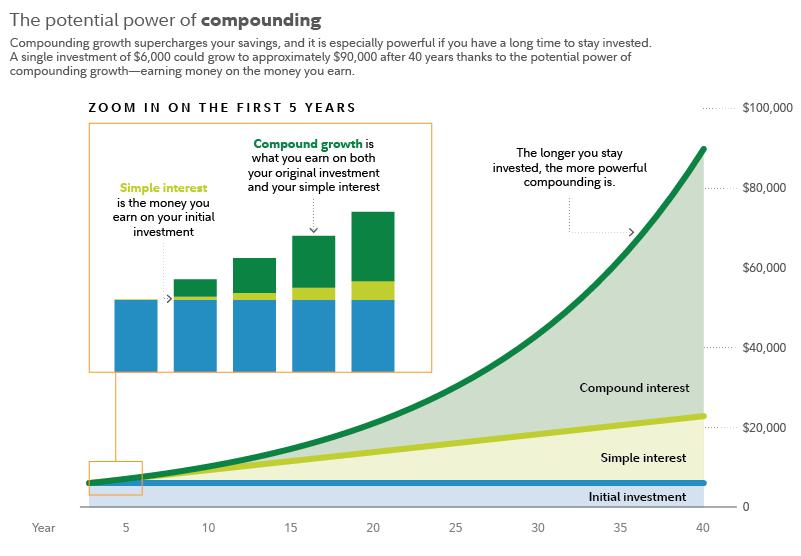
CNN’s report also highlights the power of compound growth. Using an assumed average annual return of 7%, it says investing $200 per month from age 25 through age 65 could grow to approximately $512,000 before considering taxes and fees, depending on the contribution and return assumptions.
The key lesson is that starting early and contributing consistently can help savings grow over decades. Actual investment returns are not guaranteed, and investments can lose value.
Final Thoughts
There is no single retirement account that is best for everyone. Comparing employer benefits, tax treatment, withdrawal rules, and long-term goals can help savers make a more informed decision. Anyone unsure which option fits their situation should consider consulting a qualified financial or tax professional.
This article is for general educational purposes and is not individualized financial advice.
Publication date: October 17, 2026
Source: CNN Business — Jeanne Sahadi
Original article: https://edition.cnn.com/2026/10/17/business/savings-challenge-457b-vs-roth-compounding-tip