
Publication date: October 18, 2026
Topic: U.S. politics, social connection and political polarization
Source: CNN
Original article: https://edition.cnn.com/2026/10/18/us/payphones-democrats-republicans-chats
An Unusual Way to Bridge America’s Political Divide
In a country where political disagreements often dominate public debate, an unusual project tried something simple: encouraging strangers to talk.
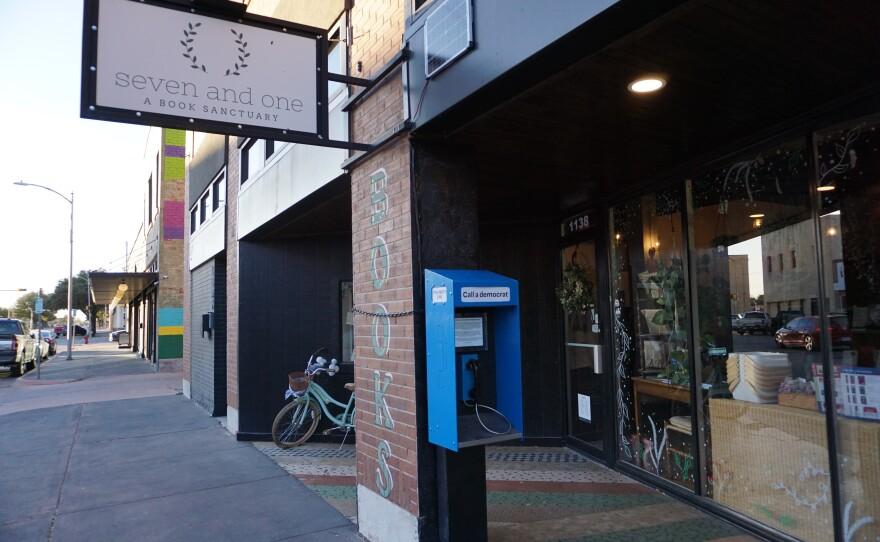
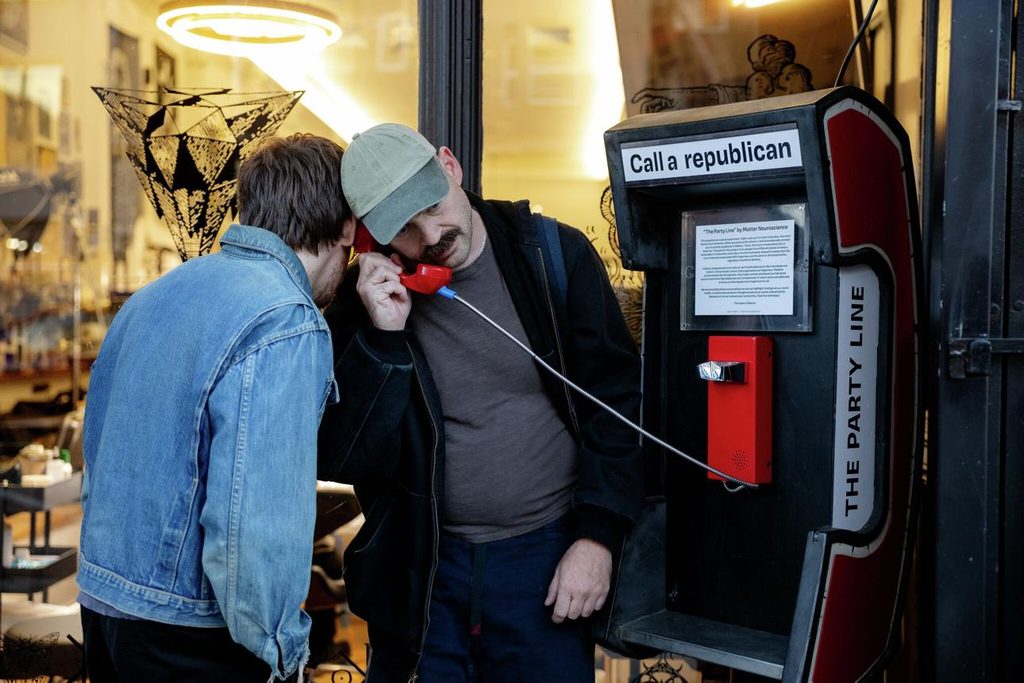
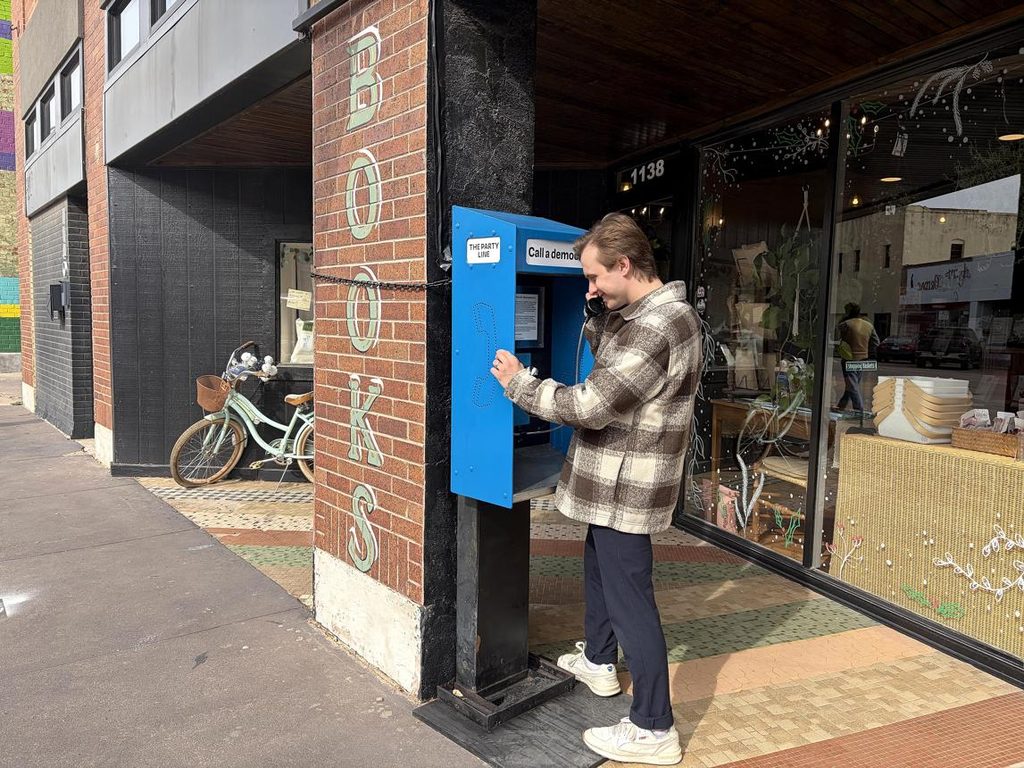
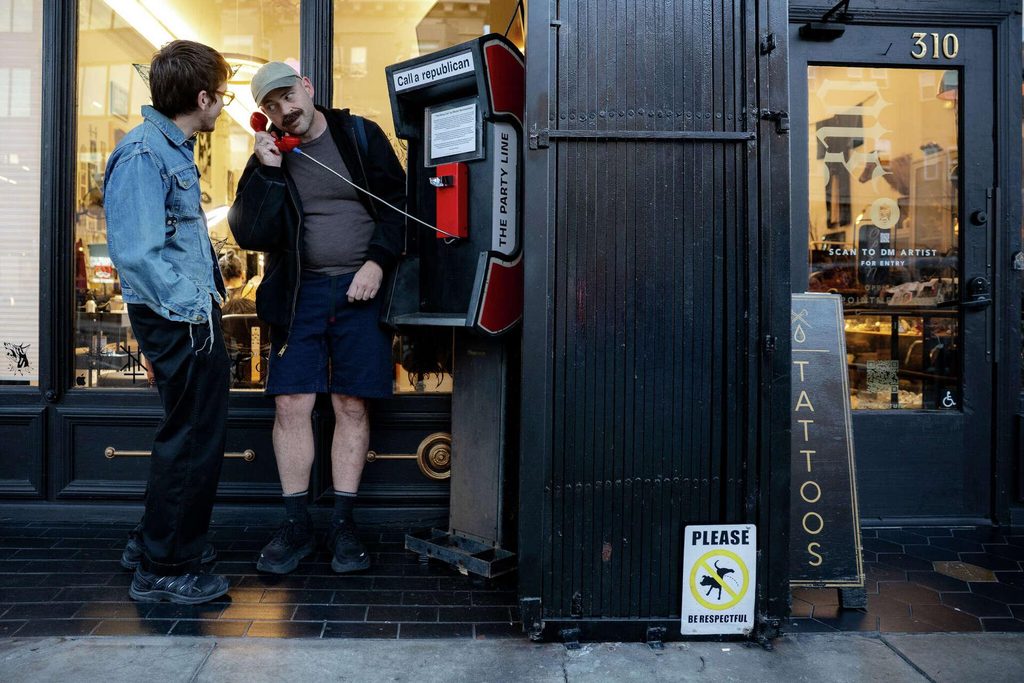
The Party Line, an initiative developed by Matter Neuroscience, connected two public payphones—one in San Francisco, California, and the other in Abilene, Texas. The phones were designed so that picking up one would make the other ring, giving a stranger on the opposite end a chance to answer.
San Francisco and Abilene were selected because their communities have different political leanings. Organizers hoped the calls would help participants discover common ground beyond the labels of Democrat and Republican.
What Happened When People Picked Up?
The conversations covered more than politics. Callers discussed their families, work, hobbies, hometowns and personal experiences. Some found unexpected similarities with people they might never otherwise have met.
One participant spoke about the difficulty of maintaining a relationship with a relative whose political views differed from their own. Other conversations highlighted how people’s identities and beliefs can be more complicated than political stereotypes suggest.
Not every call led to a deep discussion, and sometimes nobody answered. But the project created opportunities for people to listen to one another without the usual pressure of online political debate.
What Did the Experiment Reveal?
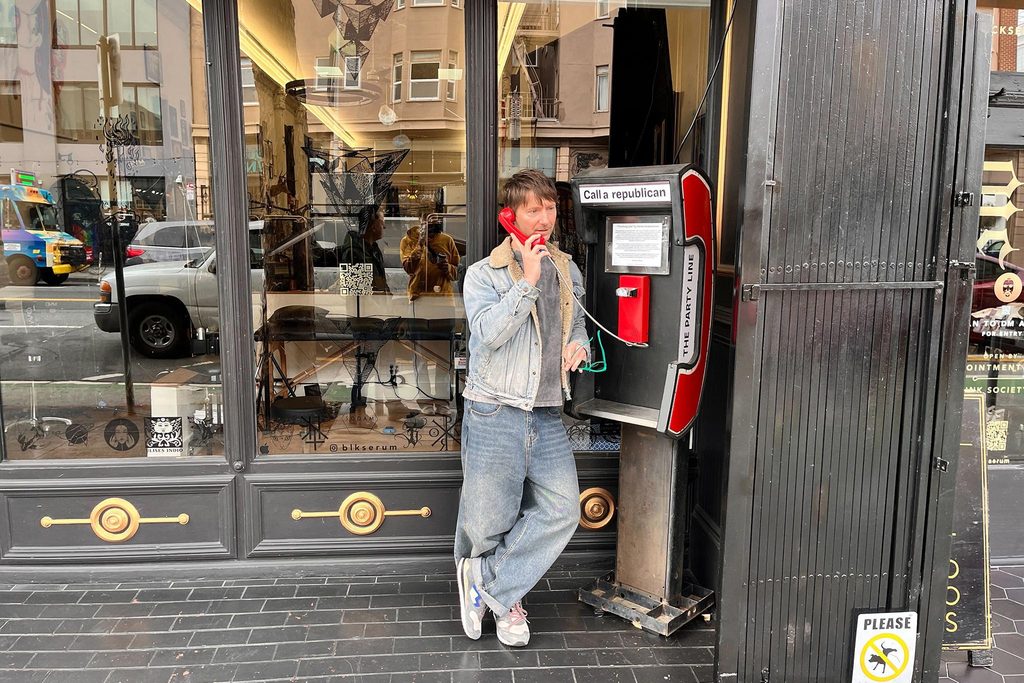
The project’s organizers said they were encouraged by the conversations and the positive interactions they heard. Reports on the initiative described hundreds of calls, many involving friendly exchanges, agreement or laughter.
Those figures and interpretations come from the organizers’ own account of the project and should not be treated as conclusive scientific proof that political polarization has declined.
The experiment was limited in scale, and researchers would need more systematic evidence to determine whether conversations like these lead to lasting changes in people’s attitudes.
Could the Idea Be Used Elsewhere?
Matter Neuroscience has considered other ways to use the concept, including connecting younger people with older adults and bringing people from different communities together.
The underlying idea is that direct human interaction can help people see beyond broad categories and understand experiences different from their own.
The project does not eliminate political disagreements. Instead, it offers a small example of how people can disagree while remaining respectful and curious about one another.
A Reminder That Conversation Still Matters
The Party Line experiment suggests that meaningful communication does not always require sophisticated technology or a formal political debate. Sometimes it begins with a simple question from a stranger.
Whether projects like this can make a measurable difference to political division remains uncertain. But the conversations offer a reminder that people’s lives are more complex than their political labels.
Read the original CNN article: https://edition.cnn.com/2026/10/18/us/payphones-democrats-republicans-chats
This article is an adapted summary of reporting about The Party Line project. Statements about the project’s results are attributed to its organizers and are not independent proof of a nationwide change in political attitudes.
Publication date: October 18, 2026
Topic: U.S. politics, social connection and political polarization
Source: CNN
Original article: https://edition.cnn.com/2026/10/18/us/payphones-democrats-republicans-chats