Date: October 4, 2026
Source: CNN
Topic: Cornell University / Jane Doe / Sexual Assault Investigation / Trauma
As scrutiny intensifies over the handling of a former Cornell University student’s sexual assault allegations, experts say the way she described and processed the experience in the weeks afterward may reflect common trauma responses among sexual assault survivors.
The woman, identified in court documents as Jane Doe, has alleged that she was drugged and sexually assaulted by members of the Chi Phi fraternity at Cornell in October 2024. The allegations have not been proven in criminal court, and several of the men accused in the civil lawsuit have denied wrongdoing.
A Complex Response to Trauma
CNN’s report examined how survivors can experience denial, shame, guilt and self-blame after an alleged sexual assault.
In Doe’s case, records from Cornell’s Title IX investigation indicate that her understanding of what happened developed over the weeks following the alleged incident. Her attorney, Thomas Giuffra, described that progression as a response to trauma.
Experts told CNN that survivors do not always immediately identify or describe an experience as sexual assault. Reactions can vary significantly from person to person, and feelings of confusion or self-blame can occur after traumatic events.
Questions About the Cornell Investigation
The renewed attention has also focused on what happened after Doe reported the incident to Cornell police.
CNN previously reported that university police had information and investigative material that raised questions about whether all relevant evidence was ultimately provided to prosecutors. A six-page document used by the local district attorney reportedly did not contain some of the details from Doe’s longer interview.
Separately, documents reviewed by CNN showed that Cornell police drafted letters seeking preservation of phone records from wireless carriers. Questions remain about whether those requests were ultimately sent and what evidence was available to prosecutors when the original decision not to bring charges was made.
Investigation Reopened
The controversy has led to a major change in the case.
New York Gov. Kathy Hochul appointed Attorney General Letitia James as special prosecutor to oversee the criminal investigation. James’ office is now examining the allegations and the available evidence.
Cornell has also agreed to an independent review of how the university handled the case. President Michael Kotlikoff has publicly acknowledged the seriousness of the allegations and said the university needs to examine its response.
Broader Debate Over Sexual Assault
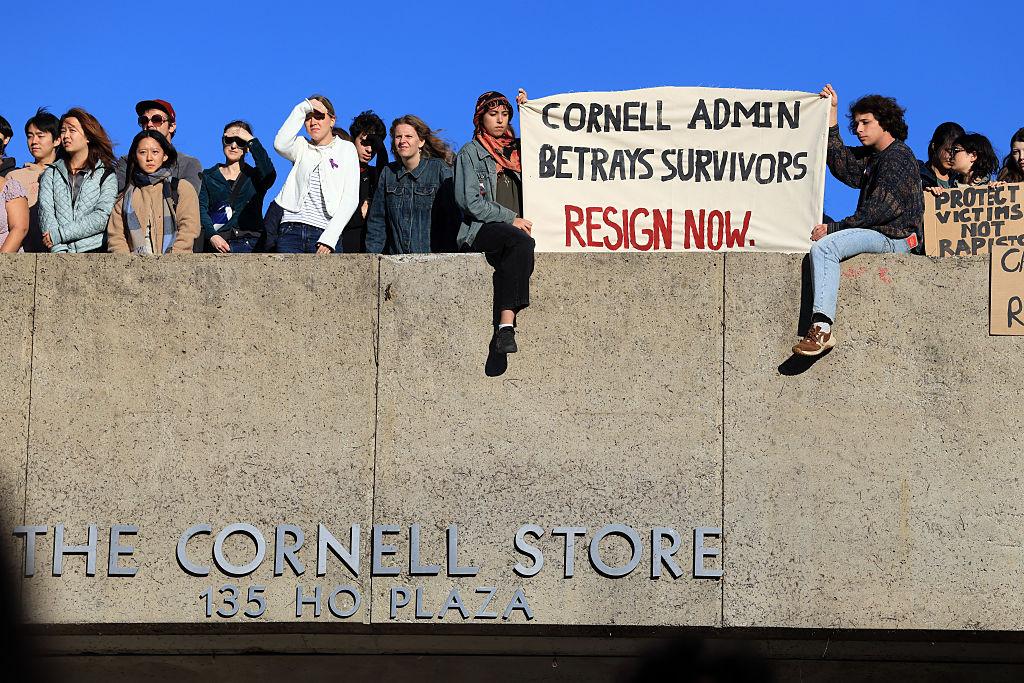
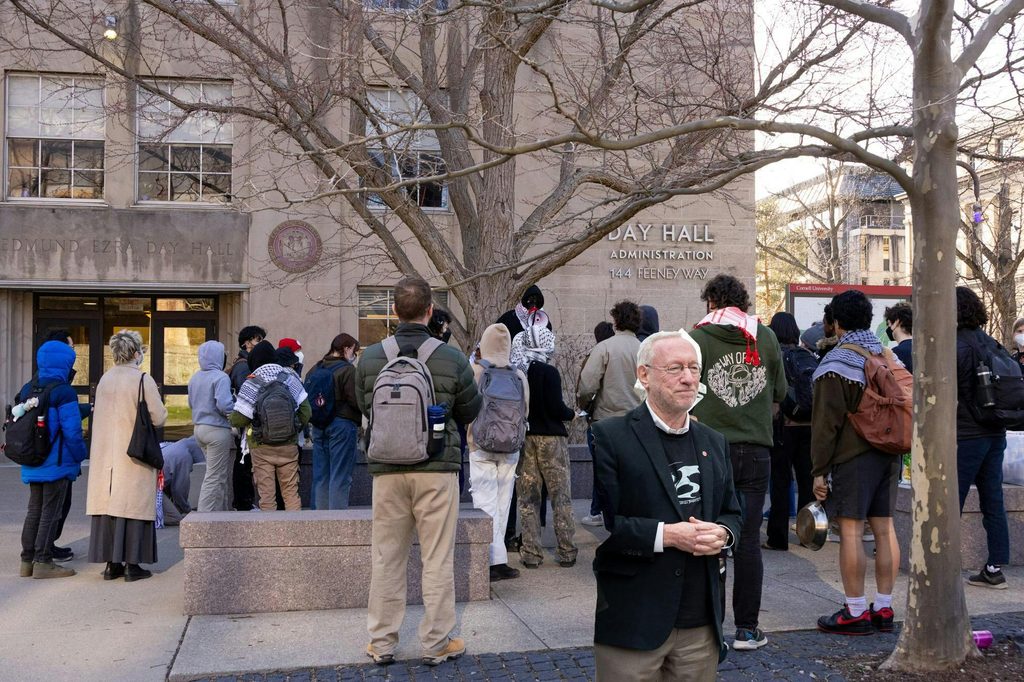
The case has sparked demonstrations in and around Cornell, with students and community members demanding accountability and stronger protections for survivors.
The debate has also expanded beyond Cornell, raising broader questions about how universities, campus police and prosecutors respond when students report sexual assault.
Experts emphasized that there is no single way for a survivor to react to trauma. A delayed report or uncertainty immediately after an incident does not, by itself, establish whether an allegation is true or false.
What Happens Next
The criminal investigation led by James and Cornell’s independent review could provide further answers about what happened in 2024, what evidence was collected and how authorities handled it.

For now, the allegations remain the subject of ongoing investigations and civil litigation. No criminal charges have been announced against the men accused in Doe’s lawsuit.
Source: CNN
Original CNN Article: Read the original CNN report
Hashtags:
#CornellUniversity #JaneDoe #USNews #Cornell #SexualAssault #CollegeNews #NewYork #BreakingNews #CNN
Date: October 4, 2026
Source: CNN
Topic: Cornell University / Jane Doe / Sexual Assault Investigation / Trauma