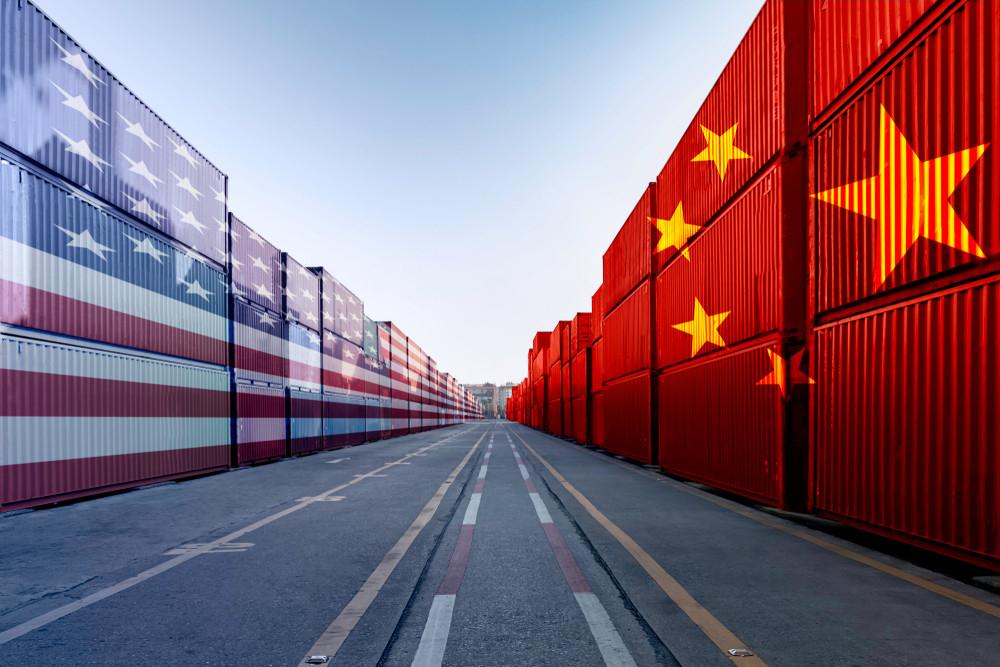

📅 Date: September 30, 2026
🕐 Published: 2:00 AM ET
📍 Location: Washington, D.C.
📰 Source: CNN
🏷️ Topic: Trump tariffs, trade law and federal court challenge
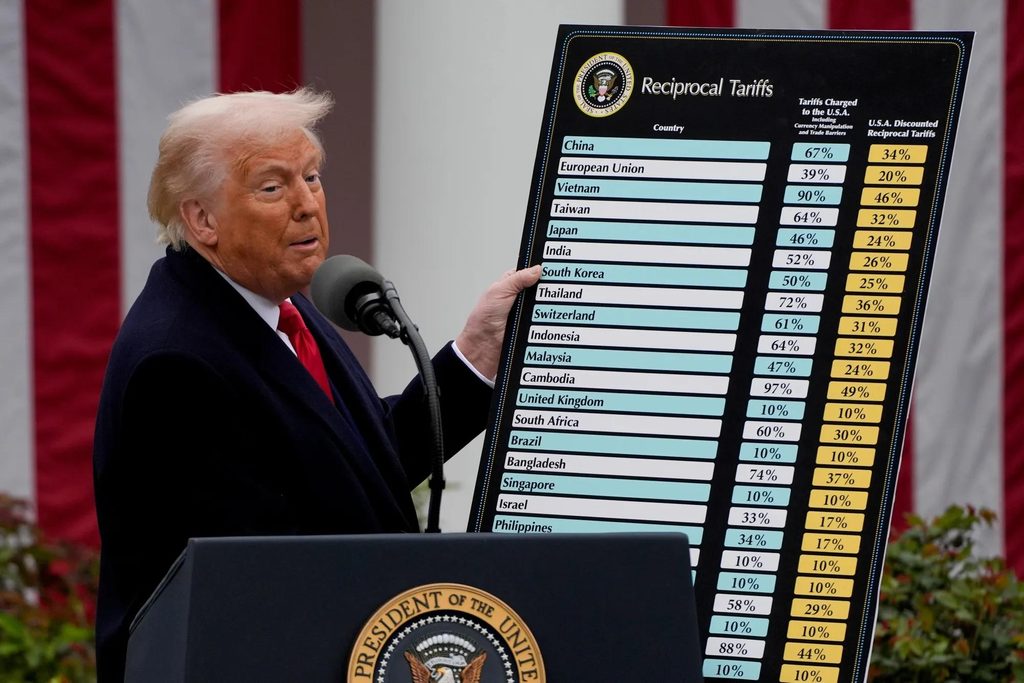
President Donald Trump’s sweeping tariff strategy is facing another major legal challenge as a federal trade court examines whether his administration can use a 1970s trade law to impose tariffs on a broad range of imports.
A three-judge panel at the US Court of International Trade is scheduled to hear arguments Wednesday in a case challenging tariffs imposed on goods from dozens of countries. The dispute could determine whether the administration properly used Section 301 of the Trade Act of 1974 to impose the new duties.
Since late July, goods from about 80 countries, including China, India and Japan, have faced tariff rates ranging from 10% to 12.5% under the administration’s new policy. The tariffs were introduced after the administration said the affected countries had failed to adequately address forced labor associated with goods entering the United States.
The latest tariffs followed a separate legal battle over Trump’s earlier emergency-based tariffs. In February, the Supreme Court ruled that the president had exceeded his authority when using emergency powers to impose broad tariffs. The decision resulted in the invalidation of those duties and eventually triggered about $168 billion in refunds for importers, according to CNN.
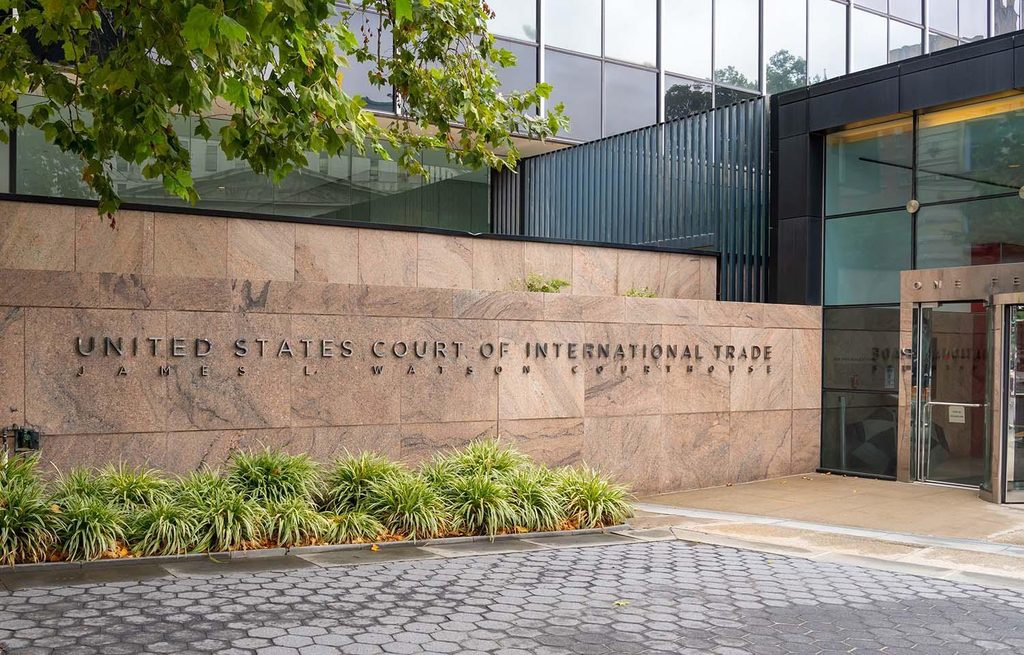
The administration then turned to other provisions of US trade law. The new Section 301 tariffs were introduced after a separate 10% near-universal tariff imposed under Section 122 expired. The administration has argued that the new measures are legally authorized and were designed to address trade-related concerns involving forced labor.
The Liberty Justice Center, which successfully challenged Trump’s earlier emergency tariffs at the Supreme Court, is leading the latest legal challenge. The organization argues that the administration is improperly using Section 301 to recreate a broad global tariff system that courts had already rejected under a different legal authority.
Three former senior US trade lawyers — Alan Wolff, Carla Hills and Warren Maruyama — have also filed a brief supporting the challenge. They argue that the administration’s forced-labor rationale does not satisfy the requirements of Section 301 and that the necessary investigations were inadequate. These are arguments made by the challengers and remain contested in court.
The administration has defended the tariffs, saying the United States has legal tools available to pursue its trade-policy objectives. Officials have also argued that the timing of the new duties was intended to avoid overlapping them with the previous tariff structure.
The Court of International Trade’s arguments Wednesday may provide clues about how the judges view the administration’s legal theory, but a ruling is not expected immediately. The court could take weeks or months to issue a decision.
Whichever side loses could appeal to the US Court of Appeals for the Federal Circuit, and the dispute could ultimately return to the Supreme Court. That means the legal uncertainty surrounding Trump’s tariffs could continue for months.
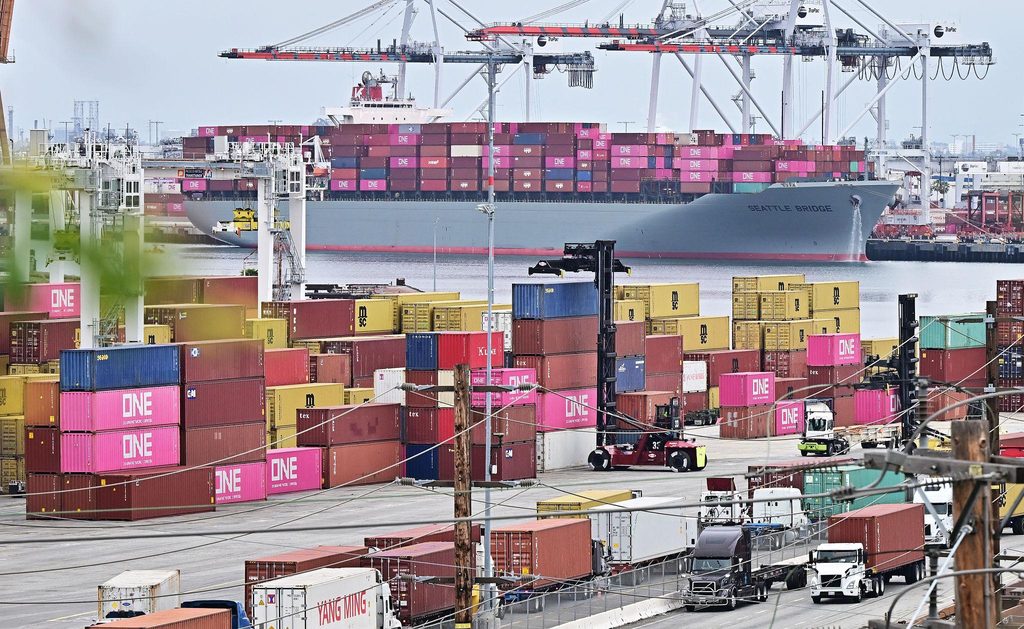
Meanwhile, the administration is pursuing additional trade actions through other legal authorities, meaning the outcome of this case could become one part of a much larger and continuing battle over the president’s tariff powers.
CNN Original Article
#TrumpTariffs #DonaldTrump #Tariffs #USCourtOfInternationalTrade #TradeWar #USChinaTrade #TradePolicy #USEconomy #EconomyNews #USNews #CNN
📷 Photo note: Images above are related visual references and may not be CNN’s original photographs. Verify copyright, licensing and photo-credit requirements before publication.
📅 Date: September 30, 2026
🕐 Published: 2:00 AM ET
📍 Location: Washington, D.C.
📰 Source: CNN
🏷️ Topic: Trump tariffs, trade law and federal court challenge