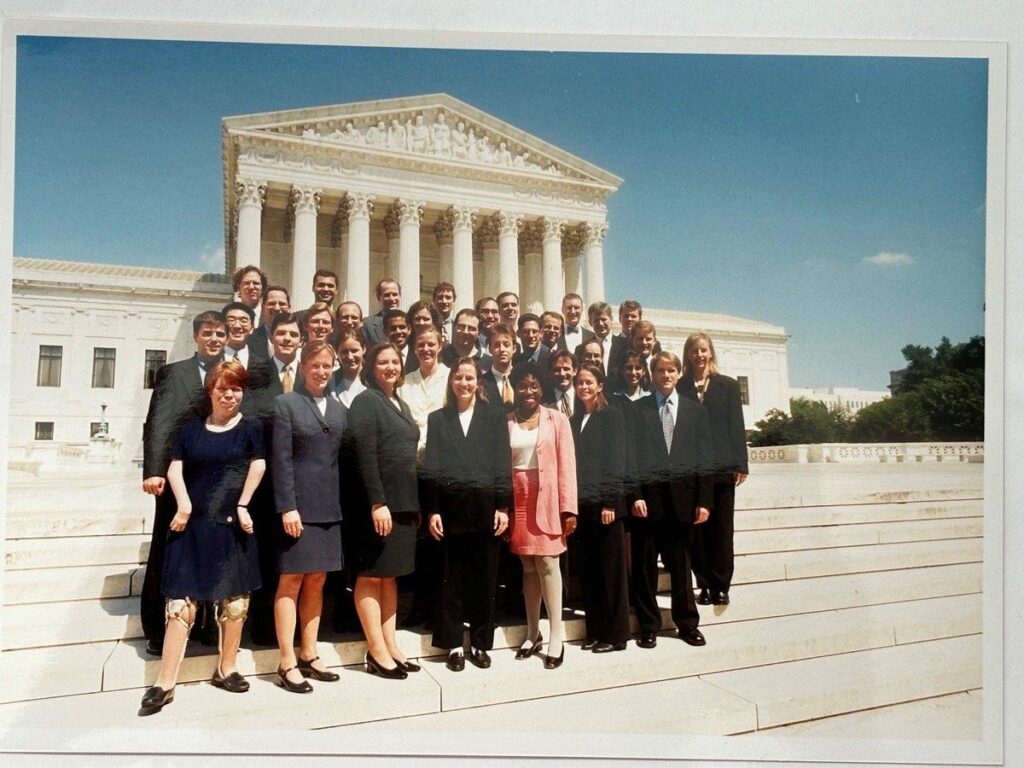

⚖️ Inside the Pipeline Shaping Trump’s Conservative Legacy on the Federal Bench
📅 Date: September 14, 2026
📰 Source: CNN
✍️ By: Joan Biskupic, CNN Chief Supreme Court Analyst
📌 Topic: Supreme Court clerks, judicial appointments & polarization
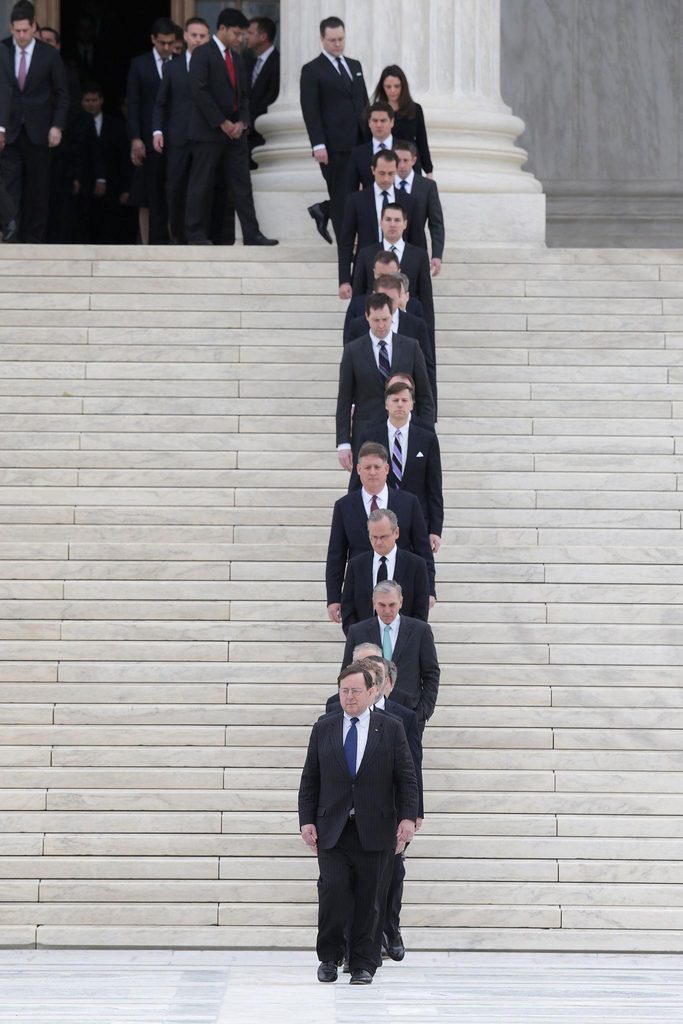
Experience as a U.S. Supreme Court law clerk has long been considered one of the most prestigious credentials in American law. But a new CNN analysis finds that the position is increasingly becoming a pathway to federal judgeships, potentially allowing the ideological influence of current justices to extend well beyond their own time on the Supreme Court.
The coveted clerkships have increasingly become an important part of the conservative legal pipeline. Former clerks have gone on to work on issues involving presidential power, gun rights, abortion restrictions and voting rights — sometimes as advocates and increasingly as judges who can shape the law for decades.
President Donald Trump has relied heavily on former Supreme Court clerks when selecting judges. CNN reports that during Trump’s first term, all three of his Supreme Court nominees had previously clerked for Supreme Court justices. About 60% of his appellate judicial appointees during his second term have also been former clerks.
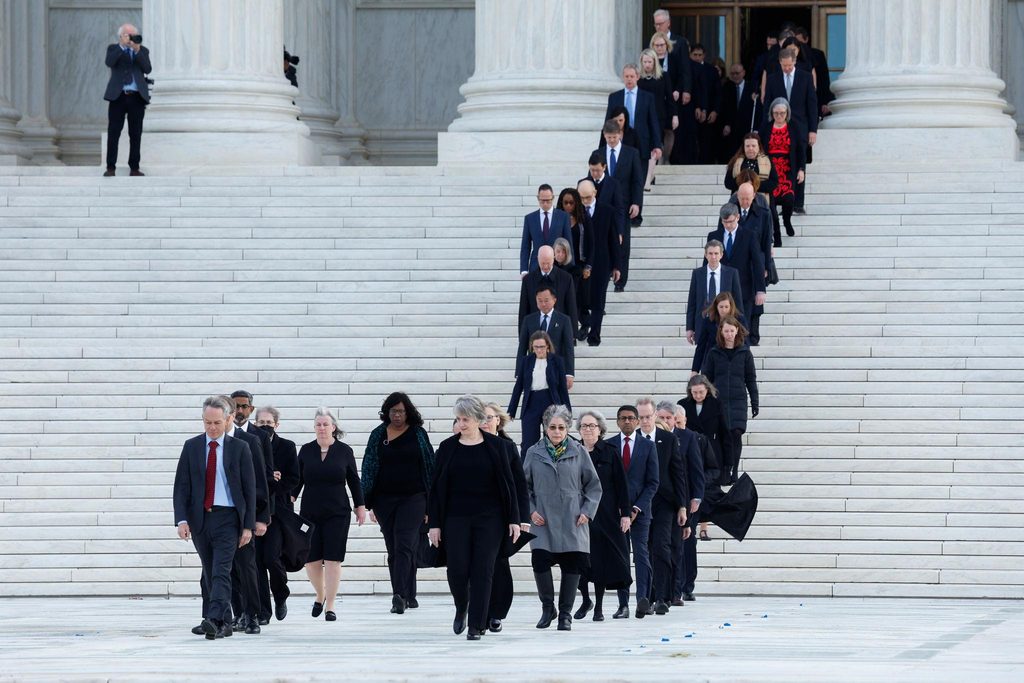
Among those appointed are Benjamin Flowers, who clerked for Justice Antonin Scalia; Whitney Hermandorfer, who clerked for Justices Samuel Alito and Amy Coney Barrett; and Jennifer Mascott, who clerked for Justice Clarence Thomas. Their careers illustrate how Supreme Court clerkships can connect young lawyers to powerful networks within the federal judiciary.
The pipeline is also becoming increasingly selective. Each of the nine Supreme Court justices hires four law clerks per term, creating only 36 positions each year. Those clerks help screen appeals, prepare legal research and assist justices with opinions and other major decisions.
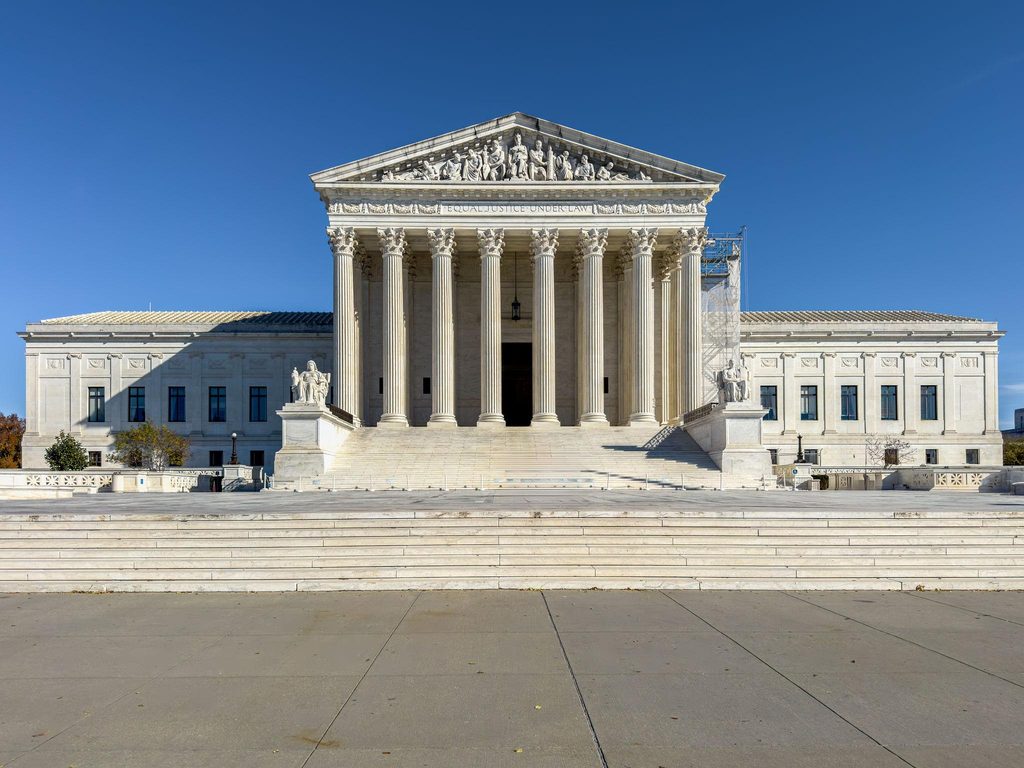
Legal scholars interviewed by CNN say the system risks becoming a “closed loop,” in which justices and influential appellate judges repeatedly select lawyers from similar ideological and professional networks. Stanford law professor Michael McConnell said the increasing polarization has made it particularly difficult for moderate law students to find a place in the system.
The trend has also been connected to the long-term influence of the Federalist Society, a conservative legal organization that has helped develop networks of conservative lawyers and judicial candidates. Leonard Leo, a former Federalist Society executive, told CNN that the organization’s decades-long effort to develop conservative legal talent is now producing results.
The broader concern is that Supreme Court clerkships are no longer simply prestigious one-year positions. They can serve as stepping stones into lifetime judicial positions, potentially allowing the ideological divisions of today’s Supreme Court to influence the federal judiciary for generations.
Hashtags
#SupremeCourt #USPolitics #DonaldTrump #Judiciary #LawClerks #JudicialPolarization #FederalJudiciary #TrumpAdministration #CNN #BreakingNews #USNews
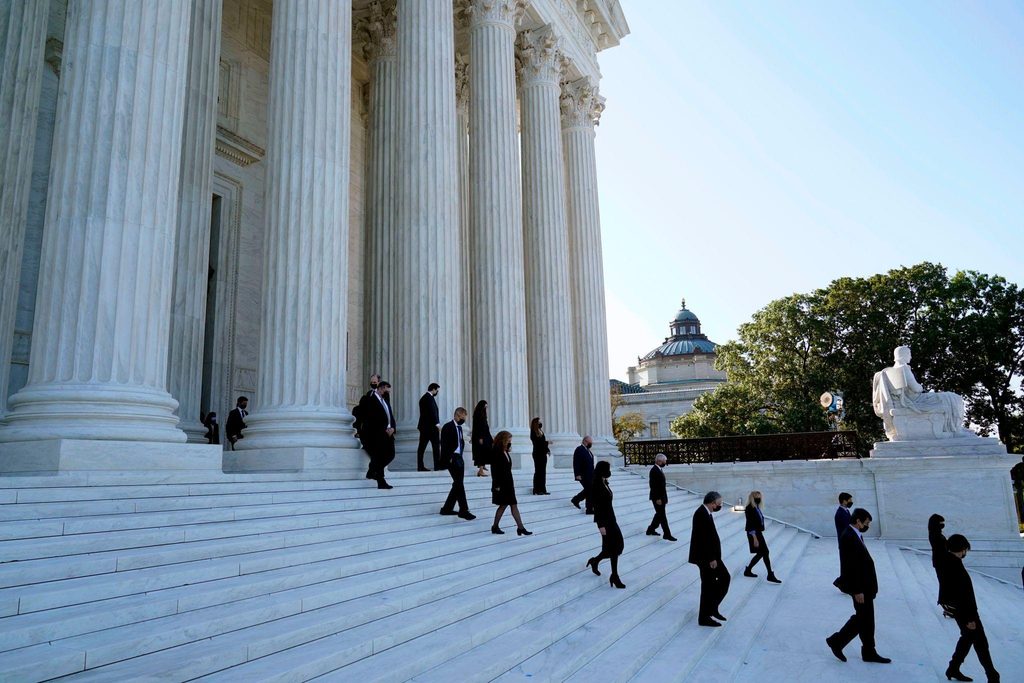
📷 Photo note: The images above are related editorial images of the U.S. Supreme Court and judicial clerks for illustration. They are not being represented as the exact CNN article photographs. Verify licensing and photo credit before publication.
📅 Date: September 14, 2026
📰 Source: CNN
✍️ By: Joan Biskupic, CNN Chief Supreme Court Analyst
📌 Topic: Supreme Court clerks, judicial appointments & polarization