
📅 Date: September 13, 2026
📰 Source: CNN
✍️ By: Eric Levenson, CNN
📌 Topic: Lindsay Clancy trial, insanity defense & mistrial
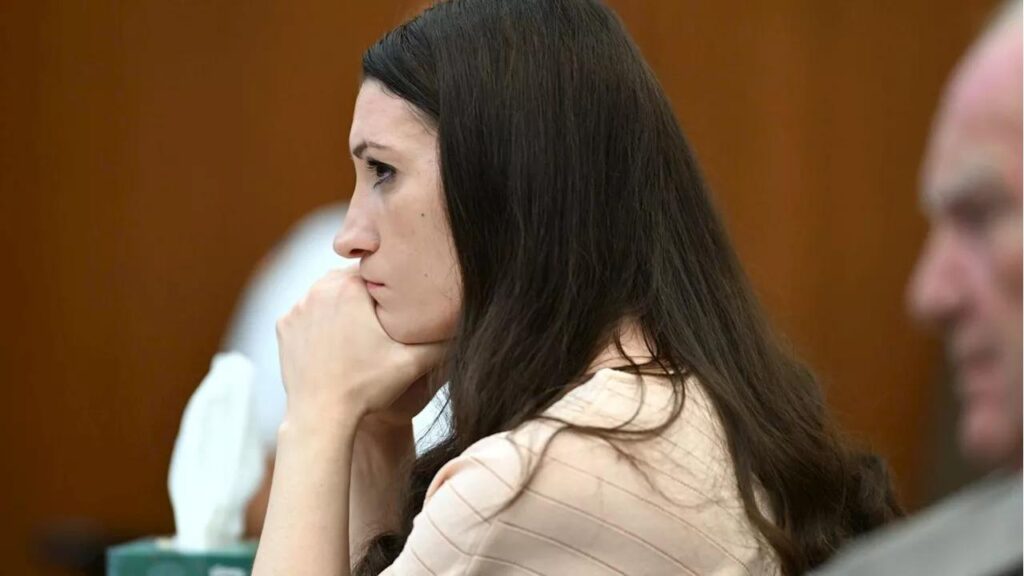
The high-profile murder trial of Lindsay Clancy has brought renewed attention to one of the most controversial defenses in American criminal law: the insanity defense. A lone holdout juror prevented the Massachusetts jury from reaching a unanimous verdict after most jurors supported finding Clancy not criminally responsible because of severe mental illness.
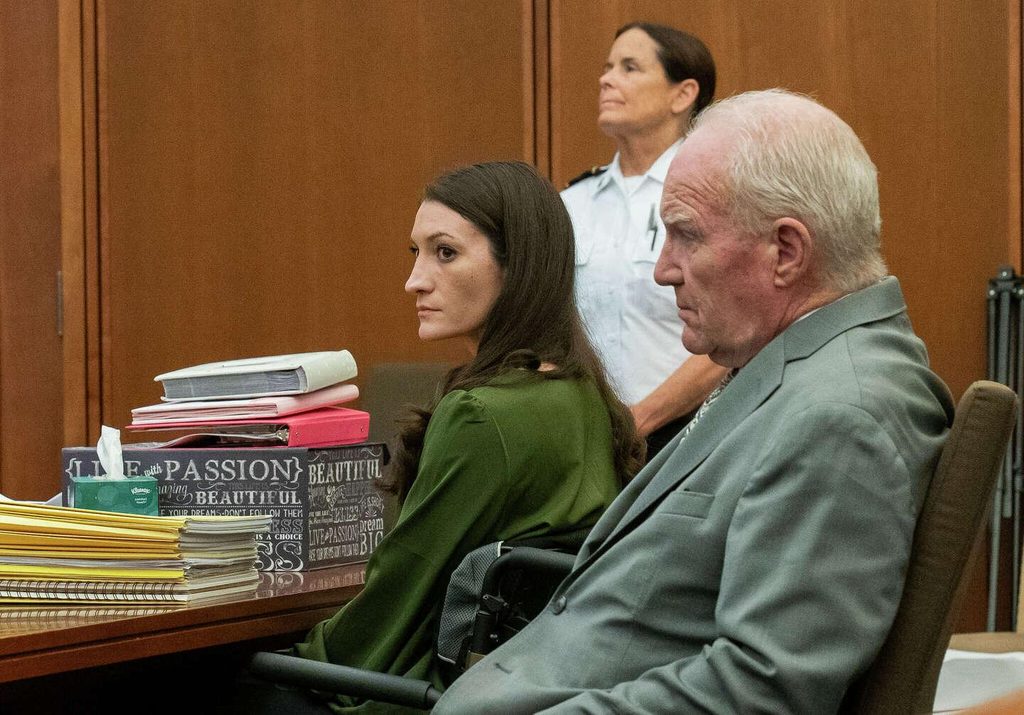
Clancy, a former labor and delivery nurse, admitted that she fatally strangled her three young children — Cora, 5; Dawson, 3; and Callan, 8 months — at their Duxbury, Massachusetts, home in January 2023. Her defense argued that she was suffering from postpartum psychosis and therefore should not be held criminally responsible for her actions.
The jury ultimately split 11-1. Eleven jurors favored a verdict of not guilty by lack of criminal responsibility, while one juror refused to agree. After several notes from the jury indicating that they could not reach a unanimous decision, Judge William Sullivan declared a mistrial.
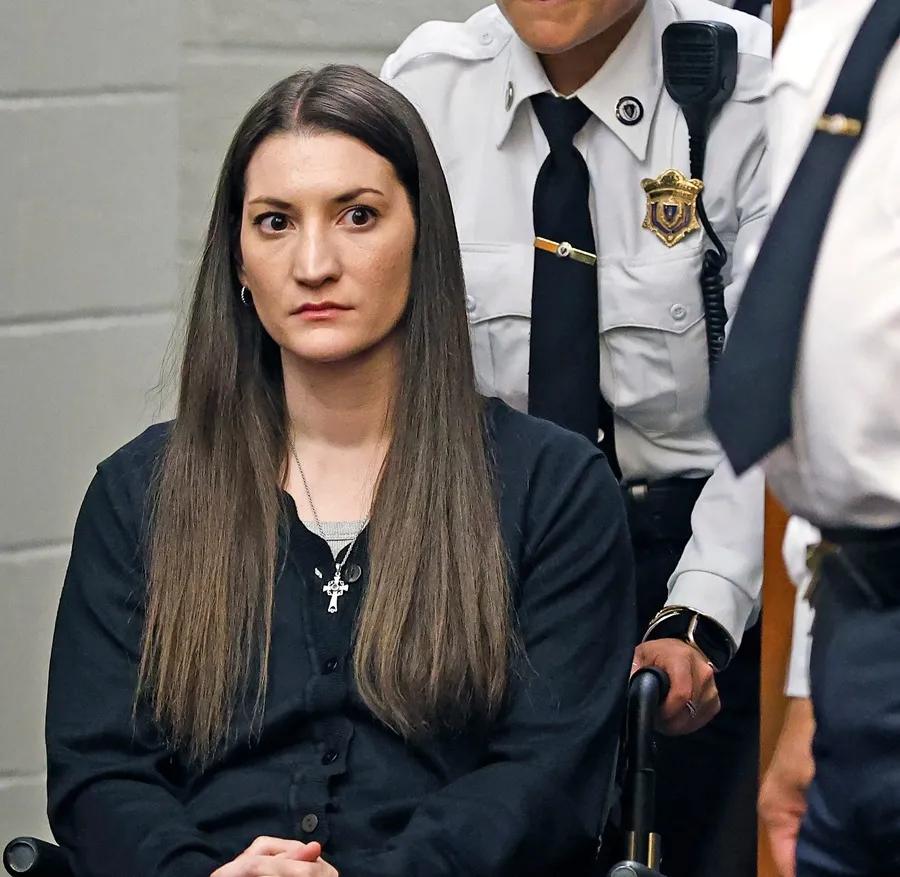
According to other jurors, the holdout acknowledged having doubts about the prosecution’s case but remained focused on the fact that Clancy had killed her children. The juror reportedly struggled to accept that mental illness could remove criminal responsibility for such a horrific act.
Psychologists and legal experts told CNN that this reaction reflects a broader public skepticism toward insanity defenses. While mental-health understanding has improved, many people still view an insanity plea as an attempt to escape punishment rather than as a legal question about a defendant’s mental state at the time of a crime.
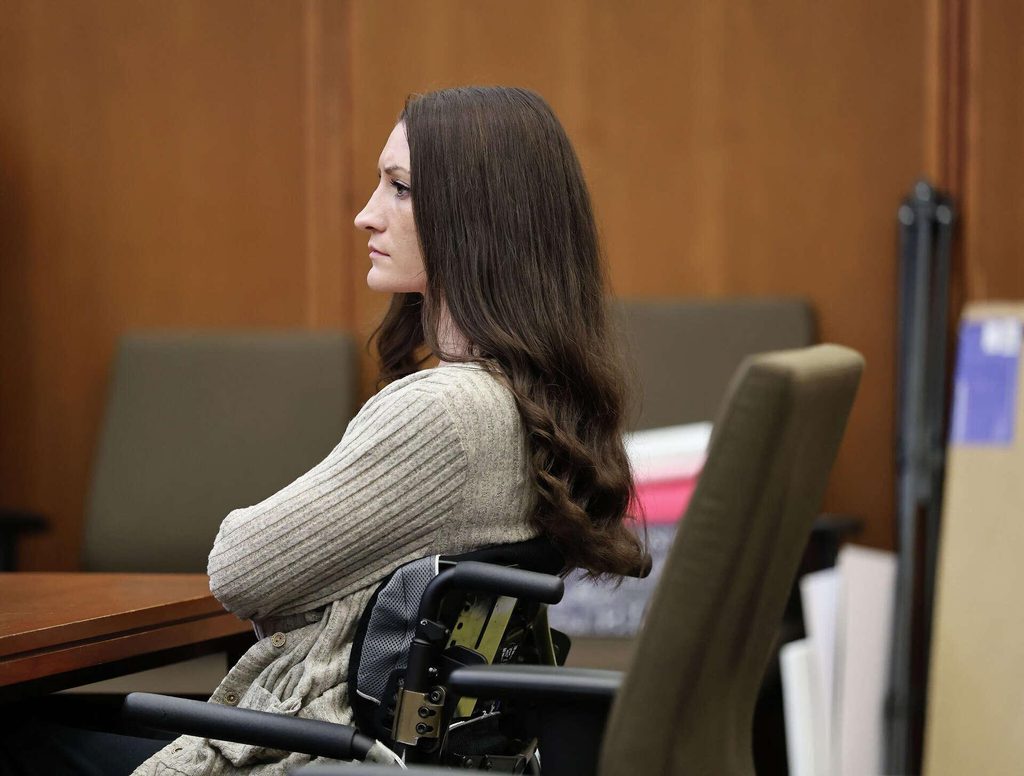
Massachusetts has an unusual legal standard: once a defendant raises a lack-of-criminal-responsibility defense, prosecutors must prove beyond a reasonable doubt that the defendant was criminally responsible. The standard is different from many states where defendants carry the burden of proving insanity.
Clancy’s attorney, Kevin Reddington, has continued to argue that the evidence supports an insanity-based outcome. Her defense has also asked the judge to find her not guilty rather than allow a second trial. A hearing on the defense’s request is scheduled for September 29.
The case has become a major national discussion about postpartum psychosis, maternal mental health, criminal responsibility and the limits of the insanity defense. If prosecutors pursue a retrial, a new jury will once again have to decide whether Clancy’s severe mental illness legally prevented her from being held responsible for the killings.
Hashtags
#LindsayClancy #LindsayClancyTrial #InsanityDefense #PostpartumPsychosis #Massachusetts #CrimeNews #USNews #CriminalJustice #CNN #BreakingNews
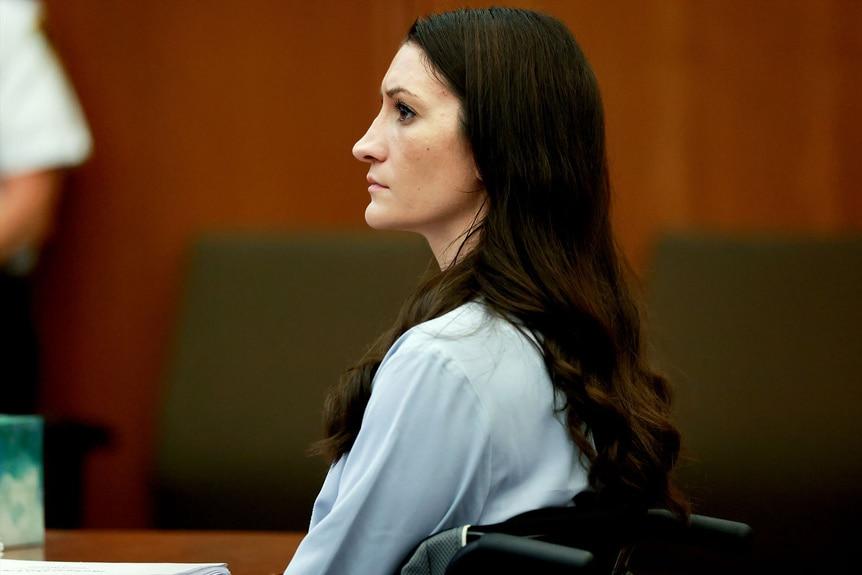
📷 Photo note: The images above are related editorial images of Lindsay Clancy and her trial for illustration. They are not represented as the exact CNN photographs. The CNN article’s image is credited to Josh Reynolds/Pool/Reuters. Verify licensing and credit before publication.
📅 Date: September 13, 2026
📰 Source: CNN
✍️ By: Eric Levenson, CNN
📌 Topic: Lindsay Clancy trial, insanity defense & mistrial