

📅 Date: September 28, 2026
📍 Location: Conway, South Carolina
📰 Source: CNN
🏷️ Topic: ISIS, online radicalization and juvenile extremism
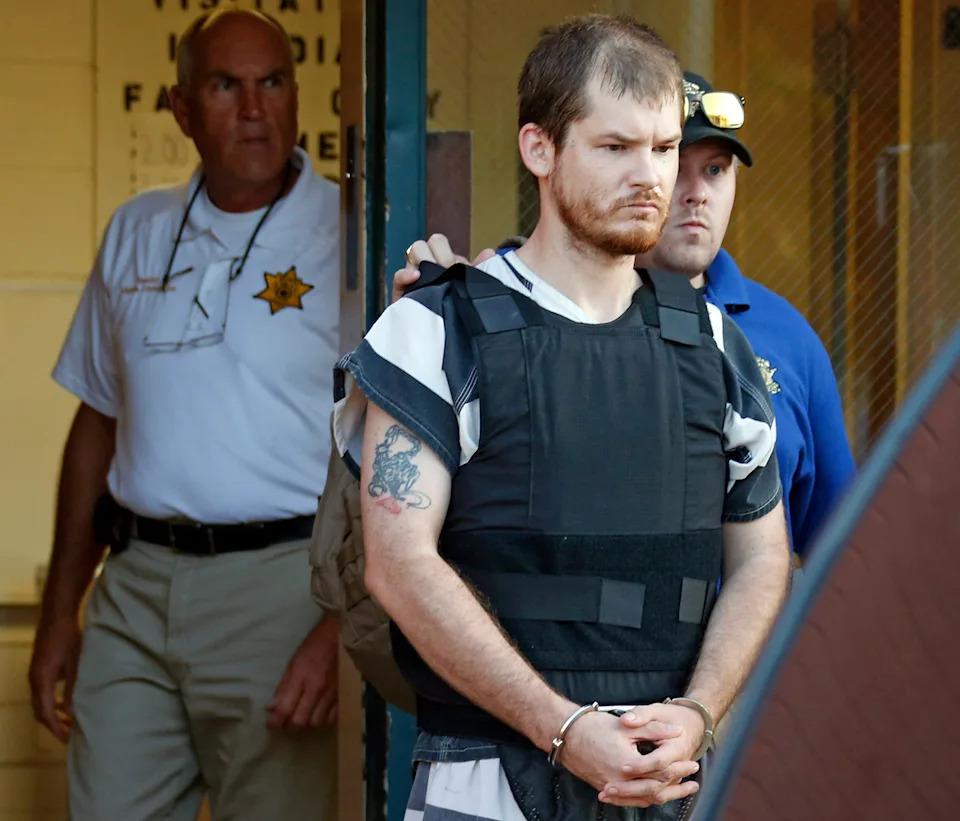
Daniel Fischer was 16 when his parents began noticing dramatic changes in their teenage son. The South Carolina boy, once described as a typical gamer, became increasingly absorbed in extremist material online and began arguing with his family about religion.
His parents became alarmed after their younger son told them Daniel was watching beheading videos. They took away his phone and PlayStation and tried other ways to intervene. But investigators later became involved, and a search of the family’s home uncovered two phones, weapons, a laptop and a journal describing Daniel’s desire to join ISIS and his intentions to use violence, according to investigative records.
South Carolina authorities said Daniel had expressed support for ISIS, communicated with extremist sympathizers and discussed potential attacks. His arrest warrant described a five-month period in 2024 during which he allegedly discussed joining a foreign terrorist organization, made threats involving destructive devices and obtained material related to making explosives.

Daniel eventually pleaded guilty to a conspiracy charge connected to his threats. In June 2026, he was sentenced in state court to three years in prison followed by five years of probation. His projected release date is April 2027, according to the South Carolina Department of Corrections.
His case has also become an example of a broader concern among US counterterrorism officials: teenagers can be exposed to extremist propaganda and become radicalized online at a very young age. CNN reported that, since 2024, most of the 19 ISIS-inspired plots and attacks identified in the United States involved at least one teenage suspect, citing the Institute for Strategic Dialogue.
FBI Deputy Director Christopher Raia told CNN that the ages of people becoming involved with extremism are getting younger, creating additional challenges for investigators and prosecutors dealing with juveniles. Experts cited by CNN said online extremist communities can appeal to teenagers experiencing isolation, identity struggles or emotional distress by offering a sense of belonging and purpose.

Daniel has spent more than a year working with Parents for Peace, an organization involved in helping people disengage from extremist ideologies. Counselor Mubin Shaikh, a former extremist who later worked in counterterrorism, has worked with Daniel through counseling sessions focused on challenging extremist beliefs and encouraging accountability.
According to Shaikh, Daniel has made significant progress and moved away from his previous extremist ideology. Daniel told a court that he had been experiencing an identity crisis and had “found myself speaking to the wrong people.” His family now hopes his experience can help prevent other young people from following a similar path.
CNN Original Article
#DanielFischer #ISIS #SouthCarolina #Terrorism #OnlineRadicalization #CounterTerrorism #USNews #CNN #Extremism #TeenRadicalization
📷 Photo note: Images above are related visual references and may not be CNN’s original photographs. Verify copyright, licensing and photo-credit requirements before publication.
📅 Date: September 28, 2026
📍 Location: Conway, South Carolina
📰 Source: CNN
🏷️ Topic: ISIS, online radicalization and juvenile extremism