
Reporter: Alexandra Skores
Category: U.S. Business / Aviation
Source: CNN
European budget airlines have become major players in the aviation industry, carrying millions of passengers each year with low-cost tickets and no-frills services. However, airlines using a similar business model have struggled to achieve the same success in the United States.
Europe’s low-cost airline success
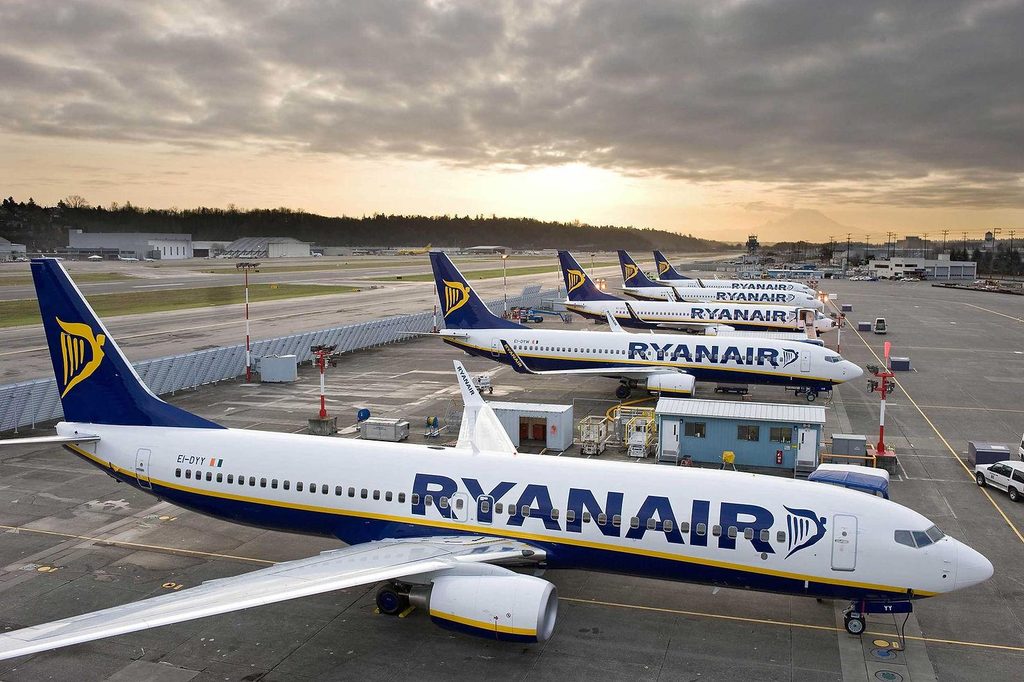
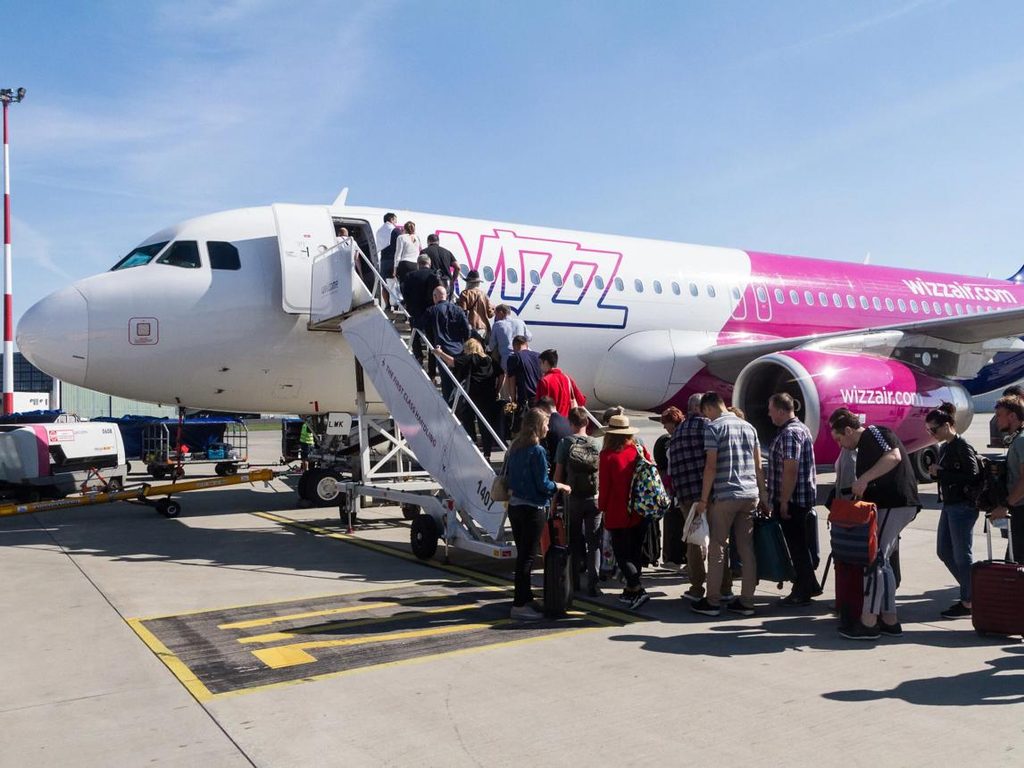
Airlines such as Ryanair, easyJet and Wizz Air have expanded across Europe by keeping operating expenses low and charging passengers separately for optional services, including baggage, seat selection and airport check-in.
According to CNN, Ryanair carried more than 200 million passengers in the previous year, while easyJet served nearly 100 million. Wizz Air carried almost 70 million passengers.
These airlines benefit from standardized aircraft fleets, efficient flight schedules and airports that can help reduce operating costs.
Airports and faster turnarounds make a difference
European budget airlines often use smaller or secondary airports that charge lower fees than major international hubs. Airports can also help airlines reduce the time needed to unload, service and reload aircraft between flights.
Industry estimates cited by CNN put turnaround times at some European airports at around 25 to 30 minutes, compared with 45 minutes to an hour at some U.S. airports.
Faster turnarounds can allow aircraft to complete more flights in a day, helping airlines spread their costs across more journeys.
Why American budget airlines face difficulties
In the United States, discount airlines face intense competition from established carriers such as Delta Air Lines and United Airlines. These larger airlines can offer basic-economy fares that compete with budget tickets while also providing extensive route networks and loyalty programs.
American travelers may also have different expectations about comfort, convenience and customer service. Some passengers are reluctant to pay separately for baggage, seat selection and other services that they associate with a normal flight.
Rising operating expenses, fuel prices and pressure to keep fares low can make profitability especially difficult for discount airlines.
Spirit Airlines highlights the risks
The collapse of Spirit Airlines earlier in 2026 underscored the financial challenges facing the American ultra-low-cost airline sector. Other remaining U.S. budget carriers include Frontier Airlines, Allegiant Air, Breeze Airways, Sun Country Airlines and Avelo Airlines.
Southwest Airlines and JetBlue, which once operated more clearly defined low-cost models, have also moved toward business strategies that combine budget fares with additional services.
What this means for travelers
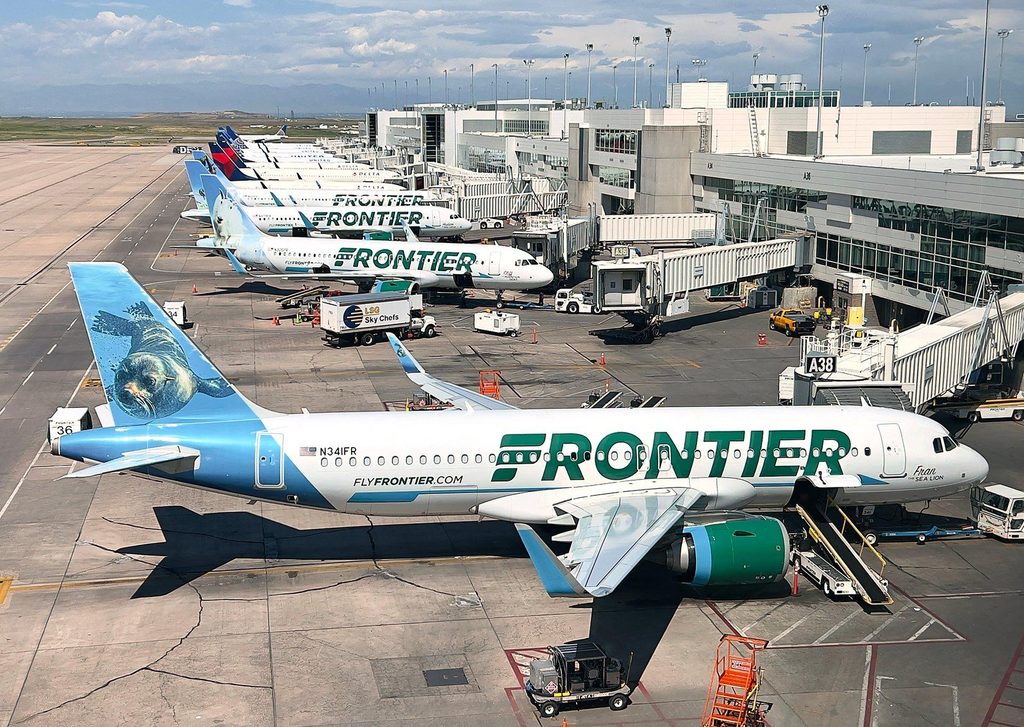
Budget airlines can offer substantial savings, but the advertised fare may not reflect the total cost of a trip. Passengers should compare baggage charges, seat-selection fees, airport transportation and other extras before booking.
Europe’s experience demonstrates how a combination of operational efficiency, suitable airports and widespread acceptance of no-frills travel can support budget airlines. In the United States, competition, costs and consumer expectations have made the model more difficult to sustain.
Original CNN article: https://edition.cnn.com/2026/10/20/business/budget-airlines-thrive-in-europe-not-us
This is a rewritten summary of CNN’s reporting, not the full original article.
Reporter: Alexandra Skores
Category: U.S. Business / Aviation
Source: CNN