
📅 Date: September 15, 2026
📰 Source: CNN
📌 Topic: Homebuyers / AI Voice-Cloning Scam / Real Estate Fraud
Two homebuyers say they lost $66,000 in a sophisticated scam involving what they believe was an AI-generated voice impersonation during their home-buying process. The case highlights how rapidly artificial intelligence is changing the tactics used by criminals targeting people during major financial transactions. CNN highlighted the case on September 15.
The victims, Brian and Wendy VanDoeselaar, said there were several warning signs in retrospect. But at the time, the communications appeared convincing enough that they believed they were dealing with legitimate people involved in their home purchase.
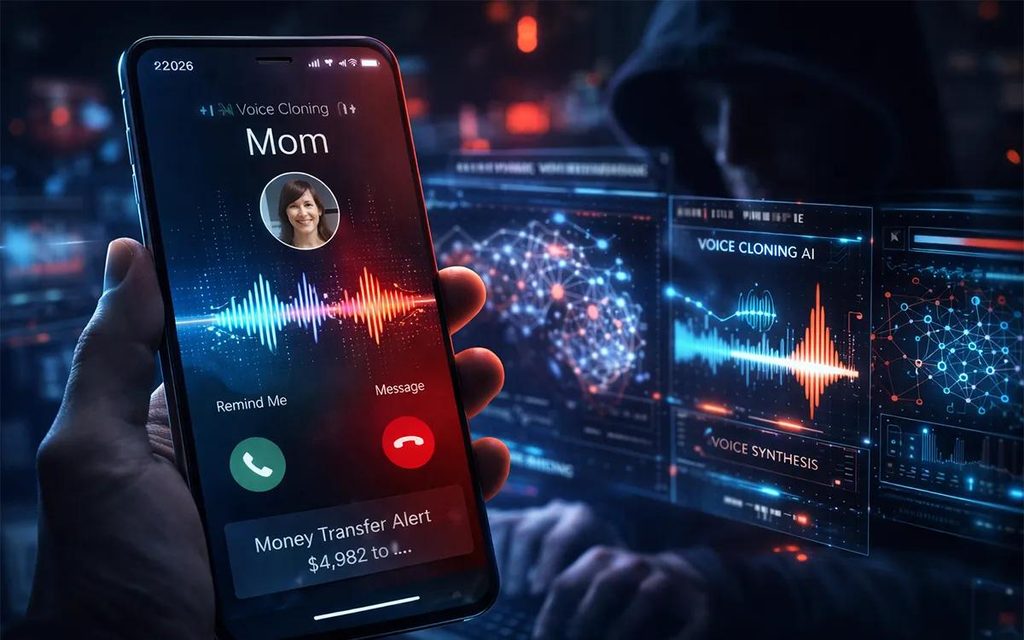
Voice-cloning technology can reproduce a person’s voice from relatively small amounts of audio. Criminals can then use the cloned voice to create a sense of trust and urgency, making victims believe they are speaking with a real estate professional, lender, attorney or another person involved in a transaction.
Real-estate transactions are particularly attractive targets because buyers routinely exchange large amounts of money electronically. A fraudulent request that appears to come from a trusted person can potentially cause victims to transfer tens of thousands of dollars before they realize something is wrong.
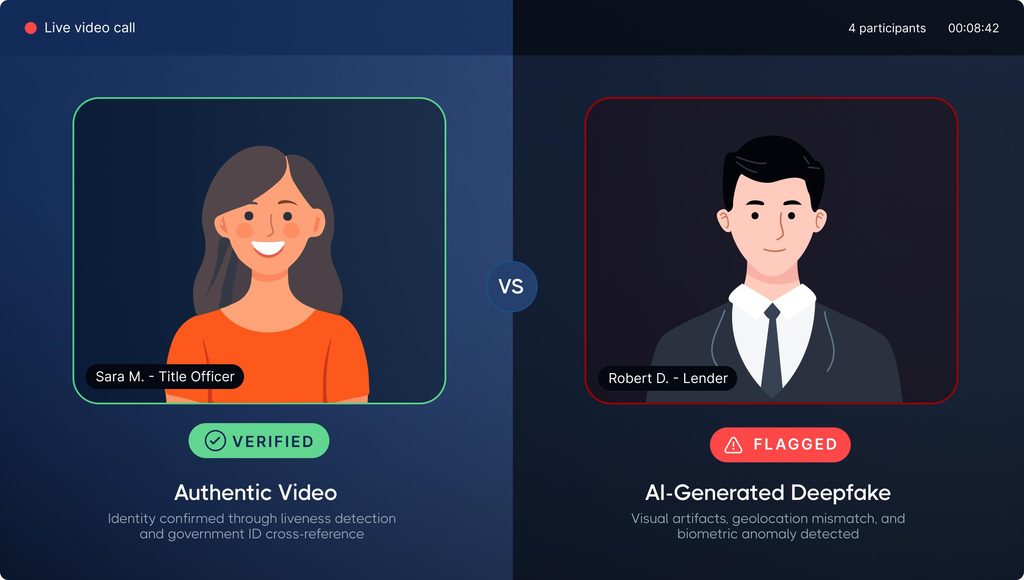
The VanDoeselaars’ experience demonstrates why buyers should independently verify payment instructions and be extremely cautious when someone suddenly changes wiring information or asks for money through an unusual method. Hearing a familiar voice is no longer enough to establish someone’s identity.

AI-powered impersonation scams are becoming a broader consumer threat. Similar scams have previously used cloned voices to impersonate relatives and demand urgent payments, demonstrating how convincing synthetic voices can be.
How homebuyers can protect themselves
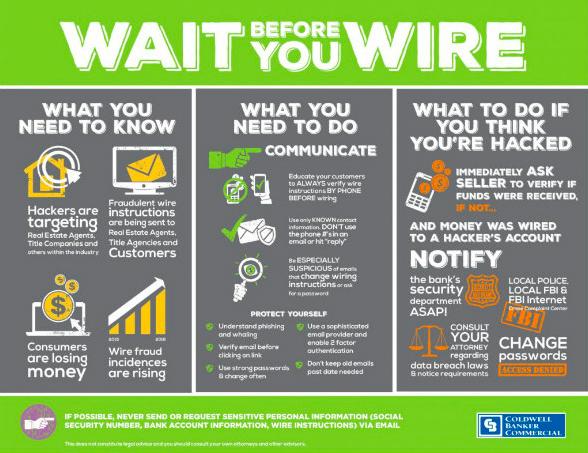
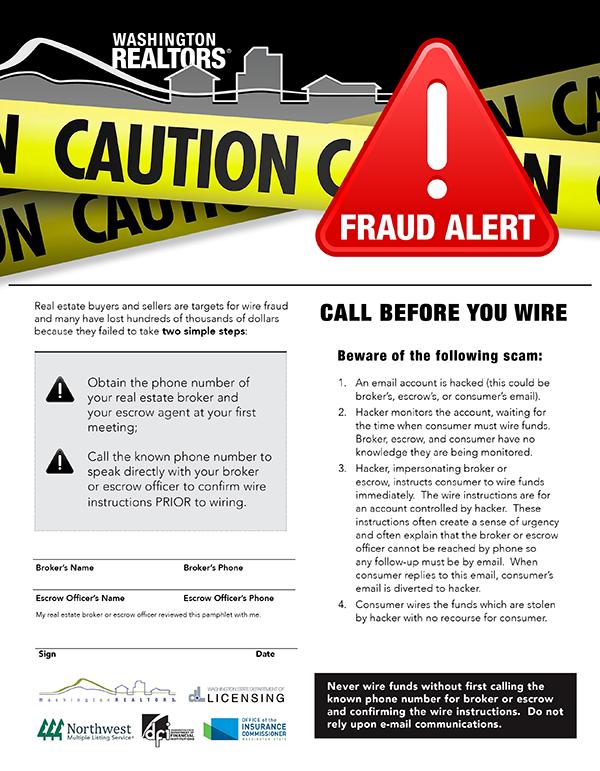
- Never rely solely on a phone call to verify a wire transfer.
- Call the title company or attorney using a previously verified phone number.
- Confirm wiring instructions through an independent communication channel.
- Treat unexpected changes to payment instructions as a major red flag.
- Slow down when someone creates pressure or urgency around a large payment.
Hashtags
#AI #VoiceCloning #Scam #RealEstate #Homebuyers #Fraud #Cybercrime #ArtificialIntelligence #USNews #CNN
📸 Photo note: The images above are illustrative images related to AI voice-cloning and real-estate fraud, not confirmed as the exact CNN photographs. Verify the original photo credit and licensing before publication.
📅 Date: September 15, 2026
📰 Source: CNN
📌 Topic: Homebuyers / AI Voice-Cloning Scam / Real Estate Fraud