
Date: September 16, 2026
Source: CNN
Topic: 2026 US Primaries, Congress & American Politics
The 2026 US primary season has offered a series of signals about the political environment heading toward the November midterm elections. The contests produced defeats for a notable number of incumbents, exposed limits to President Donald Trump’s influence within Republican primaries and highlighted continuing ideological changes within the Democratic Party.
Trump’s Endorsements Did Not Guarantee Victory
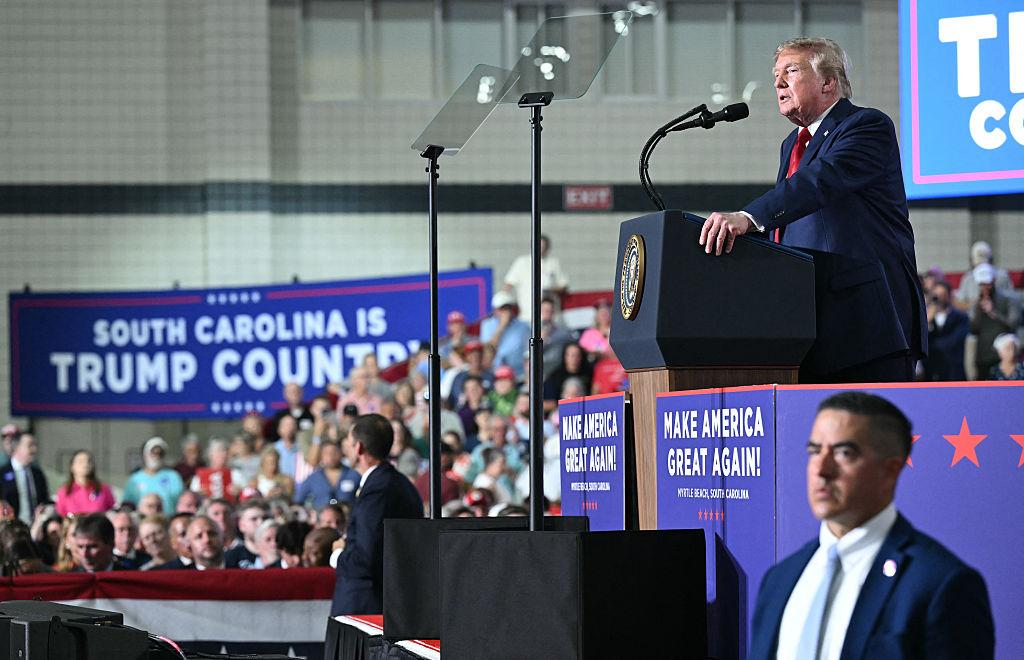
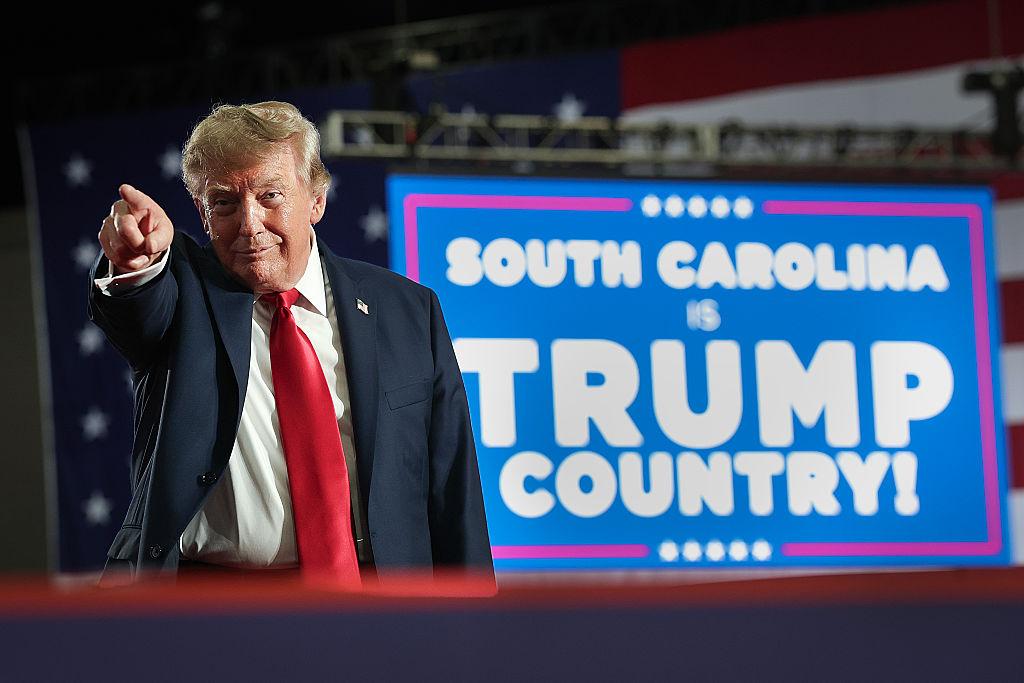
Trump remained a powerful force in Republican primaries, but several candidates he endorsed failed to secure their nominations. An analysis cited in reporting found that at least 10 Trump-backed candidates lost congressional or statewide primary contests during the 2026 cycle.
Among the notable defeats were Republican candidates involved in high-profile disputes with Trump, including Thomas Massie, as well as several candidates running for statewide office. Trump’s involvement remained consequential in a number of races, but the results showed that Republican primary voters did not automatically follow his endorsements.
Democrats Face Their Own Internal Shifts
The Democratic primaries also revealed an increasingly visible ideological debate within the party. Candidates associated with the democratic-socialist movement secured nominations in several important contests, continuing a trend that has become more prominent since the 2025 New York City mayoral election.
At the same time, many Democratic nominees came from different parts of the party’s ideological spectrum, reflecting the importance of individual candidates and the political characteristics of their districts and states.
Incumbents Faced Significant Challenges
One of the most notable features of the 2026 primaries was the number of sitting lawmakers who failed to win renomination. At least 13 members of Congress seeking reelection lost their primaries, according to an analysis cited in coverage of the primary season.
The defeats reflected several different factors, including primary challenges, redistricting, disagreements over policy and opposition from national political figures. The results demonstrated that holding congressional office does not necessarily guarantee a candidate’s survival in a primary.
Redistricting Could Shape the November Battle
Redistricting has also become a major factor in the 2026 election cycle. States have pursued changes to congressional maps, potentially altering the competitiveness and partisan balance of individual districts. Ballotpedia’s review of the 2025–26 redistricting cycle documents the unusually active map-drawing environment surrounding this year’s elections.
Because control of the House could depend on a relatively small number of competitive districts, changes to district boundaries may have consequences beyond individual primary races.
Foreign Policy Issues Are Playing a Role
Issues surrounding Israel and the Middle East have also become more prominent in Democratic primary contests. Candidates have faced increasingly active debate within the Democratic electorate over US policy toward Israel and the broader Middle East.
The issue has been particularly visible in several competitive Democratic races, where candidates have taken different positions or faced pressure from competing groups.
Personal Controversies Can Still Reshape Races
The 2026 primaries also showed how allegations, scandals and personal controversies can quickly change the trajectory of political campaigns. Several candidates withdrew or lost after controversies became central to their races.
The results underline the importance of candidate-specific factors in primary elections, where relatively small electorates can have an outsized influence on who advances to the general election.
What Comes Next
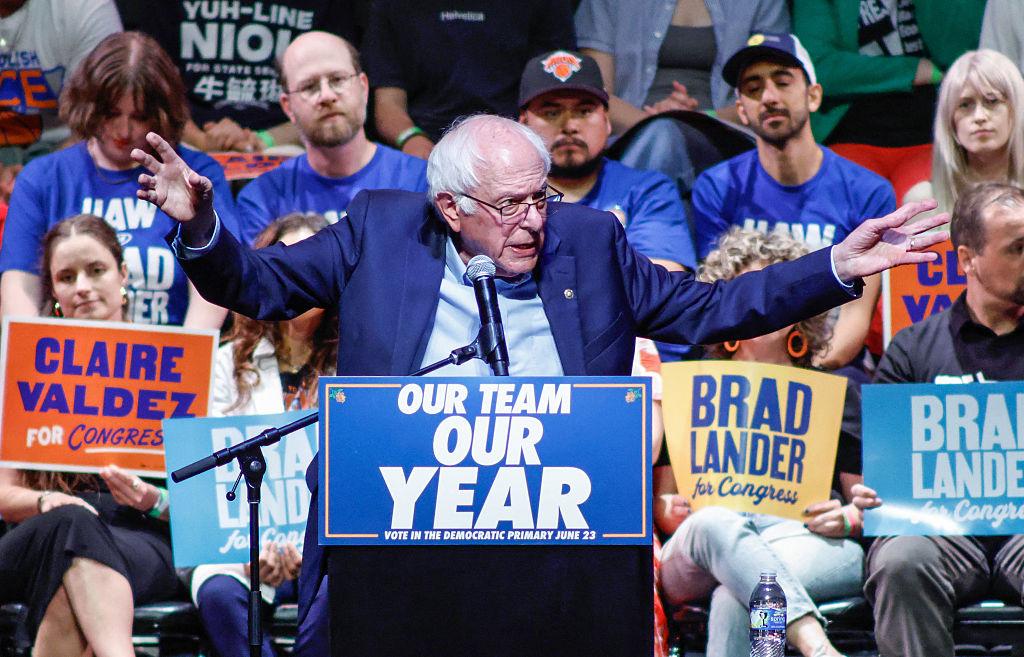
With the primary season largely complete, attention now turns to the November 2026 midterm elections. The primary results provide information about party coalitions, candidate strength, ideological divisions and the effects of redistricting, but they do not by themselves determine the outcome of the general election.
The coming campaign will depend on the nominees selected by both parties, voter turnout, local political conditions and the issues that dominate the national debate.
#Hashtags:
#CNN #2026Primaries #USPolitics #Midterms2026 #DonaldTrump #RepublicanParty #DemocraticParty #Congress #Election2026 #USNews
Date: September 16, 2026
Source: CNN
Topic: 2026 US Primaries, Congress & American Politics