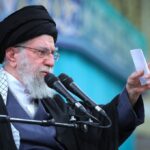
The US-Israel War against Iran has entered its second week as of March 9, 2026, marking one of the most intense and rapidly escalating conflicts in the Middle East in recent history. Officially termed Operation Epic Fury by US Central Command (with Israel referring to aspects as Operation Roaring Lion), the joint campaign began on February 28, 2026, with devastating airstrikes that eliminated Iran’s Supreme Leader Ayatollah Ali Khamenei and numerous high-ranking officials.
This full-scale war has already resulted in thousands of targets destroyed, massive civilian and military casualties, regional spillover, surging global oil prices, and urgent diplomatic warnings from major powers like China.
The War’s Origins and Opening Phase
The conflict ignited when US and Israeli forces launched coordinated preemptive strikes on February 28, targeting Iranian military bases, nuclear-related facilities, command centers, and leadership compounds in cities including Tehran, Isfahan, Qom, Karaj, and Kermanshah. The initial wave killed Supreme Leader Ali Khamenei, IRGC commanders, and other key figures, aiming for regime destabilization and the prevention of Iran’s nuclear ambitions.
In the first week alone, US forces reported striking over 3,000 targets, with no signs of slowing. Satellite imagery confirms extensive damage to military sites, missile infrastructure, and now energy facilities.
Recent Escalation: Targeting Iran’s Energy Lifeline
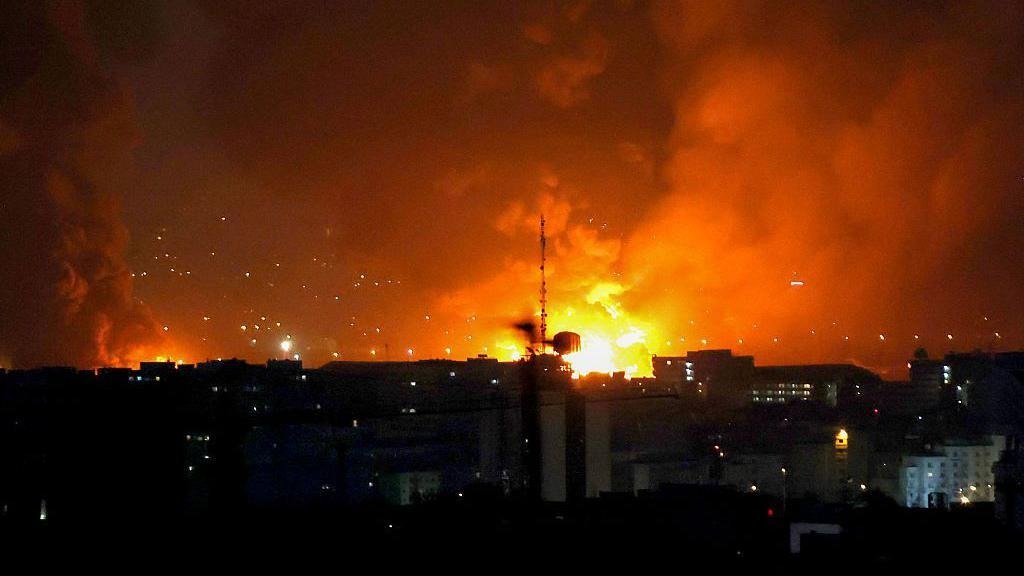
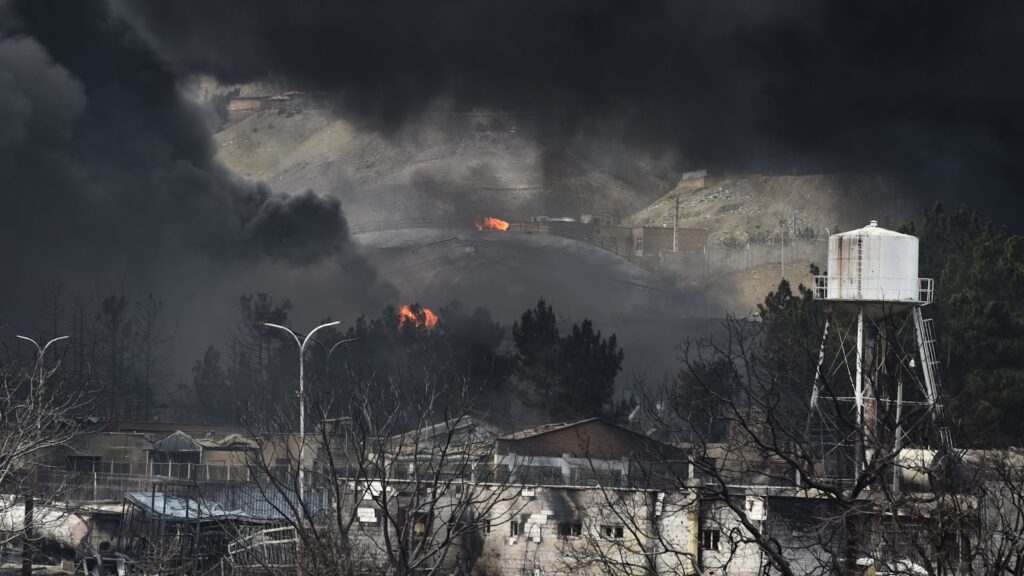
The campaign has entered a “new phase” with intensified attacks on Iran’s oil and fuel infrastructure. Strikes hit major storage depots in Tehran, including the Shehran facility linked to the Revolutionary Guard, causing apocalyptic fires, black smoke plumes visible for miles, and blackened rain from debris.
Iranian officials warn that this pushes the war toward broader economic warfare, threatening retaliatory strikes on regional energy assets. Residents describe scenes of “catastrophe” with dark skies symbolizing an uncertain future.
Iran’s Leadership Transition: Mojtaba Khamenei Takes Power
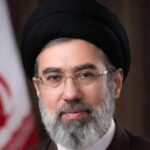
In a historic and controversial move, Iran’s Assembly of Experts named Mojtaba Khamenei — son of the late Ayatollah Ali Khamenei — as the new Supreme Leader on March 8, 2026. Iranian military, police, and government bodies have pledged allegiance.
President Trump has dismissed the appointment, warning that any leader installed without US approval “won’t last long” and calling it a “dare” that invites further action. Analysts describe Mojtaba as a likely transitional figure amid the chaos.
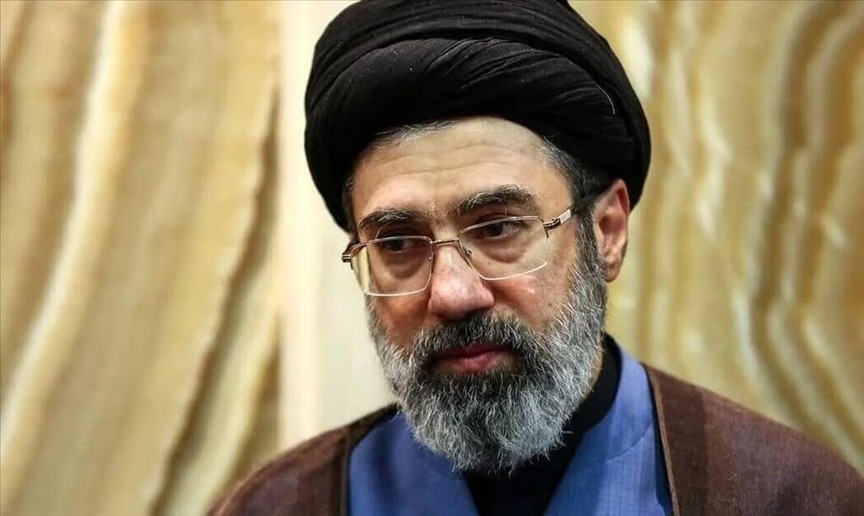
Official portraits and images of Mojtaba Khamenei as Iran’s new Supreme Leader.
Global Economic Shock: Oil Prices Soar Past $90–$100
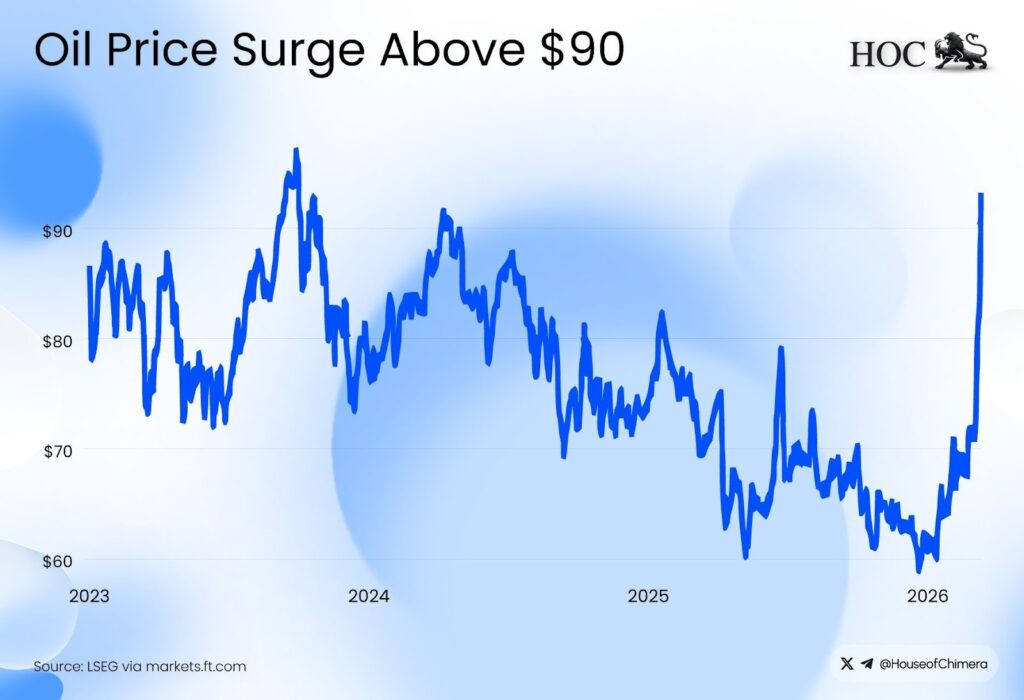
Disrupted Iranian exports and fears over the Strait of Hormuz have driven crude oil prices above $90–$100 per barrel — levels not seen since major past crises. Prolonged conflict could curtail global supplies significantly, impacting Asia, Europe, and beyond.
US Political and Military Developments
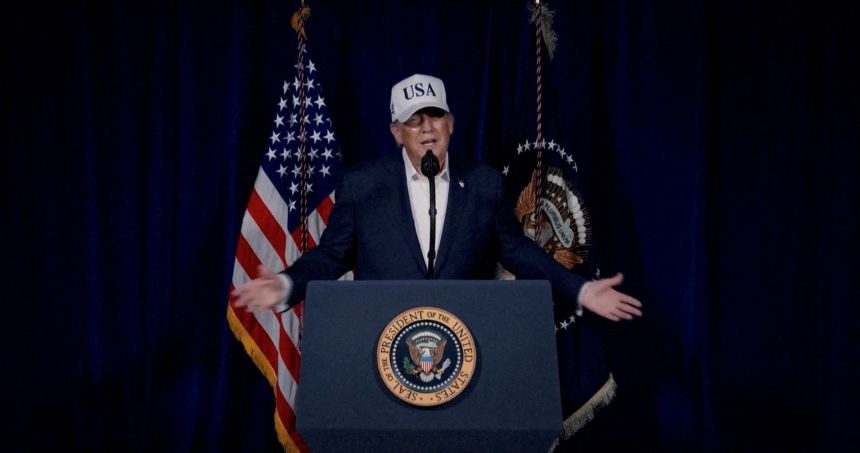
President Trump has demanded Iran’s “unconditional surrender,” rejected negotiations, and promised “very hard” strikes ahead. He attended dignified transfer ceremonies for fallen US service members (at least eight reported deaths so far) and downplayed risks.
Congress narrowly rejected the War Powers Resolutions to curb involvement. Former NATO commanders rate the tactical campaign highly (9/10) but warn strategic outcomes remain uncertain.
International Reactions and Regional Risks
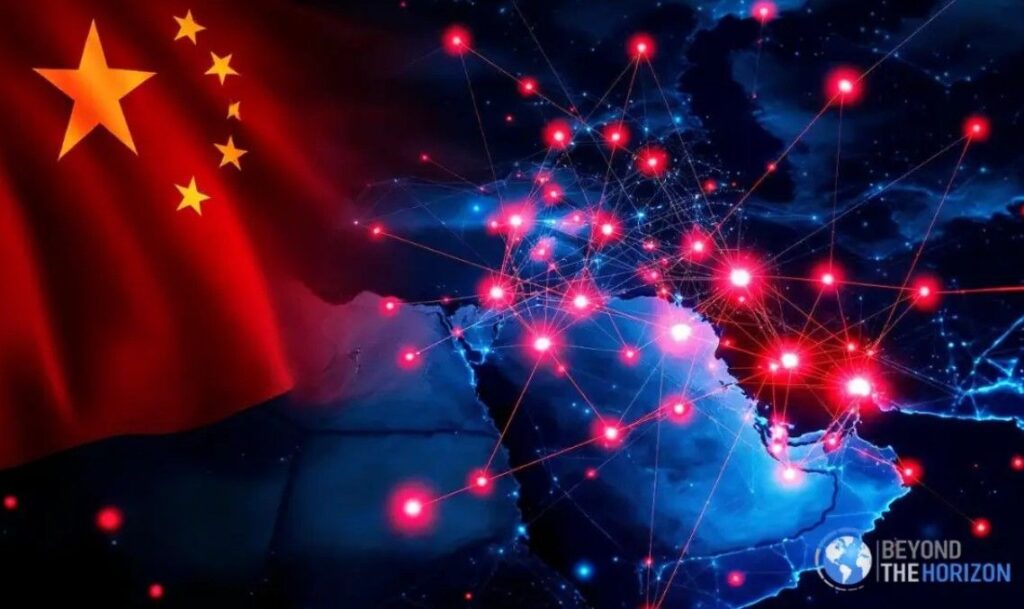
China has urged de-escalation to prevent a broader war, while Russia shows support for Iran. Spillover includes Hezbollah-Israel clashes in Lebanon (displacing hundreds of thousands), Iranian missile strikes on US-linked sites in Gulf states, and civilian casualties.
The UN warns of a growing humanitarian crisis. Risks of ground invasion, wider proxy involvement, or nuclear escalation persist.
China’s Middle East Strategy in 2025: Between Iran and Israel
Diplomatic visuals of China’s warnings amid Middle East maps.
The war’s trajectory is highly volatile, with tactical gains for US-Israel forces but no clear endgame. Civilian suffering mounts, global markets reel, and the world watches for signs of further escalation or diplomatic breakthrough. Developments continue rapidly — stay informed through reliable sources.