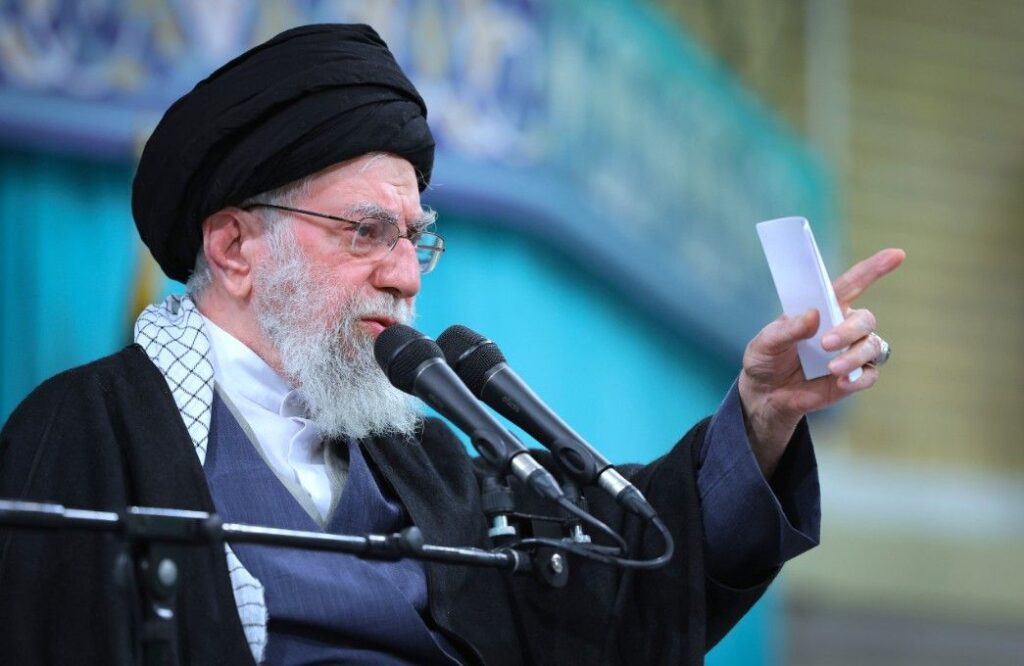

Tehran Vows to Maintain Blockade of Key Shipping Lanes Unless Conditions Met
March 15, 2026 — In a defiant statement amid the escalating U.S.-Israel war with Iran, now in its third week, Iranian officials have outlined explicit conditions for ending the conflict. A former senior commander of Iran’s Islamic Revolutionary Guard Corps (IRGC) warned that the war’s resolution lies “in Tehran’s hands,” issuing a blunt ultimatum to U.S. President Donald Trump and Israeli Prime Minister Benjamin Netanyahu.
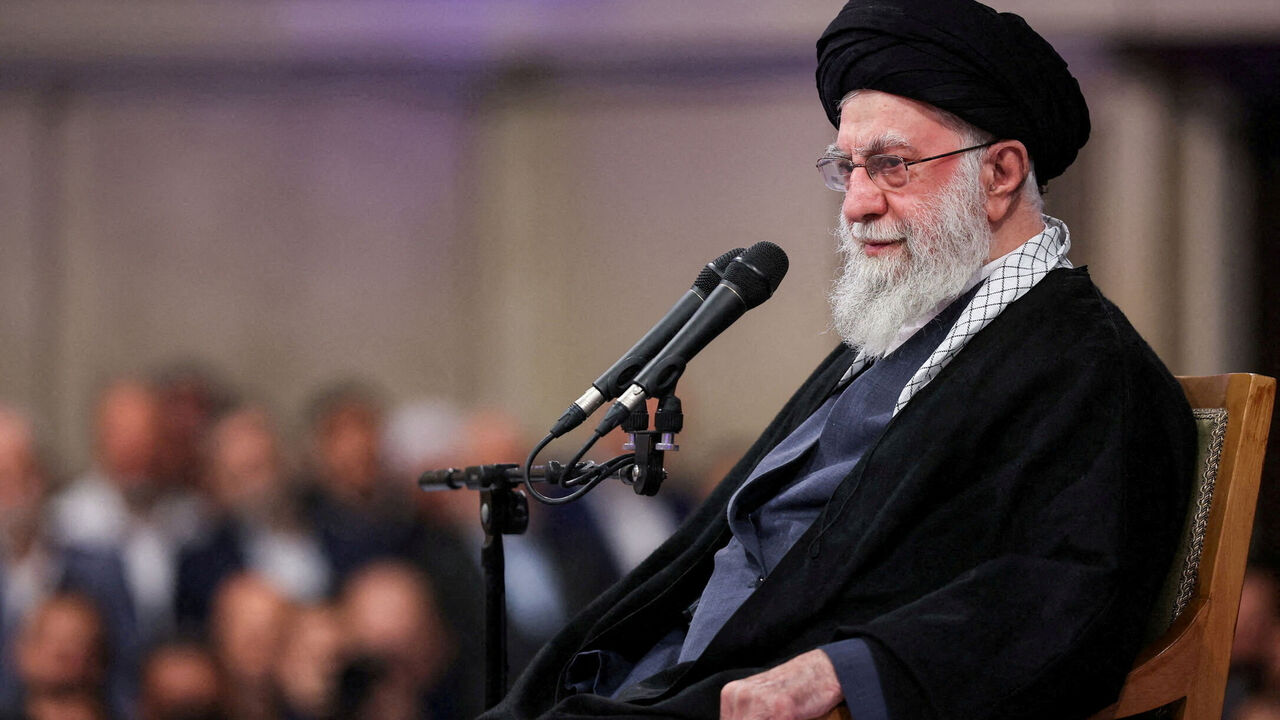
Background of the Ongoing Conflict
The war erupted in late February 2026 following joint U.S. and Israeli airstrikes on Iranian targets, initially aimed at nuclear facilities and military infrastructure. Iran retaliated with missile and drone attacks across the region, including on U.S. bases and allies. The conflict has caused significant casualties, with reports of over 1,300 deaths from U.S.-Israeli strikes alone, widespread displacement, and massive economic disruption due to Iran’s effective closure of the Strait of Hormuz.


Iran’s Key Peace Conditions
Major General Mohsen Rezaei, a prominent former IRGC commander, laid out three primary demands for de-escalation:
- Full cessation of U.S. and Israeli airstrikes and military operations against Iranian territory.
- Permanent end to aggression, including guarantees against future attacks.
- Compensation from Washington for damages inflicted by the strikes, including infrastructure losses and civilian harm.
These conditions echo earlier statements from Iranian President Masoud Pezeshkian and align with vows from Iran’s new Supreme Leader, Mojtaba Khamenei, who has emphasized using the Strait of Hormuz blockade as ongoing leverage. Tehran has rejected mediation efforts from regional allies and insists no ceasefire will occur until its terms are met.
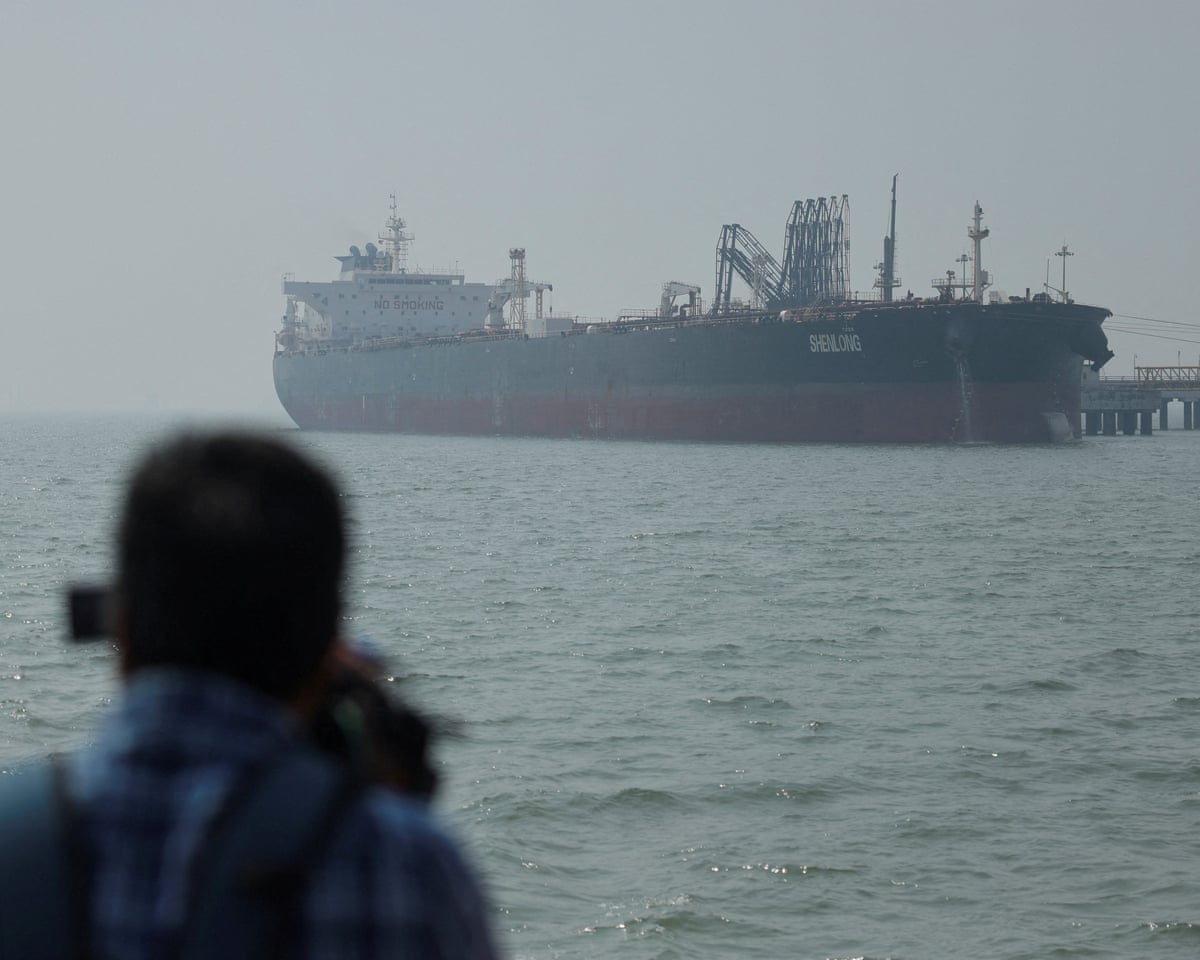
The Strait of Hormuz Blockade: A Critical Leverage Point
Iran’s Islamic Revolutionary Guard Corps (IRGC) has maintained control over the vital waterway, prohibiting passage for vessels linked to “aggressors” and their allies. This has halted much of the global oil flow through the strait, which handles about 20-30% of the world’s seaborne oil trade.
The blockade has driven oil prices to record highs, contributing to global economic shocks, including sharp rises in gasoline costs and supply chain disruptions. Iran’s new leadership has vowed to keep the strait closed as a “tool of pressure” until demands are addressed.

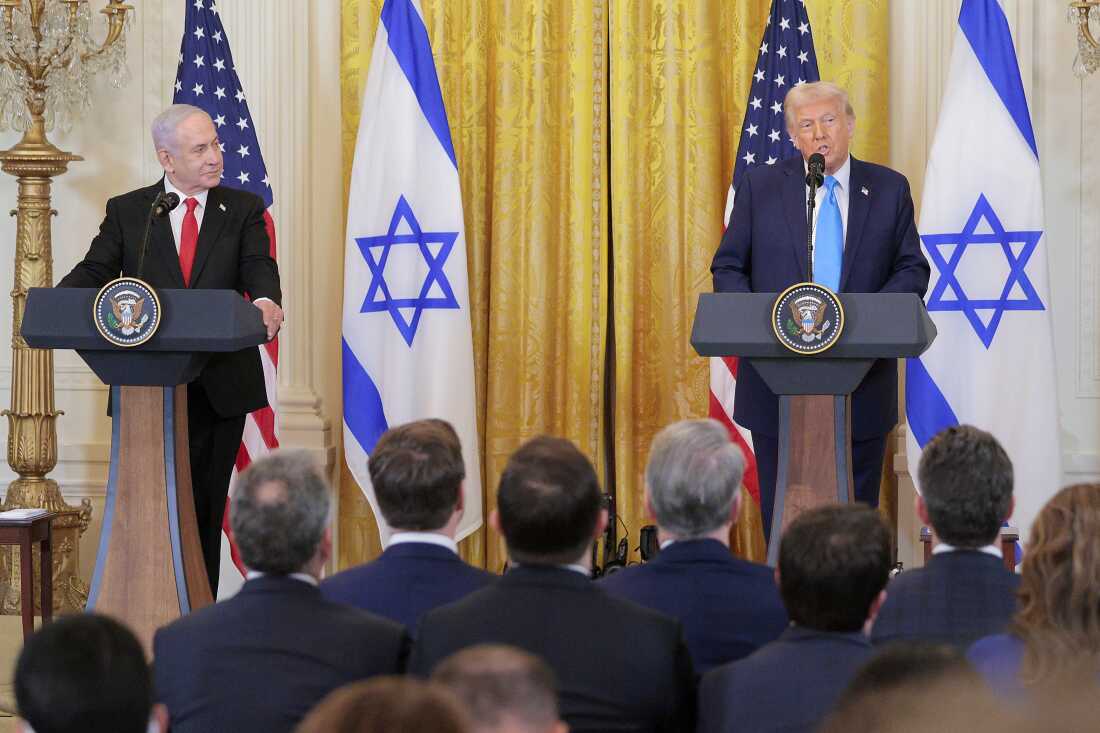
Responses from Trump and Netanyahu
President Trump has rejected diplomatic overtures and demanded “unconditional surrender” from Iran, while threatening further strikes on key oil infrastructure like Kharg Island if the blockade persists. He recently announced U.S. strikes on military targets there, claiming they avoided core oil facilities to limit escalation.
Israeli Prime Minister Netanyahu has framed the campaign as creating conditions for internal change in Iran, urging Iranians to rise against their regime for eventual peace.
Both leaders have rebuffed mediation, signaling the conflict may prolong unless one side yields.
Broader Implications
The standoff risks wider regional spillover, with attacks already hitting U.S. assets in Iraq, oil hubs in the UAE, and other Gulf states. Global markets face continued volatility, and analysts warn of potential escalation toward a prolonged war with severe humanitarian and economic costs.