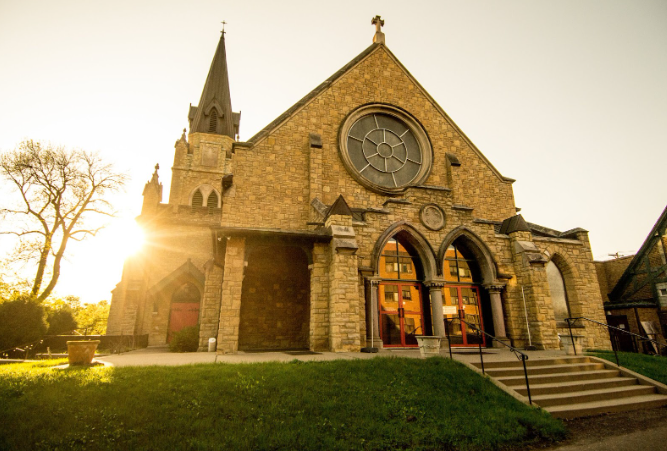

This is Cities Church in St. Paul, Minnesota—the place where the protest happened.
A Big News Story That Many People Are Talking About
In late February 2026, the U.S. Department of Justice (DOJ) announced that 30 more people were charged by federal prosecutors for taking part in a protest inside a church in St. Paul, Minnesota.
This means that now 39 people in total have been charged with serious federal crimes.
This article will explain what happened, why federal officials charged these people, who some of them are, and what this means for everyone involved—all in simple words that are easy to understand.
What Is a Protest?
A protest is when people come together to show that they disagree with something. They usually use signs, speech, or peaceful actions to share their message.
In this case, a group of people protested inside a church. They were unhappy with how the U.S. government was handling immigration enforcement—especially actions carried out by the federal agency called ICE (Immigration and Customs Enforcement).
Where and When Did It Happen?
- The protest happened on January 18, 2026.
- It took place during a Sunday worship service at Cities Church in St. Paul, Minnesota.
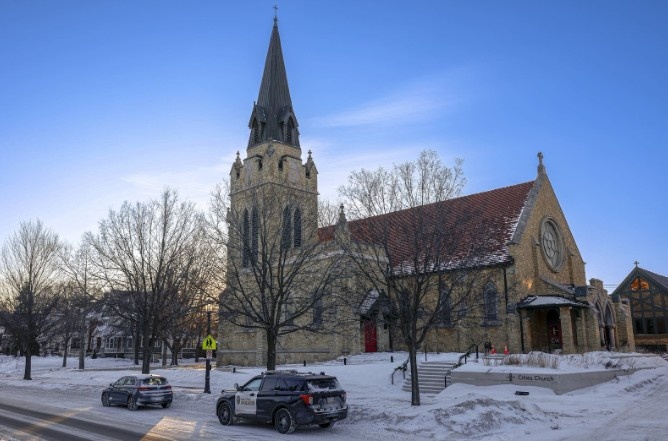
Cities Church is a real church located in a city called St. Paul—one of the “Twin Cities” in the state of Minnesota in the United States.
Why Did People Protest Inside the Church?
The protesters had several strong feelings:
- Some people were upset because an agent working for ICE shot and killed a woman named Renee Good earlier in Minnesota.
- Protesters believed that one of the pastors at Cities Church was also working for ICE.
- They wanted to demand changes and justice for immigrants and victims of immigration enforcement.
Because of these issues, a group of protesters entered the church service and began their demonstration.
What Did the Protest Do Inside the Church?
According to federal officials:
- The protesters entered the church without permission during a worship service.
- Videos from that day showed people shouting and disrupting the service.
Because of this disruption, some people had to leave the church, and the worship service could not continue normally.
The Government’s View—Why They Are Charging People
The U.S. Department of Justice (DOJ) said that what happened may have broken certain federal laws.
Here’s Why Officials Are Charging Them:
Federal prosecutors said the protesters may have:
- Conspired against the right to religious worship, meaning they may have worked together to stop people from practicing their religion.
- Obstructed access to a house of worship—meaning they may have blocked people from entering or worshiping peacefully.
Because these are federal laws, the protesters were charged by the U.S. government instead of just local police.
Who Announced the New Charges?
The news came from U.S. Attorney General Pam Bondi, who is one of the most senior officials in the Department of Justice.
She posted on social media:
YOU CANNOT ATTACK A HOUSE OF WORSHIP
“If you do so, you cannot hide from us—we will find you, arrest you, and prosecute you.”
This message made it clear that the federal government takes these charges very seriously.
How Many People Are Now Charged?
At first, 9 people were charged after the January protest.
At the end of February, the Justice Department added 30 more names, bringing the total number of people charged to 39.
Out of these 30 newly charged people, 25 were already arrested by federal law enforcement agents, and more arrests were expected.
Some Well-Known People Who Were Charged
Among the people already charged earlier were
- Don Lemon, a journalist and former CNN anchor.
- Georgia Fort—another journalist who covered the protest.
- Nekima Levy Armstrong—a local activist.
These people say they did not do anything wrong and that they were there to report on the protest or support the cause.
What Are They Accused of Doing?
The charges say the protesters:
- Worked together as a group to disrupt people’s worship.
- Interfered with people’s right to pray and worship in peace.
- Obstructed access to a house of worship.
These are serious criminal allegations under federal civil rights laws.
What Do the Protesters Say About Their Actions?
Some of the people charged say that:
- They were exercising their rights to protest against injustice.
- Journalists say they were reporting on what was happening as news reporters.
They argue that their actions should be protected under the First Amendment of the U.S. Constitution—which guarantees freedom of speech and freedom of the press.
Why Little Children and Church Members Are Part of the Story
Some reports said that children and families inside the church were frightened when the protest happened.
One person who was at the church on the day of the protest even filed a lawsuit saying the protest caused fear and emotional stress and interfered with their ability to worship.
This lawsuit is separate from the federal criminal charges but is part of the larger story.
What Federal Law Did Officials Use?
Officials used two main civil rights laws:
- A law that protects people in a house of worship from interference.
- A law that makes it a crime to intimidate or interfere with someone’s right to religious freedom.
These laws are meant to protect places like churches, mosques, synagogues, and temples—any place where people gather for worship.
How Did the Government Arrest People?
After announcing the charges:
- Federal agents arrested 25 of the newly charged people.
- More arrests were expected across different parts of the country.
This means law enforcement was actively trying to bring the accused individuals to court.
How People Are Reacting to the Case
This news has led to different opinions:
✔️ Some people say the government is protecting religious freedom and that no one should disrupt a worship service.
✖️ Others say the protest was peaceful and people were exercising their right to protest injustice—and that charging them is unfair.
Some legal experts even say that the laws being used might not apply the way the DOJ believes.
What Happens Next in Court
Everyone charged will have to go to federal court. In court:
- A judge will make decisions about their cases.
- The people charged can say they are not guilty.
- Lawyers will argue for and against the charges.
The court will decide whether these people committed crimes or not.
Why This Story Is Important
This case is about big ideas in American law:
📌 Freedom of Speech—Can people protest even in sensitive places?
📌 Freedom of Religion—Are houses of worship protected from interruption?
These are rights that are written into the U.S. Constitution, and when they conflict, courts have to decide what is allowed and what isn’t.
What You Should Remember
Here are the key points:
- 39 people were charged by the U.S. government after an inside-church protest.
- The government says the protesters interfered with worship.
- Some accused say they were peacefully protesting or reporting on the event.
- This story is still ongoing, and court decisions will come later.
Final Thoughts
This event has become a major national news story because it involves both important political issues (immigration and protests) and constitutional rights (freedom of religion and speech). Many people—including lawyers, activists, politicians, and everyday citizens—are paying attention to what happens next.
Our Recommendation Post: