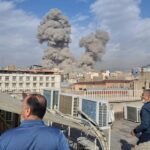

The conflict entered its seventh day with heavy US and Israeli airstrikes hitting Tehran and other key sites in Iran. The death toll in Iran has climbed past 1,000 (some reports say over 1,045), including civilians from strikes on schools and infrastructure. The US has lost at least six service members so far, including from Iranian drone attacks.
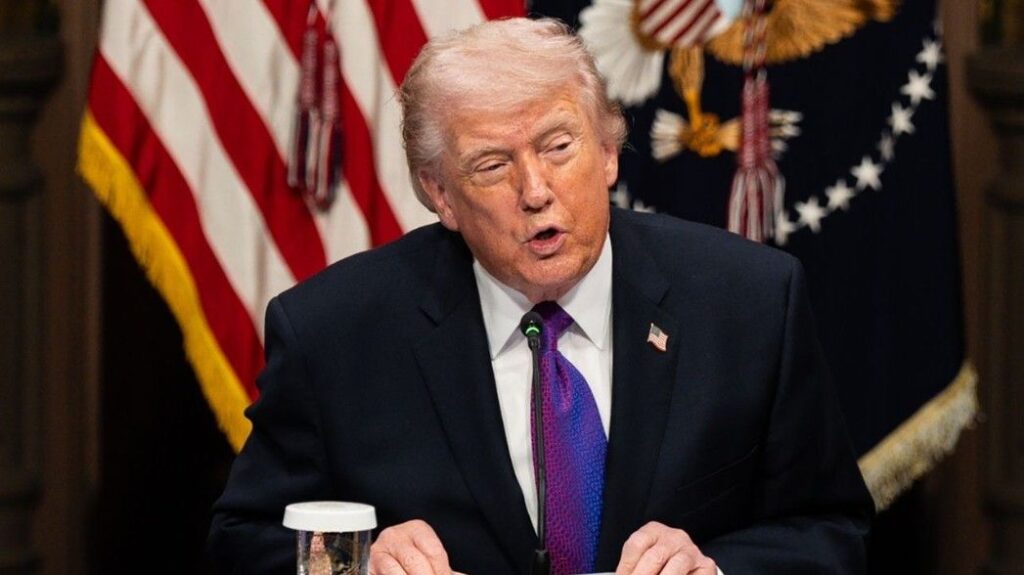
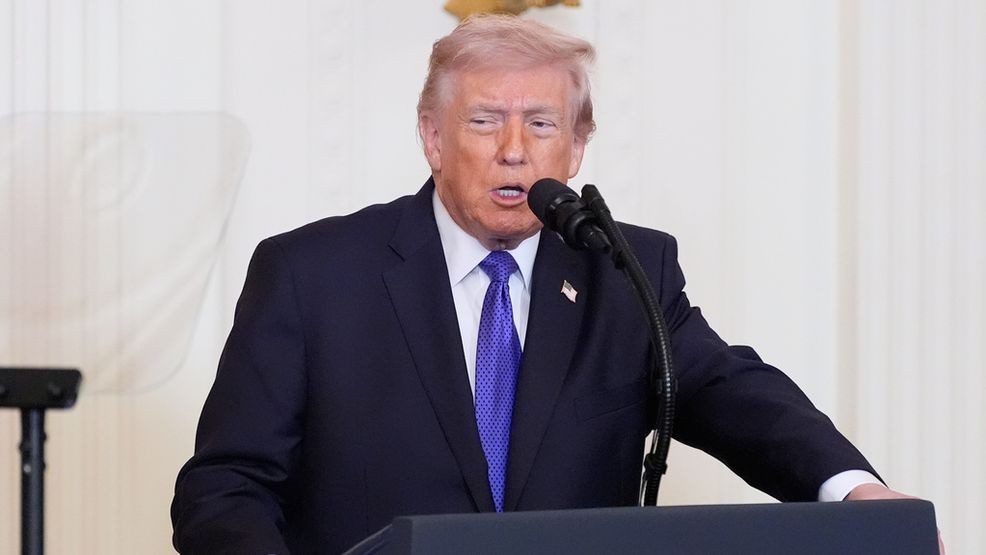
Trump addressed the nation, insisting any end to the fighting must include Iran’s unconditional surrender, followed by US involvement in choosing new leadership. He said the US has struck over 2,000 targets and that Iran’s military capabilities are being “wiped out,” though Iran launched counterattacks like “Operation True Promise 4” with drones and missiles targeting US/Israeli bases.
This war is causing massive ripple effects:
- Oil prices surged sharply (Brent crude jumping toward $90+ per barrel in recent spikes due to fears over Gulf supplies and Strait of Hormuz threats), pushing US gas prices up and straining the economy. Stock markets (like the Dow) tumbled nearly 800 points in sessions tied to the conflict.
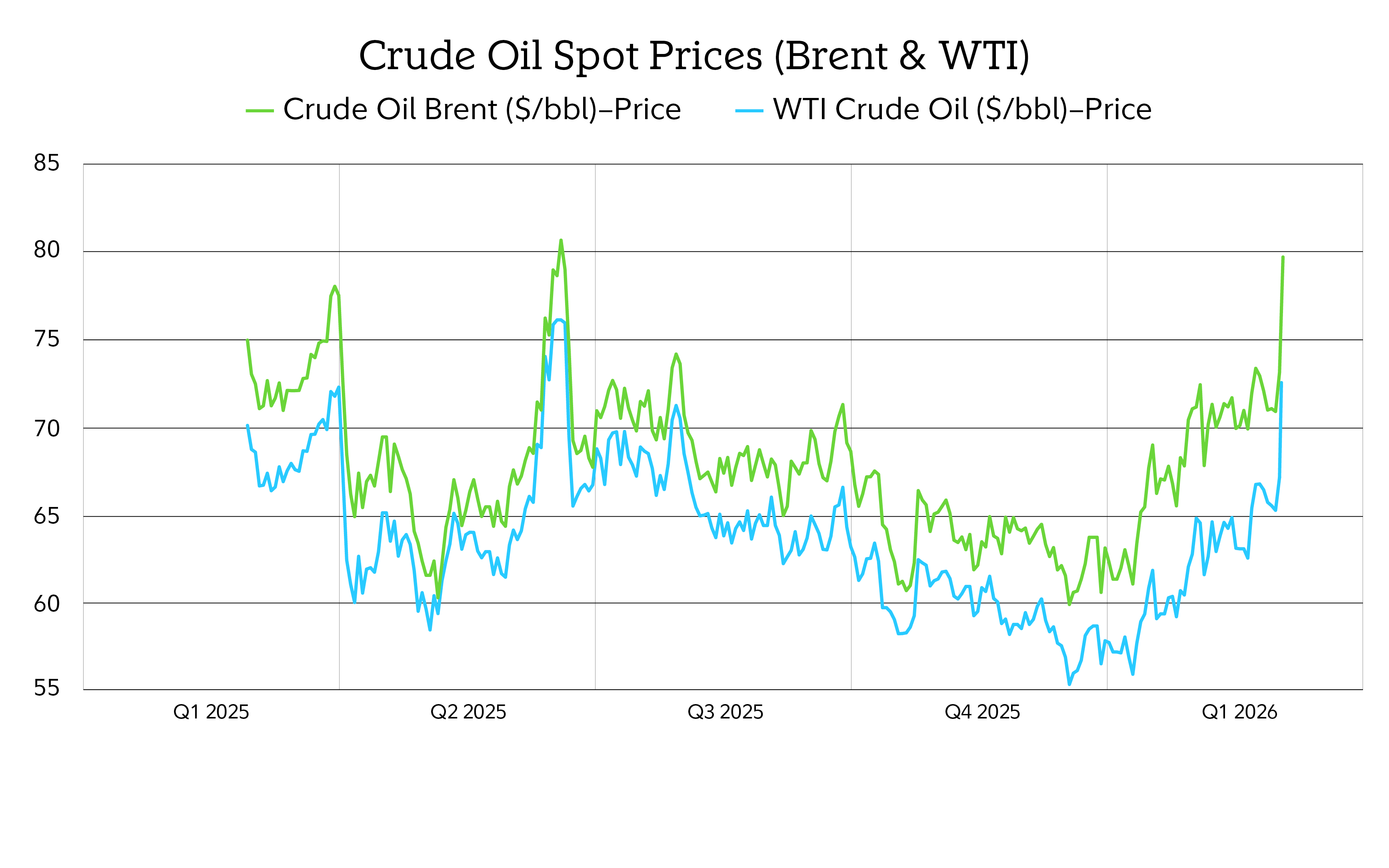
Oil prices surge after Iran conflict | Fidelity
- A broader regional map of strikes and responses shows explosions across Iran, with proxies in Lebanon (Hezbollah), Yemen, and elsewhere firing back.
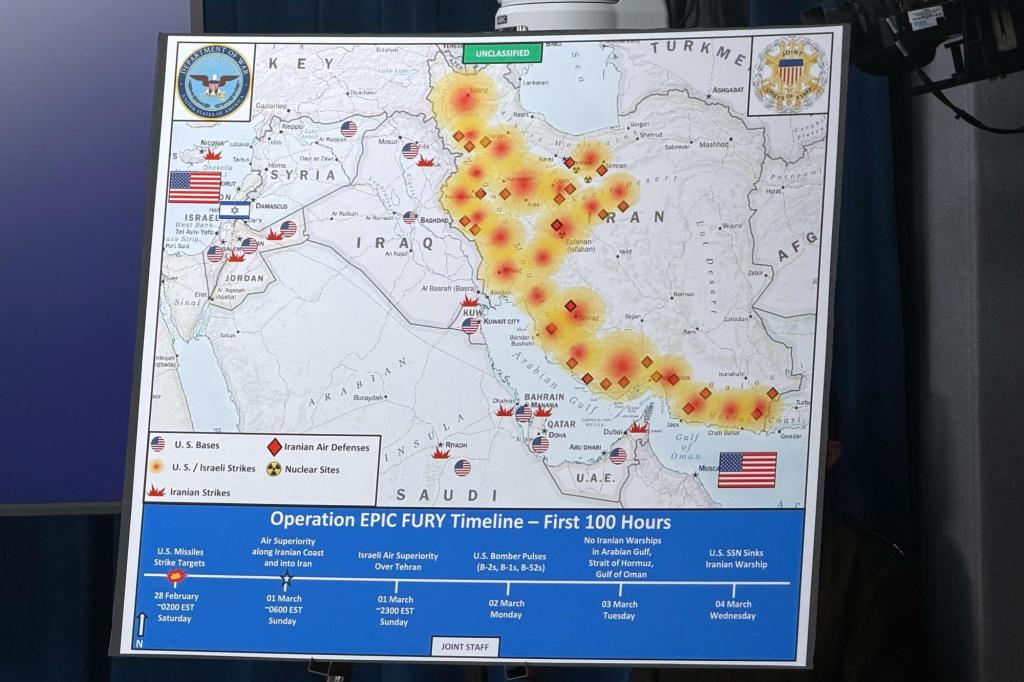
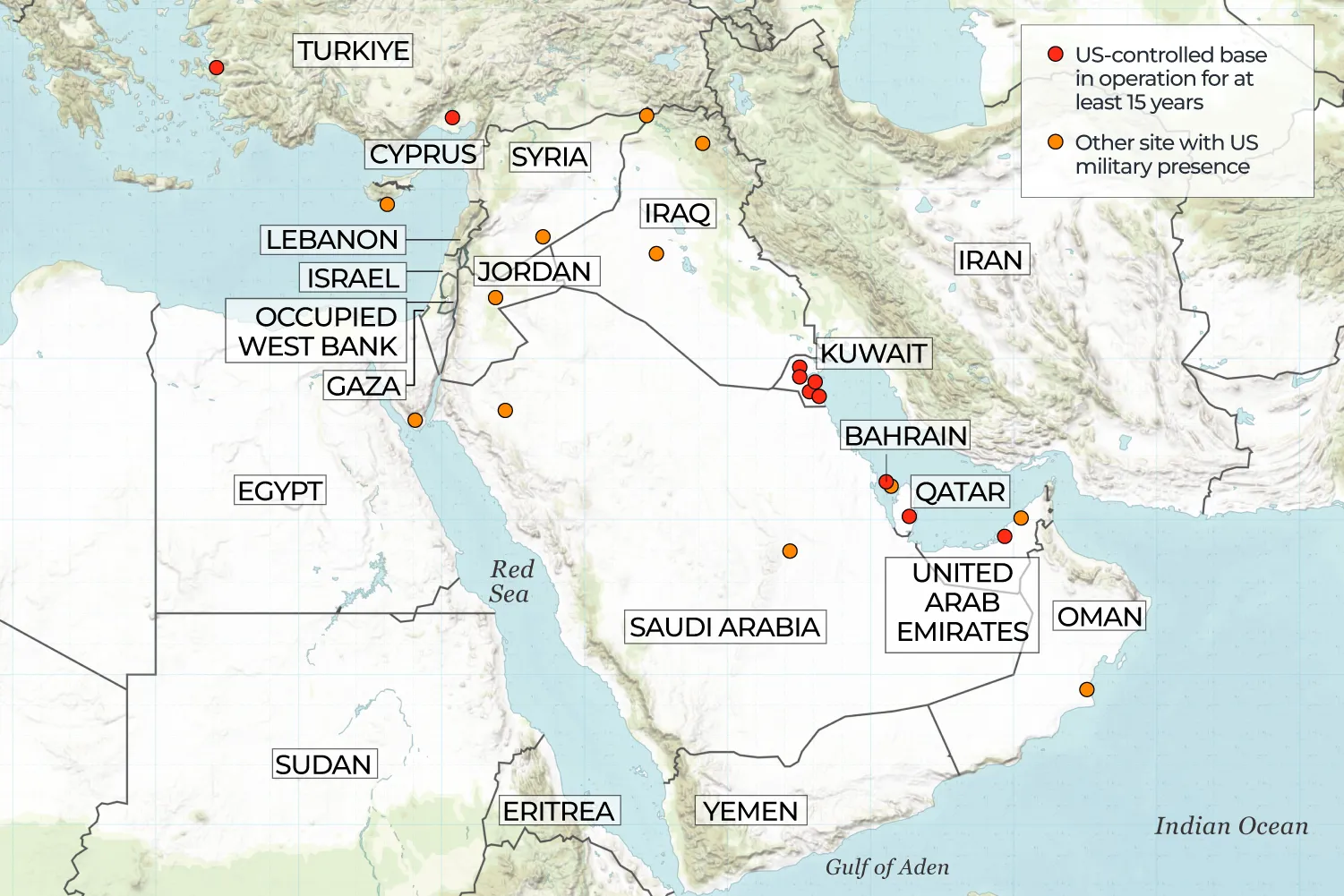
- US military presence and strike zones in the Middle East highlighted in maps.
Other big US stories right now (from CNN US):
- The Pentagon is confirming the first US casualties in the Iran conflict.
- Trump fires DHS Secretary Kristi Noem amid scandals, nominates Sen. Markwayne Mullin as replacement.
- Domestic incidents like a mass shooting in Austin (a possible Iran-related terror motive is being probed), a triple murder in Utah, and economic hits from the war (job uncertainty and stock drops).
- Polls show 59% of Americans disapprove of the Iran strikes, fearing a long-term war.
This is the number one trending topic across US media—it’s affecting everything from gas pumps to global security.