
On February 28, 2026, the United States and Israel initiated coordinated military strikes against Iran, marking a significant escalation in long-standing tensions over Iran’s nuclear program, missile capabilities, and regional influence. President Donald Trump announced the start of “major combat operations,” describing them as necessary to eliminate imminent threats from the Iranian regime.
Key Details of the Strikes
The operation, referred to by the US Department of Defense as Operation Epic Fury, involves aerial attacks targeting Iran’s military infrastructure, nuclear facilities, ballistic missile sites, and naval assets. Sources indicate the US plans for several days of ongoing strikes, differing from a shorter operation in June 2025.
Israel described its participation as a “preemptive strike” following months of joint planning with the US. Israeli strikes reportedly targeted high-level leadership sites, including areas near Supreme Leader Ayatollah Ali Khamenei’s compound in Tehran’s Pasteur district.
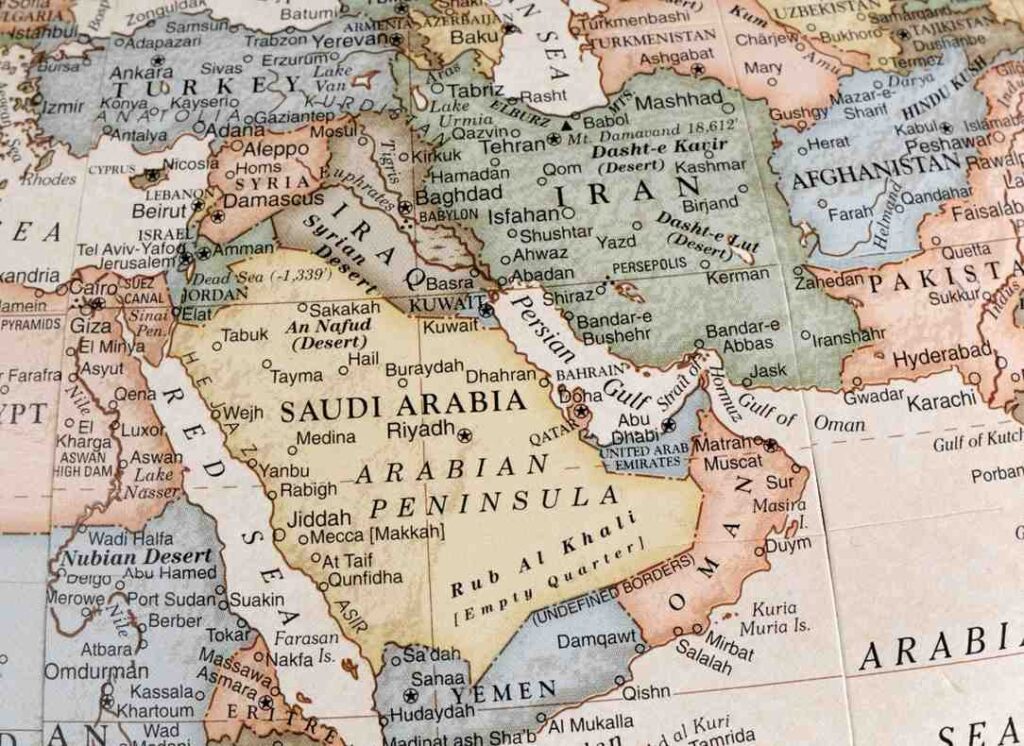
Explosions were reported in Tehran and other Iranian cities like Isfahan, Qom, Karaj, and Kermanshah early Saturday morning (local time), coinciding with the start of the workweek.
Trump’s Statement and Objectives
In an eight-minute video posted on Truth Social around 2:30 a.m. ET, President Trump accused Iran of rejecting diplomatic opportunities to abandon its nuclear ambitions and sponsoring terrorism across the region for decades. He stated:
“For 47 years the Iranian regime has chanted ‘death to America’ and waged an unending campaign of bloodshed and mass murder… We’re not going to put up with it any longer.”
Trump emphasized destroying Iran’s missiles, missile industry, and navy, while calling on the Islamic Revolutionary Guard Corps (IRGC) to surrender for immunity. He directly addressed the Iranian people, urging them to seize the moment to overthrow their government:
“When we are finished, take over your government. It will be yours to take… Now you have a president who is giving you what you want.”
Iran’s Retaliation
Iran responded swiftly with a large-scale wave of missile and drone strikes targeting Israel and US military bases across the Middle East. Blasts were reported in:
- United Arab Emirates (including Dubai areas)
- Qatar (Doha)
- Bahrain
- Israel
Air raid sirens sounded in Israel multiple times, with interceptions reported. The extent of damage and casualties remains unclear in initial reports, though Iranian state media claimed civilian impacts, including an alleged strike on a school.
This retaliation appears more aggressive than previous exchanges, possibly due to Iran’s efforts to use its arsenal before further degradation.
Broader Context
The strikes follow stalled negotiations (Oman-mediated talks showed “significant progress” shortly before the attacks) and historical US-Iran friction since 1979. Previous US-Israel actions in June targeted missile stockpiles, limiting Iran’s immediate response then.
This conflict risks drawing in more regional actors and could lead to a prolonged war, with implications for global energy markets, US troops in the Gulf, and stability across the Middle East.
The situation remains fluid, with ongoing developments expected. Stay tuned for updates from reliable sources as events unfold.