
📅 Date: September 20, 2026
📰 Source: CNN
📌 Topic: Trump administration, tariffs and working-class Americans
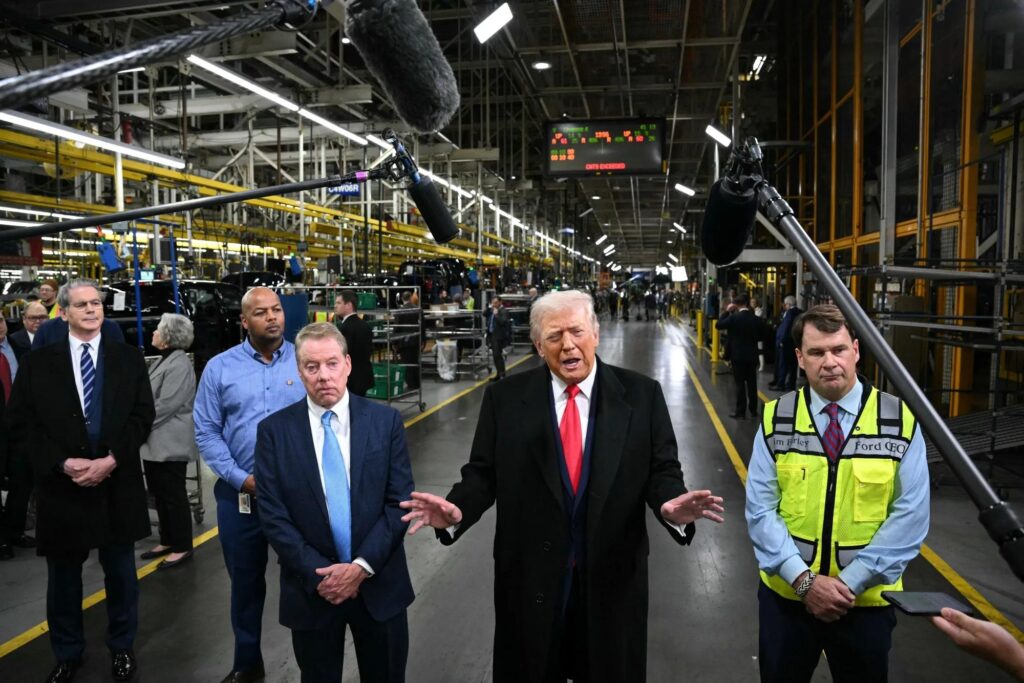
President Donald Trump’s tariff strategy is facing renewed scrutiny as the economic debate increasingly centers on how trade policy affects working-class Americans. Trump has long presented tariffs as a tool to protect American industries, encourage domestic production and strengthen the position of U.S. workers.
The debate has become more complicated as households continue to face elevated costs. Recent reporting has highlighted concerns over gasoline, groceries and other everyday expenses, while tariffs can add costs to imported goods and materials used by American businesses. The ultimate effect can vary significantly by industry and product.
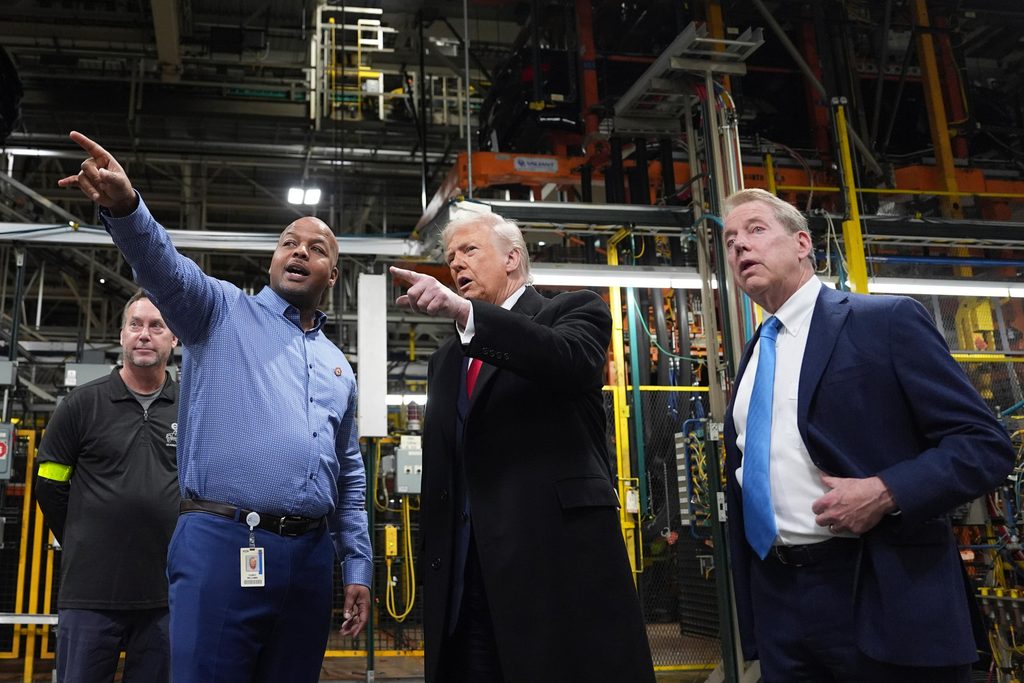
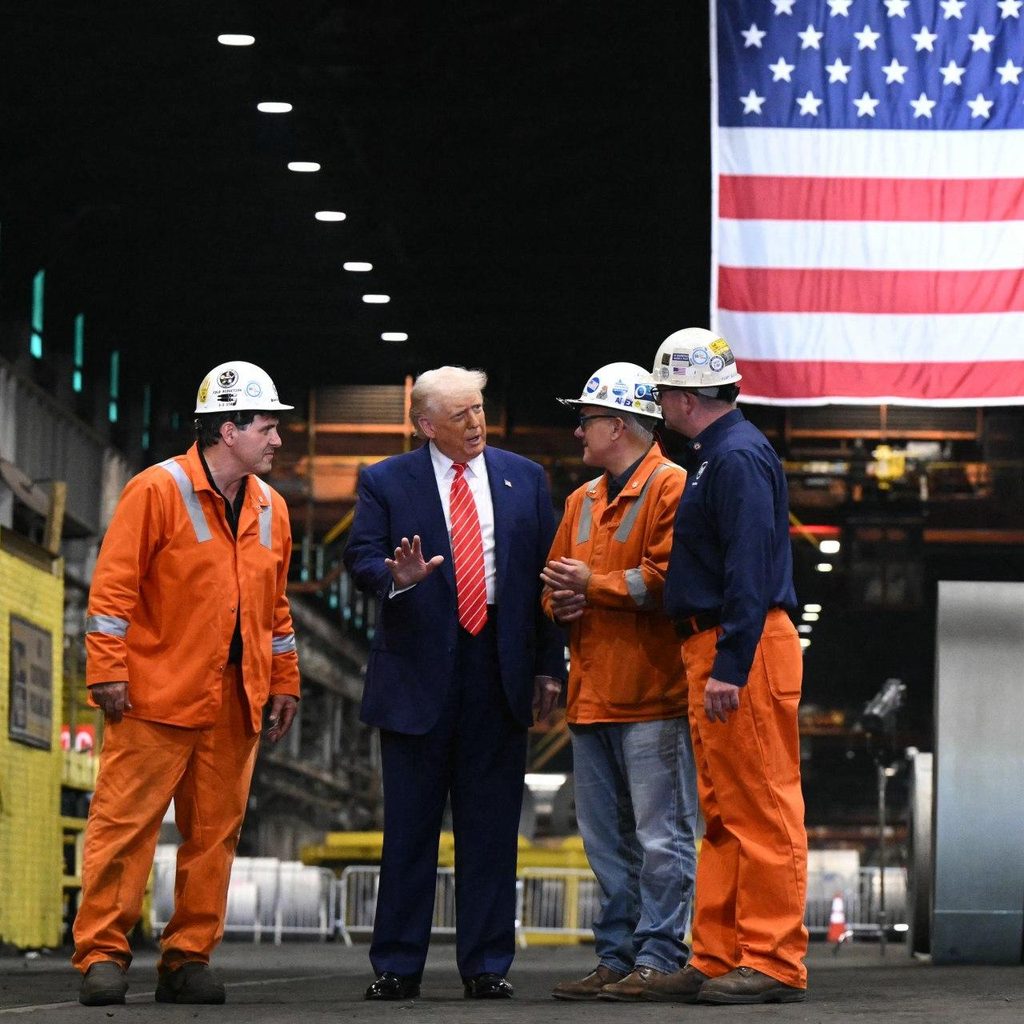
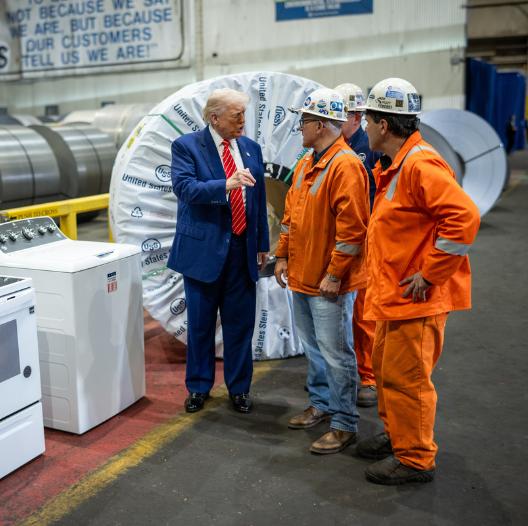
Trump and his administration have argued that tariffs can encourage companies to manufacture more goods in the United States and reduce reliance on foreign suppliers. Supporters of the policy have particularly emphasized industries such as steel, automobiles and other manufacturing sectors where competition from imports has been a longstanding political issue.
At the same time, economists and trade analysts have debated who ultimately bears the cost of tariffs. Import duties are collected from U.S. importers, and businesses can respond by absorbing some costs, passing them on to consumers or changing suppliers. The impact therefore depends on the specific product, industry and supply chain involved.
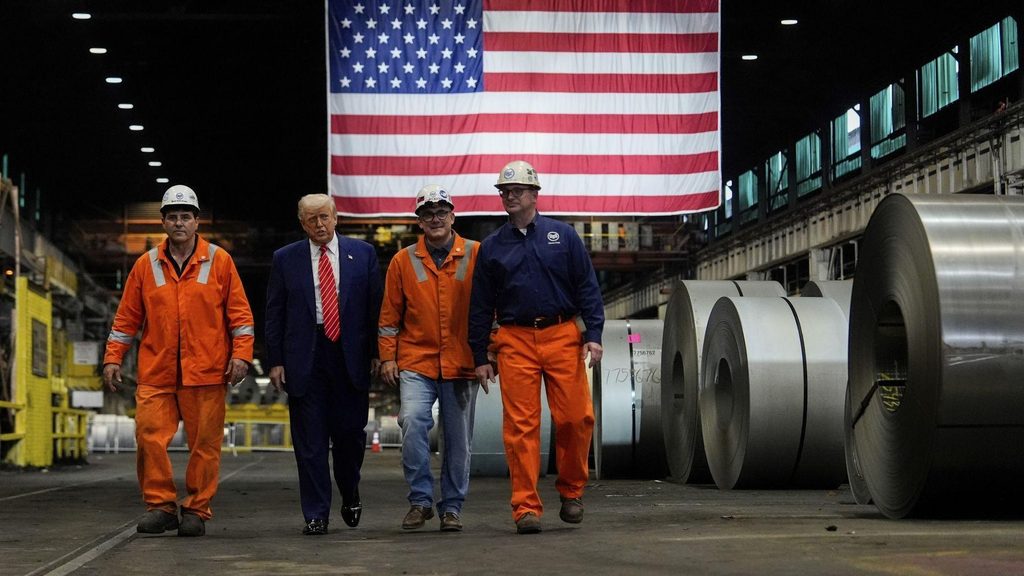
The issue is particularly significant for working-class voters, a group that has become an important part of Trump’s political coalition. Recent CNN analysis and polling discussions have pointed to growing sensitivity among white working-class voters to economic conditions and the administration’s handling of the economy.
Tariffs have also become an issue in the 2026 midterm political environment. Reuters reported that Republican candidates in northern states such as Michigan and Maine are navigating the effects of Trump’s trade dispute with Canada, where economic ties cross industries including automobiles, lumber and agricultural equipment.
The broader question surrounding Trump’s tariff policy is therefore not simply whether tariffs protect particular American industries. It is also how the benefits and costs are distributed among workers, businesses and consumers—and whether higher domestic production offsets any additional costs faced by households.
Hashtags
#DonaldTrump #Tariffs #USEconomy #AmericanWorkers #WorkingClass #TradePolicy #Manufacturing #USPolitics #CNN #News
Photo note: The images above are representative visuals related to Trump, American manufacturing and tariffs. Verify the individual image license/credit before commercial or republication use.
📅 Date: September 20, 2026
📰 Source: CNN
📌 Topic: Trump administration, tariffs and working-class Americans