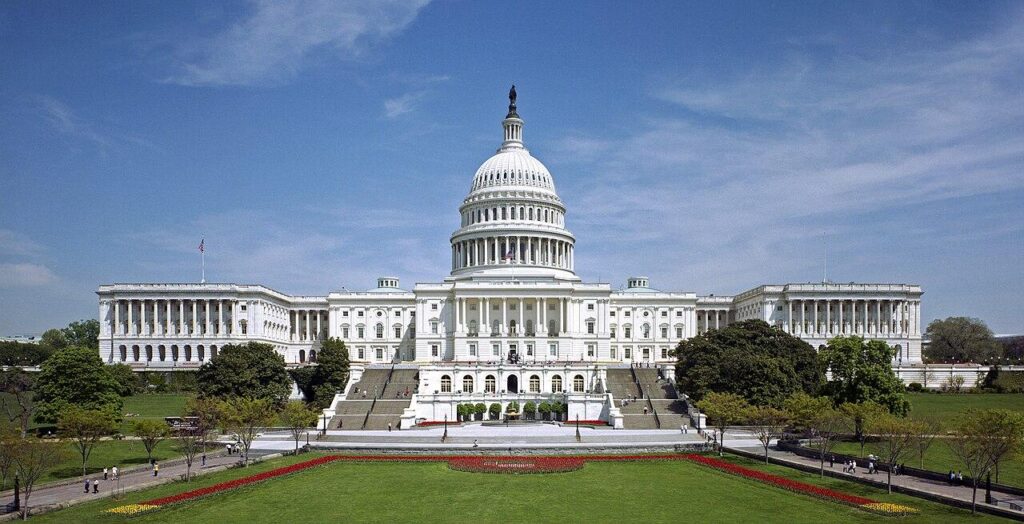

Washington, D.C. — November 7, 2026
The nationwide battle over congressional district boundaries became a major political issue ahead of the 2026 U.S. midterm elections. Republican-led states redrew several congressional maps in an effort to strengthen the party’s position in the House of Representatives, while Democratic-led states pursued countermeasures.
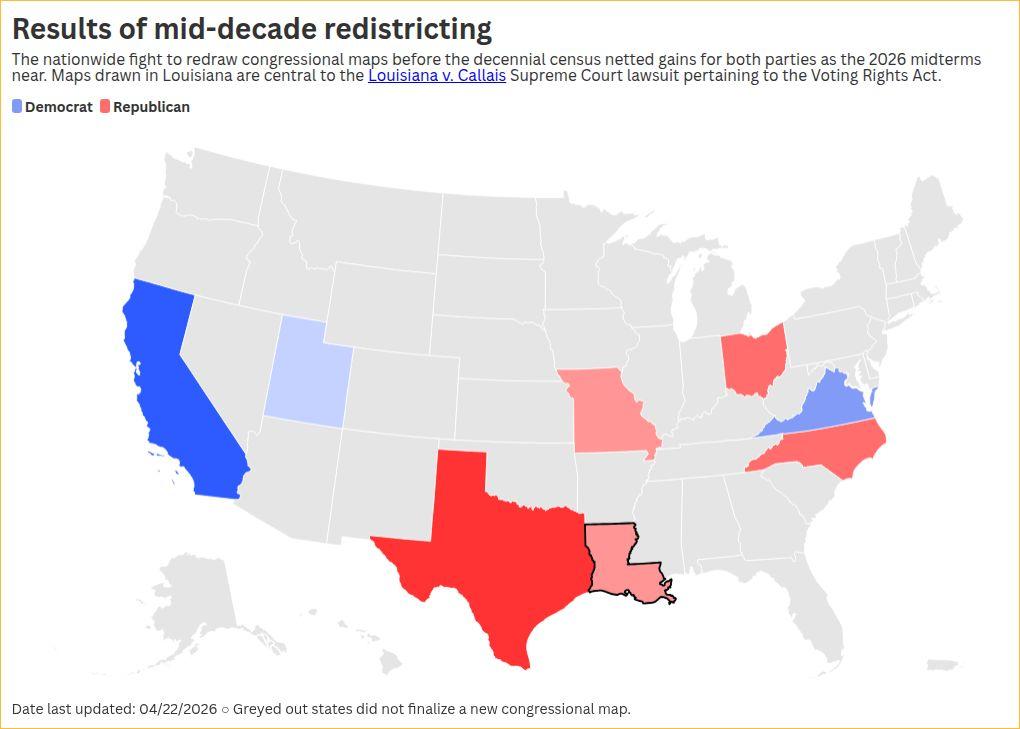
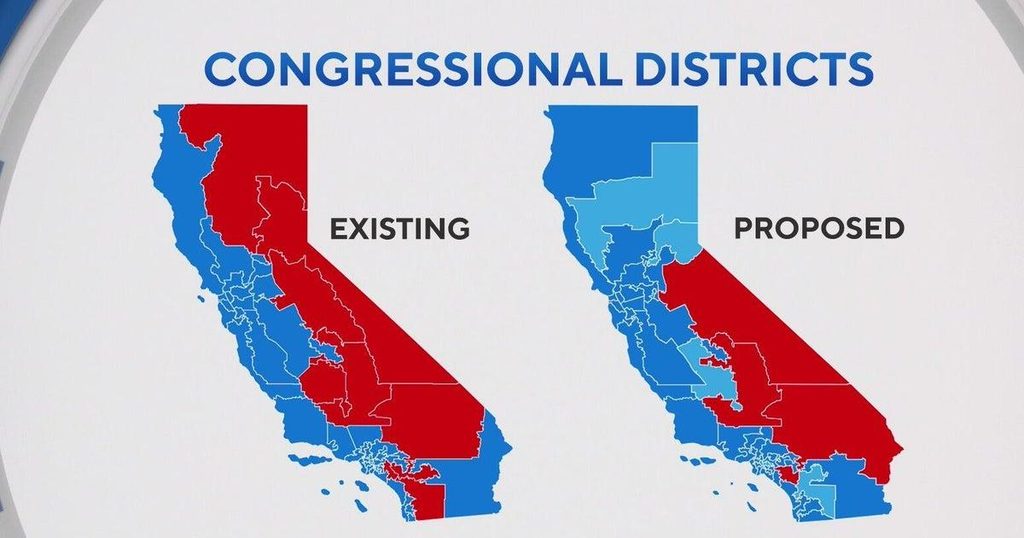
The effort was encouraged by President Donald Trump, who urged Republican officials to redraw congressional districts before the midterms. Texas became the first state to adopt a new map following that push in 2025. California later approved a new congressional map intended to counter potential Republican gains.
According to CNN’s redistricting tracker, Republicans initially appeared to gain an advantage in the national redistricting fight. Several Republican-led states adopted new maps, while legal challenges and political disagreements complicated the process in other states.
Nine states used new congressional maps
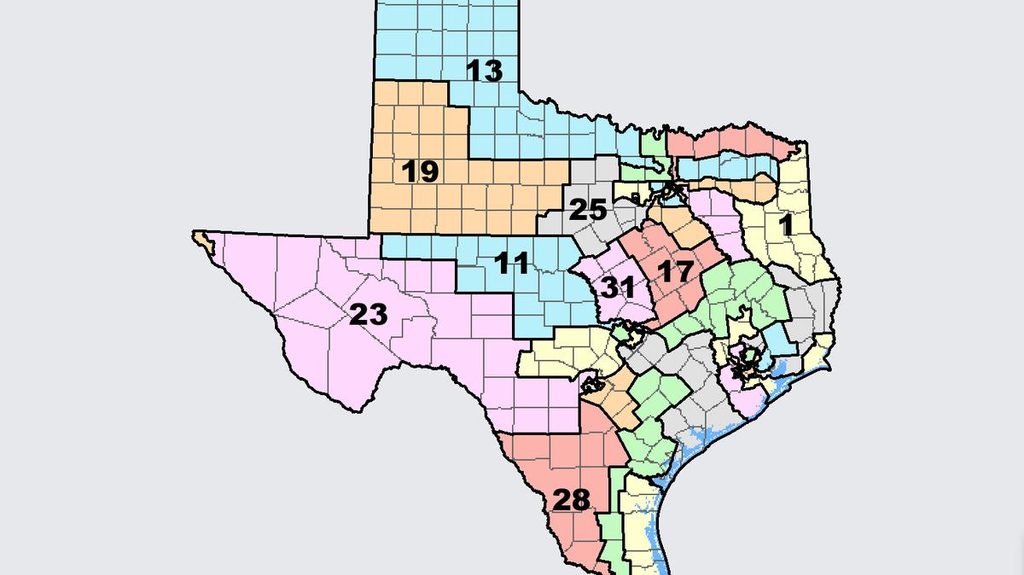
Nine states held their 2026 congressional elections under new House district boundaries. The changes affected the political landscape in states including Texas, California, Florida, North Carolina, Alabama, Louisiana, Tennessee, Ohio and Missouri.
The maps created new competitive districts and changed the political composition of several existing ones. However, not every redrawn district produced the result its designers expected.
Democrats overcame several Republican map advantages
Election results showed that Republican efforts to gain seats through redistricting did not translate into the expected victories in several key states.
In Texas, Democrats held four of the five seats Republicans had targeted through redistricting. In California, Democrats won all five Republican-targeted seats under the state’s new map.
North Carolina also saw significant Democratic gains, with Democrats flipping five Republican-held seats. In Florida, Democratic candidates held several seats that Republicans had hoped to capture.
These results demonstrated that changing district boundaries does not guarantee an election victory. Voter preferences, turnout and the political environment can still shape the outcome.
Court decisions affected the redistricting battle
Legal challenges played an important role in determining which maps could be used. Missouri’s Republican-backed congressional map was blocked, and the state used its previous map for the November election. Virginia’s highest court also invalidated a Democratic-backed redistricting plan.
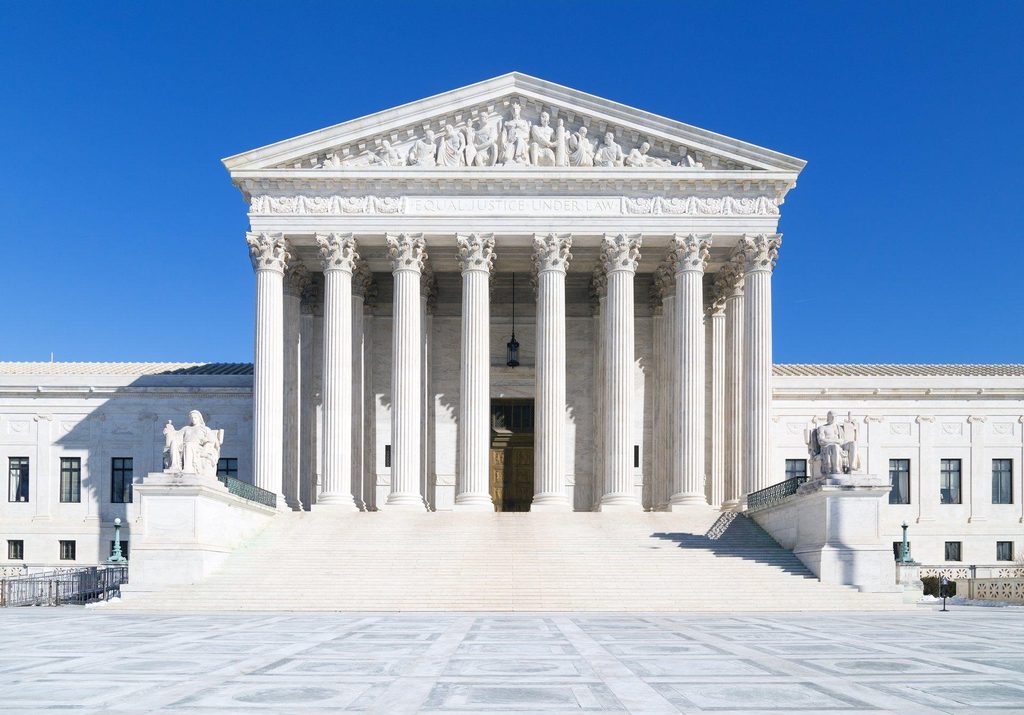
The Supreme Court’s decision in Louisiana v. Callais also affected the legal debate over congressional maps and the Voting Rights Act, prompting further changes and challenges in several states.
What happens next?
The 2026 results may influence future redistricting efforts as both parties consider how congressional boundaries could affect the 2028 elections.
The larger lesson from the midterms is that congressional maps can shape the electoral battlefield, but they cannot guarantee which party voters will support.
Sources: CNN’s congressional redistricting tracker; Associated Press; Roll Call.
Original CNN article: https://edition.cnn.com/politics/redistricting-midterms-republicans-congressional-maps-vis
Washington, D.C. — November 7, 2026