
Immigration officers entered a Columbia University home early in the morning, took a student away, and later let her go—sparking big questions about rules, warrants, and safety on college campuses.
What Happened in Simple Words
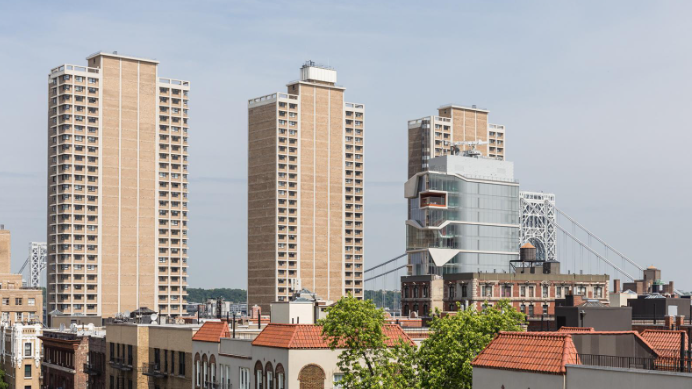
Early Thursday morning, at about 6:30 a.m., federal immigration agents from the Department of Homeland Security (known as DHS) entered an apartment building owned by a university in New York City. They arrested a Columbia University student, Elmina “Ellie” Aghayeva.
They released Ellie later that same day, after the university and city leaders spoke out. She is now safely at home, but still must face immigration court. Why this story matters: It’s not just an unusual subject,t but one that highlights growing tension: Can immigration agents go into student homes without special papers signed by a judge? And did they con their way in?
The university says yes, they pulled a fast one. The government says no—they played by the rules. There are two sides to what happened, and this case has many people speaking out about fairness andstudents’e safets.
The Central Event: Who Is It, What Is It, Where Is It, and When
Ellie Aghayeva is a senior at Columbia University. She studies the brain—neuroscience—and political science, or how governments work. She’s an international student from Azerbaijan.
On Thursday morning, federal agents entered her university-owned apartment building in New York. They took her away. The agents deceived the building manager by telling him they were searching for a “missing person,” the university says. Cameras in the building even captured the agents displaying photographs of a child they claimed to be missing.
Ellie was briefly detained for several hours. Then she was let go. According to the government agency (DHS), she is now in “removal proceedings.” That simply means she will be taken to an immigration court, where it will be decided if she can remain in the United States. She is at liberty pending her hearing.
—arrest. All of this took place in rapid succession — arrest early in the day, release later the same day—after New York’s mayor spoke directly to President Donald Trump.
Why It Matters: The Big Picture
This is not just about one student. It raises important questions about warrants, campus safety, and immigration rules at universities.
A warrant is like official permission from a judge. The university says agents need a special judicial warrant (from a real judge) to enter private student housing. They say an administrative warrant (just from the immigration office) is not enough.
DHS says their agents were polite, showed badges, and got permission from the building manager and Ellie’s roommate. This case shows how immigration enforcement is getting stricter, and universities are pushing back to protect their students. Many people worry that it could scare international students away from studying in America.
What Happened Step by Step (Easy Timeline)
Here is exactly what we know in order:
- Around 6:30 a.m. Thursday: DHS agents (including ICE—Immigration and Customs Enforcement) enter the university-owned residence. They tell the building manager they are looking for a missing person. They go to Ellie’s apartment and take her into custody. Columbia Acting President Claire Shipman said this was “frightening and fast-moving” and “utterly unacceptable.”
- Same morning: University security cameras record the agents in the hallway showing pictures tied to the “missing child/person” story.
- Morning on Instagram: Ellie posts a story on her Instagram (she has more than 100,000 followers). It shows just her legs in a car and says, “DHS illegally arrested me. Please help.” The post is later deleted after she is free.
- Later that day, New York City Mayor Zohran Mamdani meets with President Trump in Washington. He asks for Ellie’s release. Trump tells the mayor she will be freed “imminently” (very soon).
- Afternoon: Ellie posts again on Instagram: “I am safe and okay… I am in complete shock… please don’t worry.” Columbia says it is “relieved and thrilled” and is helping her family and lawyers.
- Same day: Ellie is released while she waits for her immigration court hearing.
Columbia’s Side vs. DHS’s Side
Columbia University’s position (what the university says):
Acting President Claire Shipman said the agents made misrepresentations to gain entry to the building to search for a ‘missing person.’ She said that they went in “without any kind of warrant. Columbia argues that all police (including DHS and ICE) must obey the rules. For private places such as dorms, they require a judicial warrant or subpoena from a judge, not just an office paper. When agents arrive, do not let them in right away, Shipman told students. To get university lawyers involved, call Public Safety first.
DHS’s position (what the government says):
DHS confirmed ICE arrested Ellie because her student visa ended in 2016 (during President Obama’s time) for not going to classes. They say she had no other applications pending. A spokesperson named Tricia McLaughlin said, “The building manager and her roommate let officers into the apartment.” Agents “verbally identified themselves and visibly wore badges around their necks.” They added they “did NOT and would not identify themselves as NYPD.” DHS denies tricking anyone about a missing person in their official reply.
Both sides agree Ellie is now free pending her court date.
Who Is Ellie Aghayeva?
Ellie is a senior at Columbia. She is an international student from Azerbaijan. She studies hard—neuroscience and political science—and shares her study routines and daily life on social media. She has over 100,000 followers on Instagram.
This is the only personal information reported about her. The university is now helping her get legal support and contacting her family.
What Others Are Saying: Reactions From Leaders and Campus
Officials first:
Governor Kathy Hochul of New York said, “Let’s be clear about what happened: ICE agents did not have the appropriate warrant, so they lied to gain access to a private student residence.” She even wants new laws prohibiting ICE from entering schools and dorms without a warrant.
Zohran Mamdani, the mayor of New York City, brought Ellie’s case to President Trump himself. He continued, “I raised my concerns about Columbia student Elmina Aghayeva, who was detained by ICE this morning.” Trump promised that she would be released soon.
Members of Congress also weighed in. Representative Jerry Nadler and Assemblymember Micah Lasher said they were “disgusted and outraged.” Rep. Adriano Espaillat, a New York Democrat, said students should not have to “fear for their safety in their dorm rooms” and urged Columbia to implement further protections.
Campus and community:
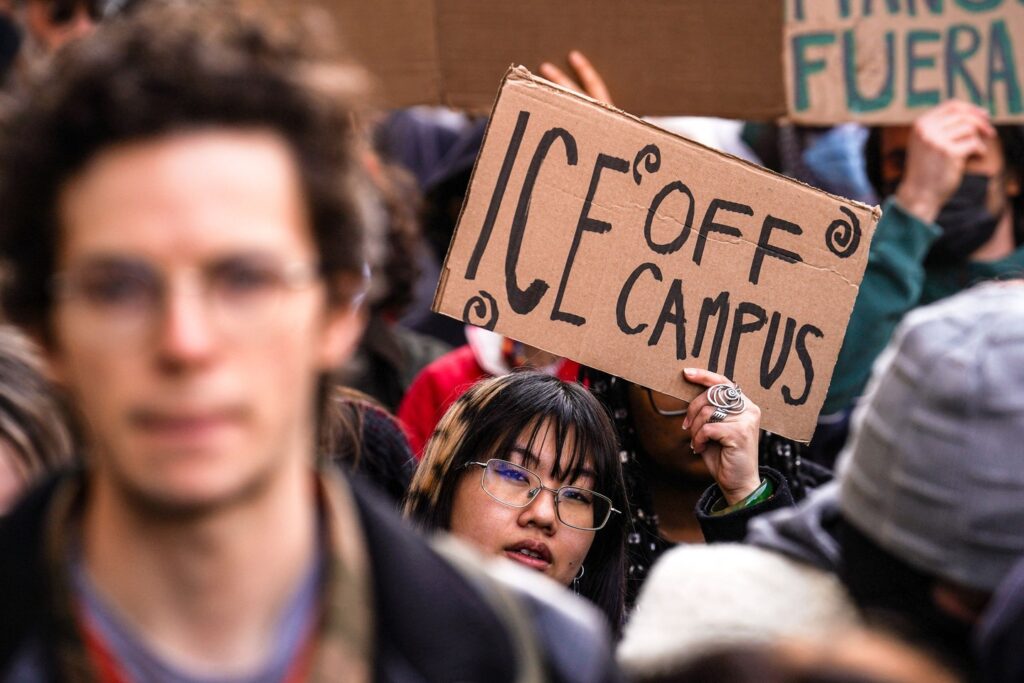
Hundreds of students, teachers, and neighbors held an emergency rally outside Columbia. They carried signs like “Hands Off Our Students” and “ICE Off Campus.” People chanted for safety and against what they called unfair arrests. Columbia put extra public safety patrols around dorms right away to make everyone feel safer.
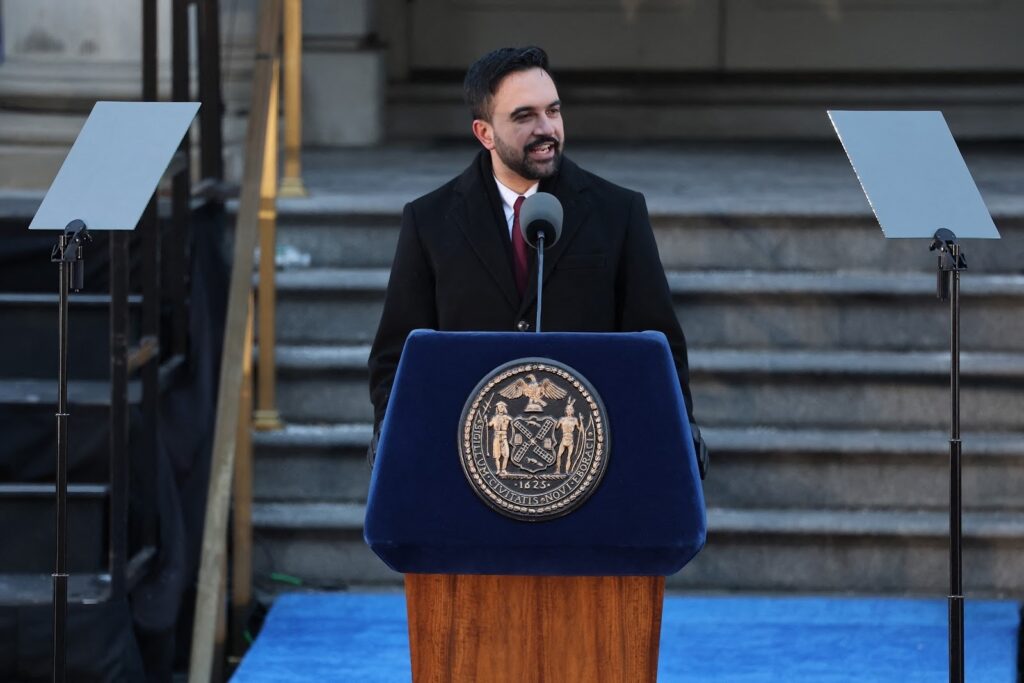
Transcript: New York City Mayor Zohran Mamdani delivers inaugural address – ABC News
What “Removal Proceedings” Means (Easy Explanation)
DHS says Ellie was placed in removal proceedings.
This is like going to a special immigration court. A judge will listen to both sides and decide: Can Ellie stay in the United States, or does she have to leave?
She is not in jail. She is free at home while she waits for her court date. Many people in this situation get a chance to explain their side and sometimes stay legally.
What Columbia University Is Doing Now
Columbia’s Acting President Claire Shipman said the university expects every law enforcement group to follow the rules. They want judicial warrants for private spaces.
New steps announced:
• Extra public safety officers patrolling residential buildings.
• Advice to students: Do not open the door to agents alone. Call Public Safety immediately.
• The university is helping Ellie with lawyers and checking in with her family.
Shipman promised to keep the whole campus updated.
Wider Context: This Is Not the First Time
This arrest comes almost one year after another Columbia student, Mahmoud Khalil, was taken by ICE in March 2025. He was held for more than 100 days. Another student, Ranjani Srinivasan, was also detained around the same time.
These cases are part of bigger immigration actions at Columbia under the current rules. The university says it wants to protect all students, no matter where they are from.
What Happens Next?
We still have questions:
• When will Ellie’s immigration hearing be?
• Will Columbia change how it handles visits from federal agents?
• Will DHS give more details about why they came and why she was released so fast?
The university, the city, and many leaders are watching closely. They want clear rules so students can feel safe while they study.
This story is still developing. Columbia and DHS may share more information soon.
Sidebar: Quick Explainer—Judicial Warrant vs. Administrative Warrant
• Judicial warrant = Signed by a real judge after looking at facts. Harder to get.
• Administrative warrant: From the immigration office itself. Easier, but universities say it is not enough for private dorms.
Columbia says only the judge-signed one should open student doors.
Key Quotes
Columbia’s Claire Shipman: All law enforcement agencies are obligated to follow established legal and ethical standards.
DHS spokesperson: Agents verbally identified themselves and visibly wore badges.
(Information based on reporting from CNN by Alaa Elassar, February 26, 2026, and Columbia University’s official statement.)