
Date: September 19, 2026
Source: CNN
Topic: Houthis, Saudi Arabia, Iran, Red Sea, Middle East Conflict
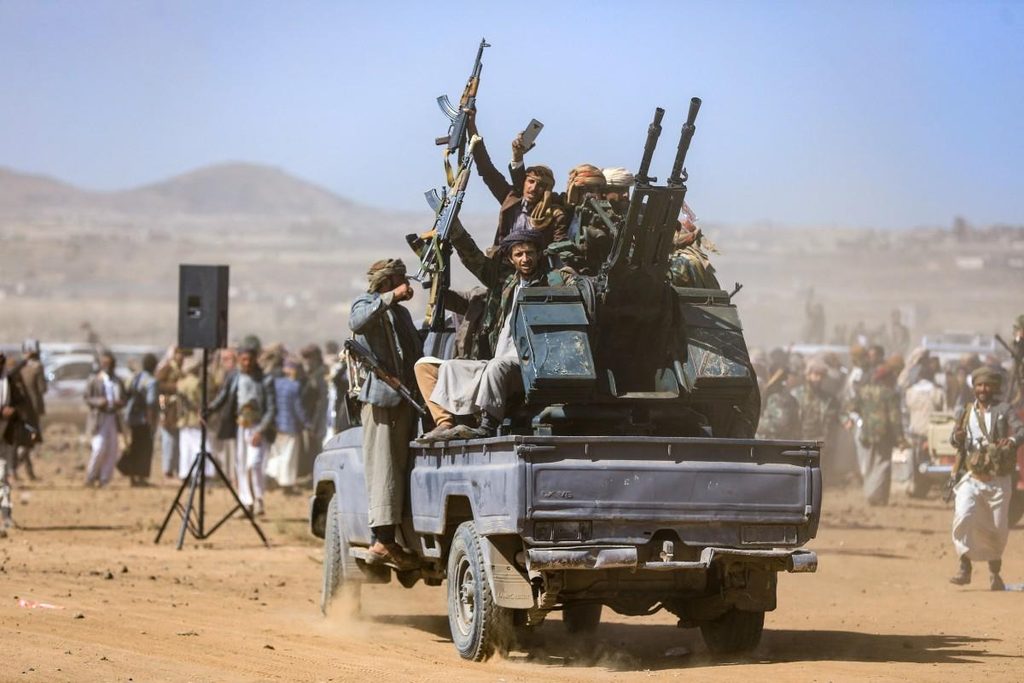
The rapid advance of Iran-backed Houthi forces in Yemen is creating growing concern among US and Gulf officials as the group expands its presence near the strategically important Bab el-Mandeb Strait. The developments are adding another layer to a wider Middle East conflict and increasing pressure on global energy and shipping routes.
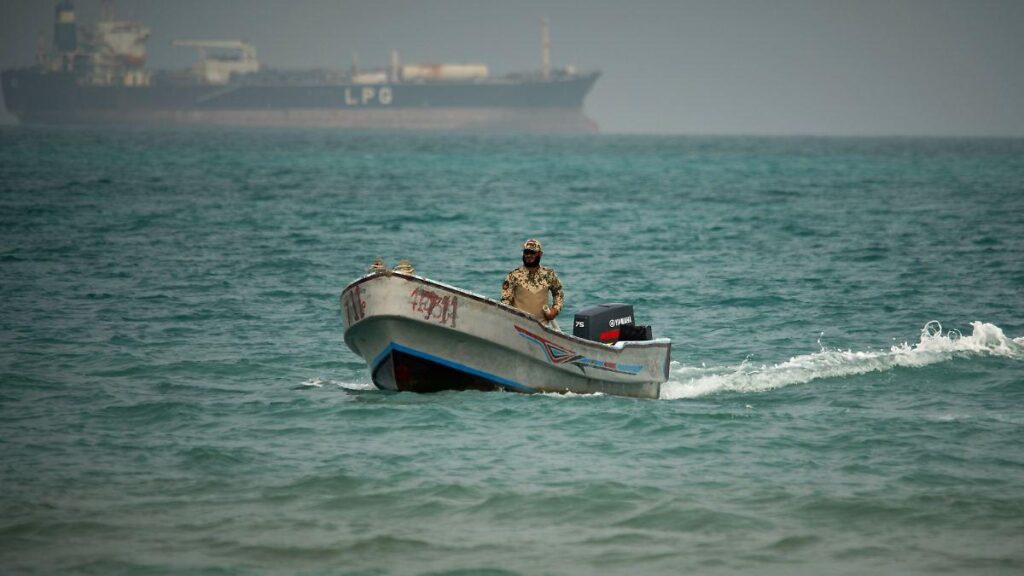
The Houthis have recently captured strategically important positions along Yemen’s Red Sea coast, including Perim Island, which sits near the entrance to the Bab el-Mandeb. The waterway connects the Red Sea with the Gulf of Aden and is an important route for international commercial shipping.
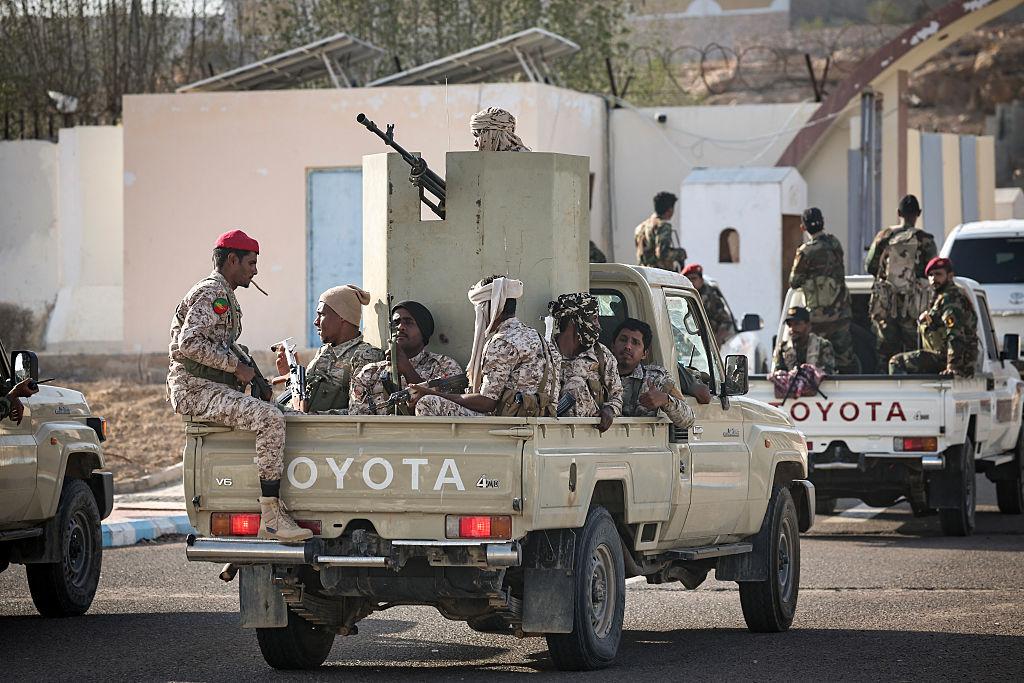
Saudi Arabia has been supporting Yemen’s internationally recognized government forces in their long-running conflict with the Houthis. However, those forces have struggled to stop the Houthi advance. CNN reported that Saudi Arabia has received increased US intelligence and targeting support, but Washington has so far resisted directly conducting offensive strikes against the group.
Saudi Crown Prince Mohammed bin Salman has spoken with President Donald Trump and asked for US military strikes against the Houthis, according to sources cited by CNN. The Trump administration has so far declined that request, with a US official saying Washington is focused on protecting core national-security interests, including freedom of navigation, while allowing regional partners to take the lead.
The situation has also complicated relations between Saudi Arabia and Iran. A planned meeting between Gulf Cooperation Council countries and Iran was postponed earlier this month amid concerns over the Houthi attacks and negotiations concerning the Strait of Hormuz. Regional sources told CNN that Saudi officials see the Houthi offensive as closely connected to the broader conflict with Iran.
Iran’s relationship with the Houthis is another major factor. US and regional officials say the group receives support and training from Iran’s Islamic Revolutionary Guard Corps, although analysts cited by CNN emphasize that the Houthis are not simply controlled remotely by Tehran. The group has its own objectives and military decision-making.
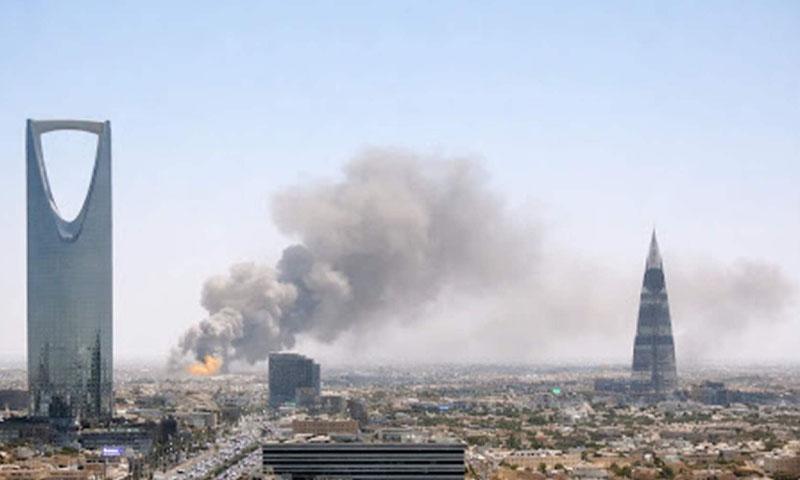
The Houthi advance is also putting additional pressure on energy markets. Saudi Arabia has faced attacks and threats involving energy infrastructure and shipping routes, while disruption around both the Red Sea and Strait of Hormuz has raised concerns about global oil supplies. Reuters reported Saturday that the Houthis claimed attacks on targets in Saudi Arabia, including areas near Riyadh and an Aramco facility in Yanbu.
US and Gulf officials quoted by CNN remain uncertain about how the Houthi advance can be reversed militarily. The group has survived years of Saudi-led military pressure and a previous US bombing campaign, while Saudi-backed Yemeni forces have struggled to maintain their positions. Some regional officials have therefore questioned whether military action alone can resolve the conflict.
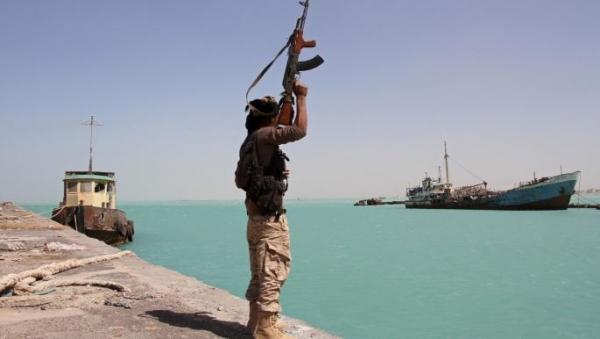
As fighting expands around another major global shipping corridor, the United States, Saudi Arabia, Iran and the Houthis face competing pressures over security, energy supplies and regional negotiations. The developments could also affect efforts to manage the wider conflict involving Iran and the Strait of Hormuz.
Hashtags:
#CNN #Houthis #Yemen #SaudiArabia #Iran #MiddleEast #RedSea #BabElMandeb #StraitOfHormuz #DonaldTrump #Geopolitics #WorldNews #BreakingNews
Date: September 19, 2026
Source: CNN
Topic: Houthis, Saudi Arabia, Iran, Red Sea, Middle East Conflict